
Production Machine Operators

Overview

Production machine operators set up and run specialized machines that cut and slice all kinds of materials, from food and paper to glass and stone. You'll use computer controls and precision tools to adjust machine settings, monitor quality by measuring products with rulers and scales, and keep detailed records of what you produce. This hands-on job combines technical skills with problem-solving as you read blueprints, troubleshoot issues, and ensure everything meets exact specifications. Many operators work in modern facilities with advanced automated equipment and collaborate with engineering teams to optimize production processes.
Production Machine Operators

Did you know?

Machine cutting technicians must adhere to strict OSHA safety standards and workplace regulations that are rigorously enforced in American manufacturing environments.

At a Glance

Median Wage

$45,109.79 Avg/yr

Growth

Stable

Top Skill

Complex Problem Solving

Key Responsibilities

  • Review work orders, blueprints, specifications, or job samples to determine components, settings, and adjustments for cutting and slicing machines.
  • Tighten pulleys or add abrasives to maintain cutting speeds.
  • Move stock or scrap to and from machines manually, or by using carts, handtrucks, or lift trucks.
  • Adjust machine controls to alter position, alignment, speed, or pressure.
  • Direct workers on cutting teams.
  • Cut stock manually to prepare for machine cutting, using tools such as knives, cleavers, handsaws, or hammers and chisels.
  • Feed stock into cutting machines, onto conveyors, or under cutting blades, by threading, guiding, pushing, or turning handwheels.
  • Sharpen cutting blades, knives, or saws, using files, bench grinders, or honing stones.
  • Remove completed materials or products from cutting or slicing machines, and stack or store them for additional processing.
  • Type instructions on computer keyboards, push buttons to activate computer programs, or manually set cutting guides, clamps, and knives.
  • Maintain production records, such as quantities, types, and dimensions of materials produced.
  • Clean and lubricate cutting machines, conveyors, blades, saws, or knives, using steam hoses, scrapers, brushes, or oil cans.
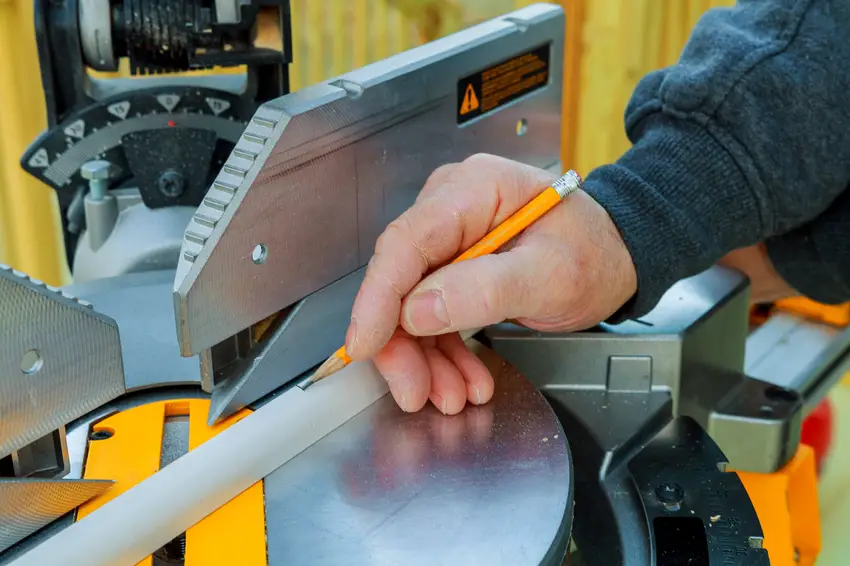
  • Mark cutting lines or identifying information on stock, using marking pencils, rulers, or scribes.
  • Set up, operate, or tend machines that cut or slice materials, such as glass, stone, cork, rubber, tobacco, food, paper, or insulating material.
  • Position stock along cutting lines, or against stops on beds of scoring or cutting machines.
  • Monitor operation of cutting or slicing machines to detect malfunctions or to determine whether supplies need replenishment.
  • Stack and sort cut material for packaging, further processing, or shipping, according to types and sizes of material.
  • Press buttons, pull levers, or depress pedals to start and operate cutting and slicing machines.
  • Start machines to verify setups, and make any necessary adjustments.
  • Select and install machine components, such as cutting blades, rollers, and templates, according to specifications, using hand tools.
  • Remove defective or substandard materials from machines, and readjust machine components so that products meet standards.
  • Examine, measure, and weigh materials or products to verify conformance to specifications, using measuring devices, such as rulers, micrometers, or scales.
  • Position width gauge blocks between blades, and level blades and insert wedges into frames to secure blades to frames.
  • Change or replace saw blades, cables, cutter heads, and grinding wheels, using hand tools.
  • Turn cranks or press buttons to activate winches that move cars under sawing cables or saw frames.

Career Considerations

Safety and Regulatory Compliance

Machine cutting technicians must adhere to strict OSHA safety standards and workplace regulations that are rigorously enforced in American manufacturing environments.

Technical Skills and Technology Adaptation

Staying current with evolving cutting technologies and automation systems is essential as American manufacturing increasingly integrates advanced machinery and digital controls.

Geographic Job Market Variability

Employment opportunities are concentrated in manufacturing regions like the Midwest and Southeast, with job availability influenced by economic cycles and domestic production trends.

Want to dig deeper?

Talk to blinky to learn more.

Start chatting
BETA
New York

25 Kent Ave, Suite 401
Brooklyn, NY
11249


North Carolina

204 N Person
Street. Raleigh, NC
27601

Australia

Level 4/80
Wentworth Ave,
Surry Hills,
Sydney, 2010