
Public Safety Telecommunicators

Overview

Public Safety Telecommunicators are the critical first responders who answer 911 emergency calls and coordinate help for people in crisis. They use advanced computer systems and communication technology to quickly assess emergencies, dispatch police, fire, or medical teams, and provide life-saving instructions over the phone. These professionals work in high-tech communication centers, collaborating with multiple agencies and monitoring emergency responders through GPS tracking and radio systems. The job requires strong communication skills, quick thinking under pressure, and the ability to multitask while potentially saving lives every day.
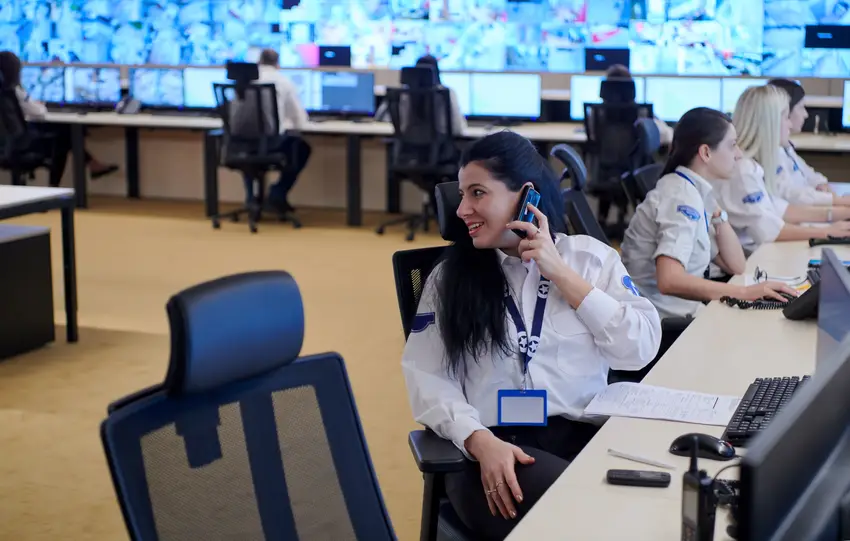
Public Safety Telecommunicators

Did you know?

Emergency dispatchers must handle life-threatening situations daily, requiring strong emotional resilience and stress management skills to make critical decisions under pressure.

At a Glance

Median Wage

$51,549.22 Avg/yr

Growth

Fast Growing

Top Skill

Critical Thinking

Key Responsibilities

  • Scan status charts and computer screens, and contact emergency response field units to determine emergency units available for dispatch.
  • Enter, update, and retrieve information from teletype networks and computerized data systems regarding such things as wanted persons, stolen property, vehicle registration, and stolen vehicles.
  • Observe alarm registers and scan maps to determine whether a specific emergency is in the dispatch service area.
  • Learn material and pass required tests for certification.
  • Receive incoming telephone or alarm system calls regarding emergency and non-emergency police and fire service, emergency ambulance service, information, and after-hours calls for departments within a city.
  • Question callers to determine their locations and the nature of their problems to determine type of response needed.
  • Maintain files of information relating to emergency calls, such as personnel rosters and emergency call-out and pager files.
  • Determine response requirements and relative priorities of situations, and dispatch units in accordance with established procedures.
  • Operate and maintain mobile dispatch vehicles and equipment.
  • Monitor alarm systems to detect emergencies, such as fires and illegal entry into establishments.
  • Read and effectively interpret small-scale maps and information from a computer screen to determine locations and provide directions.
  • Test and adjust communication and alarm systems, and report malfunctions to maintenance units.
  • Relay information and messages to and from emergency sites, to law enforcement agencies, and to all other individuals or groups requiring notification.
  • Record details of calls, dispatches, and messages.
  • Answer routine inquiries, and refer calls not requiring dispatches to appropriate departments and agencies.
  • Maintain access to, and security of, highly sensitive materials.
  • Provide emergency medical instructions to callers.
  • Monitor various radio frequencies, such as those used by public works departments, school security, and civil defense, to stay apprised of developing situations.

Career Considerations

High-Stress Environment

Emergency dispatchers must handle life-threatening situations daily, requiring strong emotional resilience and stress management skills to make critical decisions under pressure.

Irregular Work Schedule

Most dispatch centers operate 24/7, requiring dispatchers to work rotating shifts including nights, weekends, and holidays to ensure continuous emergency coverage.

Certification Requirements

Most states require completion of specialized training programs and ongoing certification in emergency medical dispatch, fire dispatch, or police dispatch protocols.

Want to dig deeper?

Talk to blinky to learn more.

Start chatting
BETA
New York

25 Kent Ave, Suite 401
Brooklyn, NY
11249


North Carolina

204 N Person
Street. Raleigh, NC
27601

Australia

Level 4/80
Wentworth Ave,
Surry Hills,
Sydney, 2010