Pump Operators
Pump operators control powerful pumps and systems that move liquids, gases, and other materials through pipelines in factories, refineries, and processing plants. You'll monitor digital gauges and computer systems to ensure proper flow rates and pressure levels, while communicating with your team via radios and digital systems to coordinate operations. The job involves hands-on maintenance of equipment, reading technical schedules, and planning the movement of products through complex pipeline networks. This role combines technical skills with teamwork and offers opportunities to work in industries like oil and gas, chemicals, water treatment, and manufacturing.
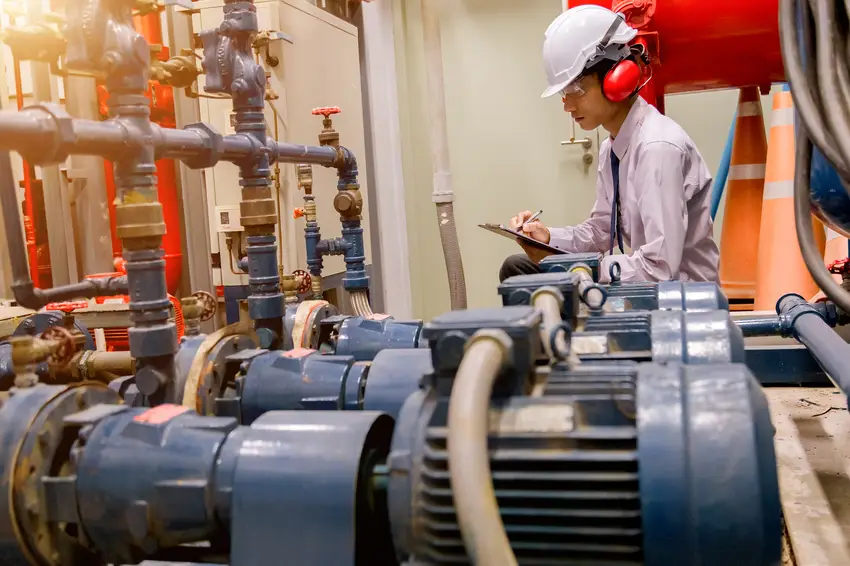
Did you know?
This role requires adherence to strict OSHA safety protocols and involves physical work in potentially hazardous industrial environments with heavy machinery.
At a glance
Typical average pay
$61,500 Avg/yr
Growth
Stable
Top skill
Operations Monitoring
Things to consider
Certification and Training Requirements
Most positions require specialized certifications such as water treatment operator licenses or industrial maintenance credentials that vary by state and industry.
Job Stability and Growth
Employment prospects are generally stable due to ongoing infrastructure maintenance needs, though automation may impact some traditional pump operator roles.
Key responsibilities
Read operating schedules or instructions or receive verbal orders to determine amounts to be pumped.
Communicate with other workers, using signals, radios, or telephones, to start and stop flows of materials or substances.
Clean, lubricate, and repair pumps and vessels, using hand tools and equipment.
Tend auxiliary equipment such as water treatment and refrigeration units, and heat exchangers.
Plan movement of products through lines to processing, storage, and shipping units, using knowledge of interconnections and capacities of pipelines, valve manifolds, pumps, and tankage.