Radiation Therapists
Overview
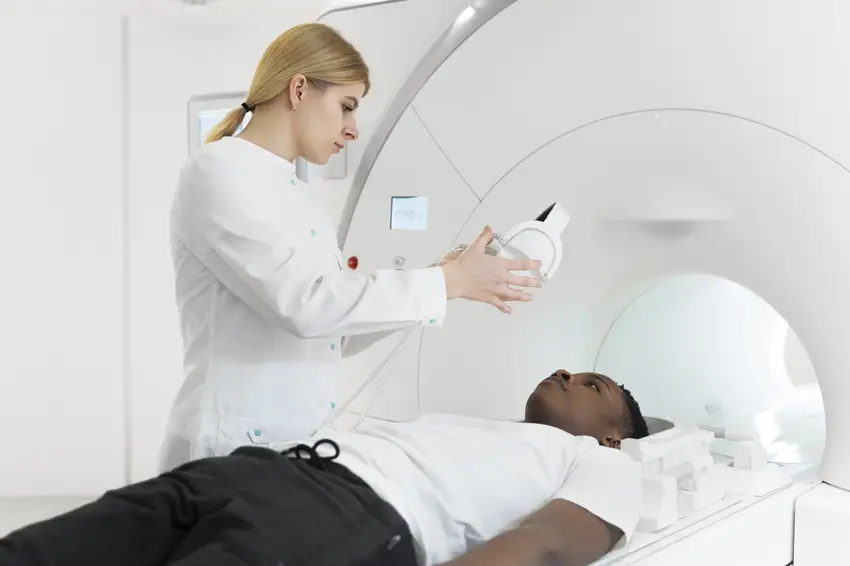
Radiation therapists work with cancer patients to deliver precise doses of radiation that help destroy cancer cells. They operate high-tech machines, explain treatment plans to patients and their families, and ensure everyone stays safe from radiation exposure. This job requires strong attention to detail, compassion for patients going through difficult treatments, and the ability to work with advanced computer-controlled equipment. Most radiation therapists complete a specialized 1-2 year certificate program and work closely with doctors, nurses, and other healthcare professionals in modern medical facilities.
Did you know?
Radiation therapists in the US typically need an associate degree from an accredited program and must pass the American Registry of Radiologic Technologists (ARRT) certification exam.
At a Glance
Median Wage
$100,145.11 Avg/yr
Growth
Stable
Top Skill
Social Perceptiveness
Key Responsibilities
- Position patients for treatment with accuracy, according to prescription.
- Provide assistance to other healthcare personnel during dosimetry procedures and tumor localization.
- Store, sterilize, or prepare the special applicators containing the radioactive substance implanted by the physician.
- Review prescription, diagnosis, patient chart, and identification.
- Train or supervise student or subordinate radiotherapy technologists.
- Photograph treated area of patient and process film.
- Implement appropriate follow-up care plans.
- Help physicians, radiation oncologists, or clinical physicists to prepare physical or technical aspects of radiation treatment plans, using information about patient condition and anatomy.
- Check for side effects, such as skin irritation, nausea, or hair loss to assess patients' reaction to treatment.
- Administer prescribed doses of radiation to specific body parts, using radiation therapy equipment according to established practices and standards.
- Assist in the preparation of sealed radioactive materials, such as cobalt, radium, cesium, or isotopes, for use in radiation treatments.
- Act as liaison with physicist and supportive care personnel.
- Observe and reassure patients during treatment and report unusual reactions to physician or turn equipment off if unexpected adverse reactions occur.
- Prepare or construct equipment, such as immobilization, treatment, or protection devices.
- Calculate actual treatment dosages delivered during each session.
- Educate, prepare, and reassure patients and their families by answering questions, providing physical assistance, and reinforcing physicians' advice regarding treatment reactions or post-treatment care.
- Follow principles of radiation protection for patient, self, and others.
- Conduct most treatment sessions independently, in accordance with the long-term treatment plan and under the general direction of the patient's physician.
- Schedule patients for treatment times.
- Check radiation therapy equipment to ensure proper operation.
- Enter data into computer and set controls to operate or adjust equipment or regulate dosage.
- Maintain records, reports, or files as required, including such information as radiation dosages, equipment settings, or patients' reactions.
Career Considerations
Educational and Certification Requirements
Radiation therapists in the US typically need an associate degree from an accredited program and must pass the American Registry of Radiologic Technologists (ARRT) certification exam.
Emotional Resilience
Working closely with cancer patients requires strong emotional stability and the ability to provide compassionate care while maintaining professional boundaries.
Technology Proficiency
The role demands continuous learning to keep up with rapidly advancing radiation therapy equipment and treatment planning software used in American healthcare facilities.