Radio Hosts
Overview
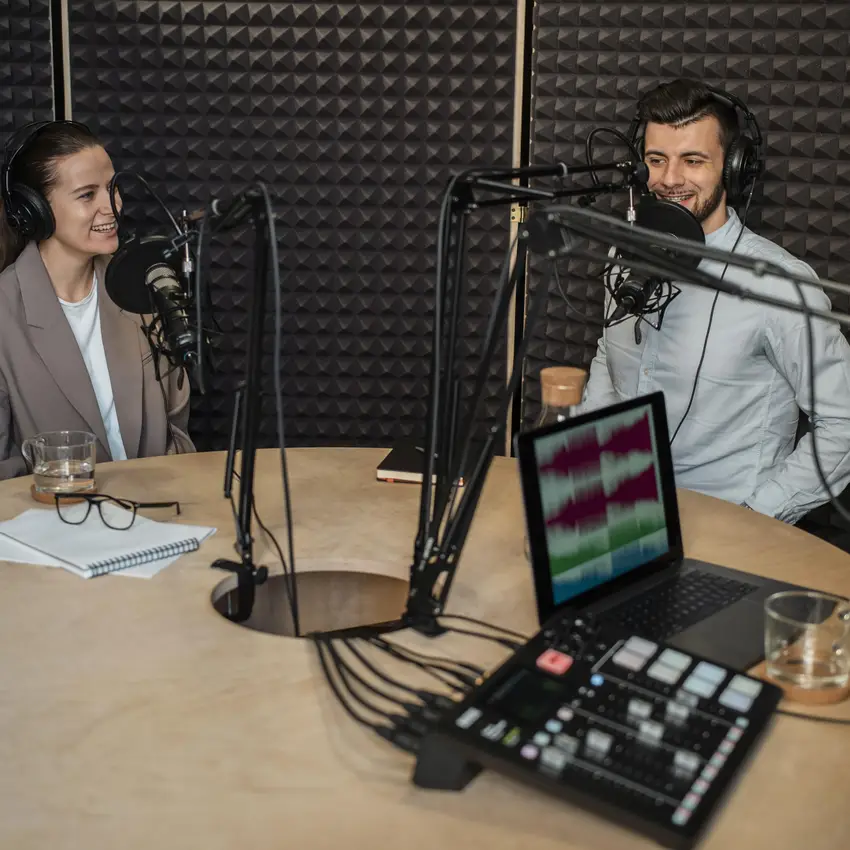
Radio hosts entertain and inform audiences by playing music, sharing news, and interviewing interesting guests on radio shows or at live events. They research topics, write scripts, and use digital audio equipment and streaming technology to create engaging content that connects with listeners. Many hosts also select their own music playlists, provide live commentary at concerts or parties, and make appearances at community events. This career combines creativity with communication skills and often involves working flexible hours in collaborative studio environments.
Did you know?
The American radio industry faces significant competition from streaming services and podcasts, requiring hosts to adapt to digital platforms and multi-media content creation.
At a Glance
Median Wage
$43,942.92 Avg/yr
Growth
Stable
Top Skill
Equipment Maintenance
Key Responsibilities
- Attend press conferences to gather information for broadcast.
- Maintain organization of the music library.
- Record commercials for later broadcast.
- Keep daily program logs to provide information on all elements aired during broadcast, such as musical selections and station promotions.
- Make promotional appearances at public or private events to represent their employers.
- Locate guests to appear on talk or interview shows.
- Write and edit video and scripts for broadcasts.
- Operate control consoles.
- Prepare and deliver news, sports, or weather reports, gathering and rewriting material so that it will convey required information and fit specific time slots.
- Interview show guests about their lives, their work, or topics of current interest.
- Provide commentary and conduct interviews during sporting events, parades, conventions, or other events.
- Give network cues permitting selected stations to receive programs.
- Develop story lines for broadcasts.
- Announce musical selections, station breaks, commercials, or public service information, and accept requests from listening audience.
- Select program content, in conjunction with producers and assistants, based on factors such as program specialties, audience tastes, or requests from the public.
- Coordinate games, contests, or other on-air competitions, performing such duties as asking questions and awarding prizes.
- Host civic, charitable, or promotional events broadcast over television or radio.
- Read news flashes to inform audiences of important events.
- Moderate panels or discussion shows on topics such as current affairs, art, or education.
- Describe or demonstrate products that viewers may purchase through specific shows or in stores.
- Study background information to prepare for programs or interviews.
- Discuss various topics over the telephone with viewers or listeners.
- Comment on music and other matters, such as weather or traffic conditions.
- Identify stations, and introduce or close shows, ad-libbing or using memorized or read scripts.
Career Considerations
Industry Digital Transformation
The American radio industry faces significant competition from streaming services and podcasts, requiring hosts to adapt to digital platforms and multi-media content creation.
Personality and Networking Skills
Success as a radio host in the US heavily depends on developing a unique on-air personality and building strong relationships with listeners, advertisers, and industry professionals.
Irregular Schedule and Market Variability
Radio hosts often work early morning, evening, or weekend shifts, and job security varies significantly between major metropolitan markets and smaller regional stations.