Rail Yard Engineers
Overview
Rail yard engineers operate powerful locomotives and switching engines to move train cars around railroad yards, industrial sites, and construction areas. They inspect and maintain locomotive equipment, ensure everything runs safely, and use digital systems to document any mechanical issues that need attention. This hands-on job combines technical mechanical skills with precision driving, requiring strong attention to detail and the ability to work as part of a transportation team.
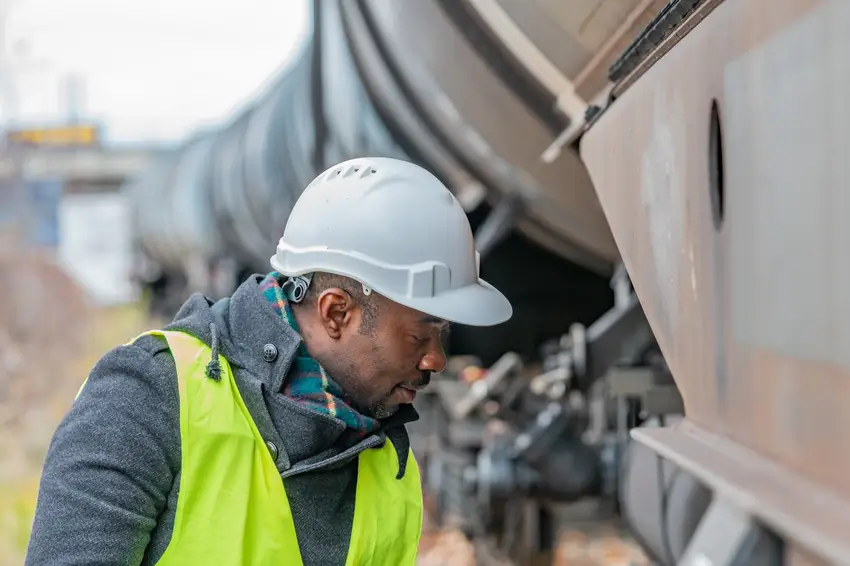
Did you know?
Rail yard technicians must adhere to strict federal safety regulations and be prepared for physically demanding work in all weather conditions around heavy machinery.
At a Glance
Median Wage
$58,718.67 Avg/yr
Growth
Stable
Top Skill
Learning Strategies
Key Responsibilities
- Report arrival and departure times, train delays, work order completion, and time on duty.
- Read switching instructions and daily car schedules to determine work to be performed, or receive orders from yard conductors.
- Operate track switches, derails, automatic switches, and retarders to change routing of train or cars.
- Observe water levels and oil, air, and steam pressure gauges to ensure proper operation of equipment.
- Observe and respond to wayside and cab signals, including color light signals, position signals, torpedoes, flags, and hot box detectors.
- Inspect engines before and after use to ensure proper operation.
- Signal crew members for movement of engines or trains, using lanterns, hand signals, radios, or telephones.
- Apply and release hand brakes.
- Inspect track for defects such as broken rails and switch malfunctions.
- Operate flatcars equipped with derricks or railcars to transport personnel or equipment.
- Spot cars for loading and unloading at customer locations.
- Inspect the condition of stationary trains, rolling stock, and equipment.
- Drive engines within railroad yards or other establishments to couple, uncouple, or switch railroad cars.
- Record numbers of cars available, numbers of cars sent to repair stations, and types of service needed.
- Pull knuckles to open them for coupling.
- Perform routine repair and maintenance duties.
- Provide assistance in the installation or repair of rails and ties.
- Receive, relay, and act upon instructions and inquiries from train operations and customer service center personnel.
- Drive locomotives to and from various stations in roundhouses to have locomotives cleaned, serviced, repaired, or supplied.
- Couple and uncouple air hoses and electrical connections between cars.
- Confer with conductors and other workers via radiotelephones or computers to exchange switching information.
- Ride on moving cars by holding onto grab irons and standing on ladder steps.
- Provide assistance in aligning drawbars, using available equipment to lift, pull, or push on the drawbars.
Career Considerations
Safety and Physical Demands
Rail yard technicians must adhere to strict federal safety regulations and be prepared for physically demanding work in all weather conditions around heavy machinery.
Union Membership Benefits
Most rail yard positions in the US are unionized, offering strong job security, comprehensive benefits, and collective bargaining power for wages and working conditions.
Specialized Training Requirements
Entry into this field typically requires completion of railroad-specific training programs and ongoing certification to meet Federal Railroad Administration standards.