Range Management Specialists
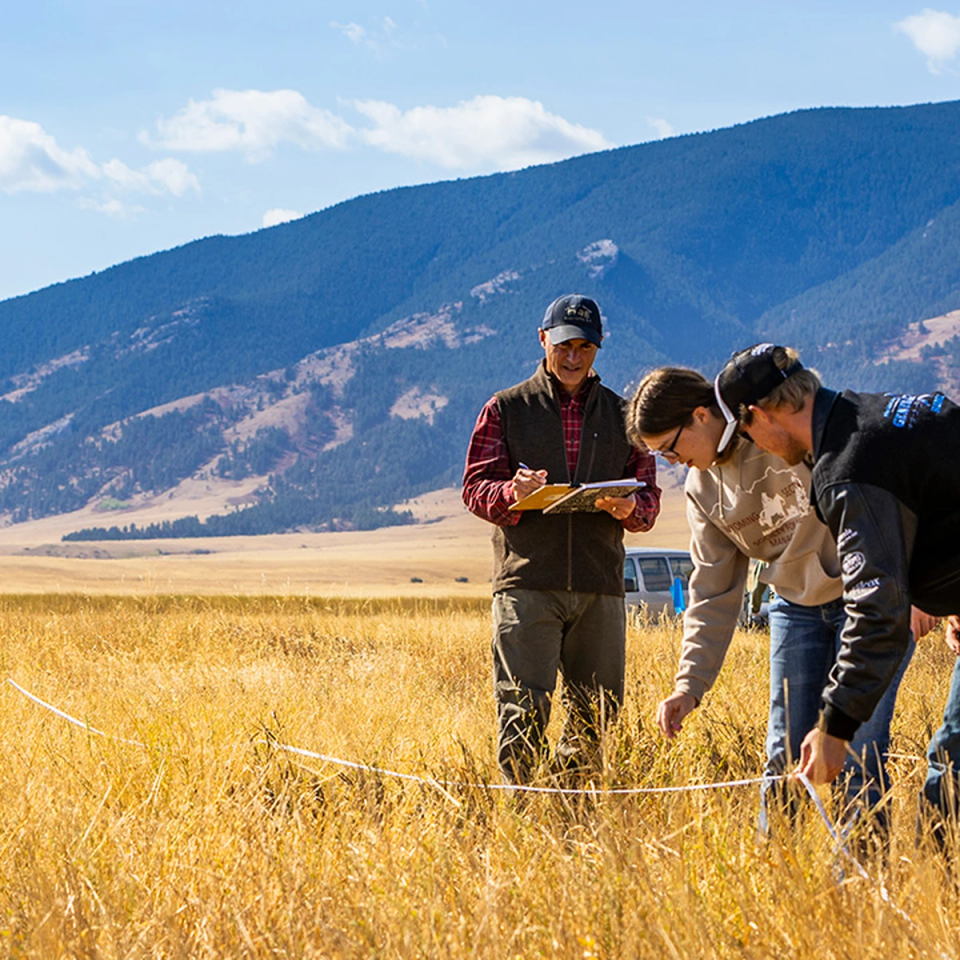
Range Management Specialists study and manage huge areas of grasslands and open country so they can support healthy wildlife, productive livestock, and outdoor recreation for the long term. They analyze grazing patterns with tools like GPS, vegetation surveys, and mapping software (such as ArcGIS) to decide how many animals the land can handle, when they should graze, and which plants need protection or restoration. They create and enforce land-use plans, coordinate with ranchers and government agencies, and design improvements like fencing, water reservoirs, and erosion-control structures to keep soils stable and plant communities strong.
Did you know?
Most Range Manager positions in the US require a bachelor's degree in range management, natural resources, or related field, with many employers preferring candidates certified by the Society for Range Management.
At a glance
Typical average pay
$68,400 Avg/yr
Growth
Stable
Top skill
Active Listening
Things to consider
Geographic Job Market Concentration
Employment opportunities are heavily concentrated in western states like Montana, Wyoming, Colorado, and Nevada where large rangelands and federal land management agencies are most prevalent.
Physical Demands and Outdoor Work Environment
The role requires extensive fieldwork in remote locations with significant physical demands including hiking, horseback riding, and working in various weather conditions across rugged terrain.
Key responsibilities
Coordinate with federal land managers and other agencies and organizations to manage and protect rangelands.
Develop methods for protecting range from fire and rodent damage and for controlling poisonous plants.
Plan and direct construction and maintenance of range improvements, such as fencing, corrals, stock-watering reservoirs, and soil-erosion control structures.
Manage forage resources through fire, herbicide use, or revegetation to maintain a sustainable yield from the land.
Measure and assess vegetation resources for biological assessment companies, environmental impact statements, and rangeland monitoring programs.