
Refinery Operators

Overview

Refinery operators run the complex machinery and systems that turn crude oil into gasoline, diesel, and other petroleum products we use every day. They monitor computer-controlled equipment, adjust pumps and valves to control the flow of oil through processing units, and test products to ensure quality standards. These professionals work with advanced automation systems and digital monitoring tools while collaborating with engineering teams to keep refineries running safely and efficiently. The role requires strong technical skills, attention to detail, and often involves specialized training programs or associate degrees in process technology.
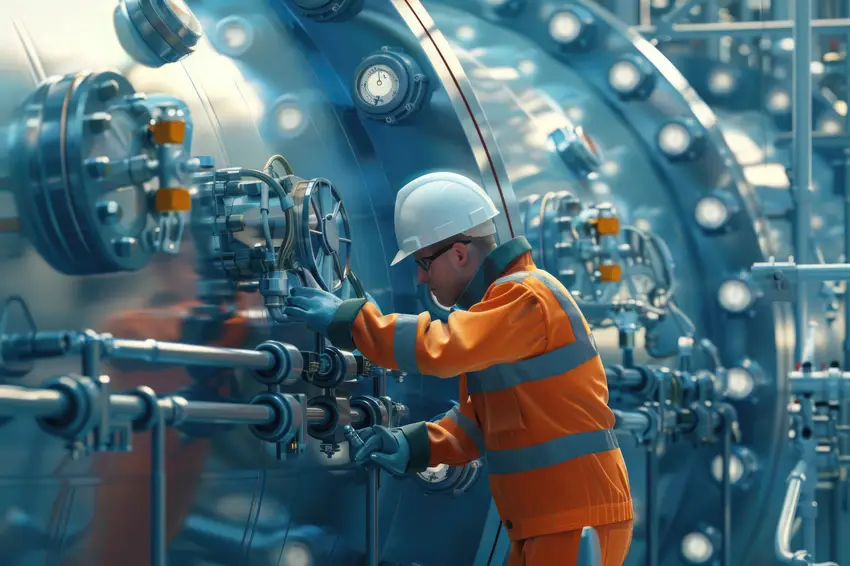
Refinery Operators

Did you know?

Petroleum process operators must strictly adhere to OSHA safety standards and EPA environmental regulations, as violations can result in serious injuries, environmental damage, and significant legal penalties.

At a Glance

Median Wage

$85,218.29 Avg/yr

Growth

Stable

Top Skill

Management of Financial Resources

Key Responsibilities

  • Lower thermometers into tanks to obtain temperature readings.
  • Clamp seals around valves to secure tanks.
  • Clean interiors of processing units by circulating chemicals and solvents within units.
  • Perform tests to check the qualities and grades of products, such as assessing levels of bottom sediment, water, and foreign materials in oil samples, using centrifugal testers.
  • Read automatic gauges at specified intervals to determine the flow rate of oil into or from tanks, and the amount of oil in tanks.
  • Control or operate manifold and pumping systems to circulate liquids through a petroleum refinery.
  • Operate auxiliary equipment and control multiple processing units during distilling or treating operations, moving controls that regulate valves, pumps, compressors, and auxiliary equipment.
  • Signal other workers by telephone or radio to operate pumps, open and close valves, and check temperatures.
  • Synchronize activities with other pumphouses to ensure a continuous flow of products and a minimum of contamination between products.
  • Maintain and repair equipment, or report malfunctioning equipment to supervisors so that repairs can be scheduled.
  • Verify that incoming and outgoing products are moving through the correct meters, and that meters are working properly.
  • Coordinate shutdowns and major projects.
  • Prepare calculations for receipts and deliveries of oil and oil products.
  • Monitor process indicators, instruments, gauges, and meters to detect and report any possible problems.
  • Inspect pipelines, tightening connections and lubricating valves as necessary.
  • Read and analyze specifications, schedules, logs, test results, and laboratory recommendations to determine how to set equipment controls to produce the required qualities and quantities of products.
  • Record and compile operating data, instrument readings, documentation, and results of laboratory analyses.
  • Conduct general housekeeping of units, including wiping up oil spills and performing general cleaning duties.
  • Plan movement of products through lines to processing, storage, and shipping units, using knowledge of system interconnections and capacities.
  • Calculate test result values, using standard formulas.
  • Collect product samples by turning bleeder valves, or by lowering containers into tanks to obtain oil samples.
  • Start pumps and open valves or use automated equipment to regulate the flow of oil in pipelines and into and out of tanks.
  • Operate control panels to coordinate and regulate process variables such as temperature and pressure, and to direct product flow rate, according to process schedules.
  • Patrol units to monitor the amount of oil in storage tanks, and to verify that activities and operations are safe, efficient, and in compliance with regulations.

Career Considerations

Safety and Regulatory Compliance

Petroleum process operators must strictly adhere to OSHA safety standards and EPA environmental regulations, as violations can result in serious injuries, environmental damage, and significant legal penalties.

Geographic Job Concentration

Employment opportunities are primarily concentrated in states with major refineries such as Texas, Louisiana, and California, which may require relocation for career advancement.

Technical Training Requirements

Most positions require completion of specialized technical training programs or associate degrees in process technology, along with ongoing certification maintenance.

Want to dig deeper?

Talk to blinky to learn more.

Start chatting
BETA
New York

25 Kent Ave, Suite 401
Brooklyn, NY
11249


North Carolina

204 N Person
Street. Raleigh, NC
27601

Australia

Level 4/80
Wentworth Ave,
Surry Hills,
Sydney, 2010