
Respiratory Therapists

Overview

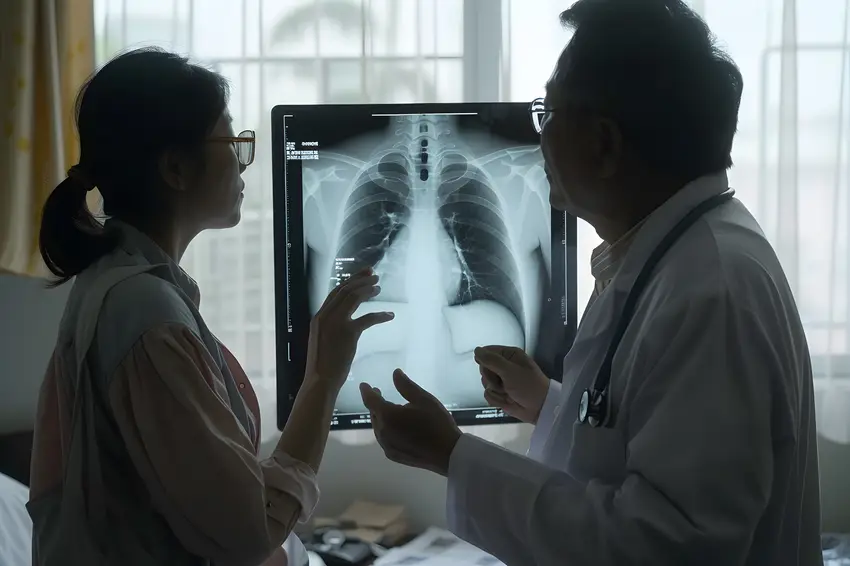
Respiratory therapists help people of all ages who have trouble breathing, from premature babies with undeveloped lungs to elderly patients with conditions like asthma or COPD. They work closely with doctors to create treatment plans, perform diagnostic tests, and use advanced medical equipment to help patients breathe easier. These healthcare professionals also teach patients how to use breathing devices and take medications properly. Most respiratory therapists work in hospitals or clinics and need an associate degree plus certification to enter this rewarding medical field.
Respiratory Therapists

Did you know?

Respiratory therapists in the US must complete an accredited associate or bachelor's degree program and obtain state licensure, with requirements varying by state.

At a Glance

Median Wage

$80,240.78 Avg/yr

Growth

Fast Growing

Top Skill

Installation

Key Responsibilities

  • Educate patients and their families about their conditions and teach appropriate disease management techniques, such as breathing exercises or the use of medications or respiratory equipment.
  • Perform pulmonary function and adjust equipment to obtain optimum results in therapy.
  • Provide emergency care, such as artificial respiration, external cardiac massage, or assistance with cardiopulmonary resuscitation.
  • Make emergency visits to resolve equipment problems.
  • Monitor patient's physiological responses to therapy, such as vital signs, arterial blood gases, or blood chemistry changes, and consult with physician if adverse reactions occur.
  • Perform bronchopulmonary drainage and assist or instruct patients in performance of breathing exercises.
  • Set up and operate devices, such as mechanical ventilators, therapeutic gas administration apparatus, environmental control systems, or aerosol generators, following specified parameters of treatment.
  • Maintain charts that contain patients' pertinent identification and therapy information.
  • Teach, train, supervise, or use the assistance of students, respiratory therapy technicians, or assistants.
  • Determine requirements for treatment, such as type, method and duration of therapy, precautions to be taken, or medication and dosages, compatible with physicians' orders.
  • Transport patients to the hospital or within the hospital.
  • Relay blood analysis results to a physician.
  • Perform endotracheal intubation to maintain open airways for patients who are unable to breathe on their own.
  • Inspect, clean, test, and maintain respiratory therapy equipment to ensure equipment is functioning safely and efficiently, ordering repairs when necessary.
  • Work as part of a team of physicians, nurses, or other healthcare professionals to manage patient care by assisting with medical procedures or related duties.
  • Monitor cardiac patients, using electrocardiography devices, such as a holter monitor.
  • Conduct tests, such as electrocardiograms (EKGs), stress testing, or lung capacity tests, to evaluate patients' cardiopulmonary functions.
  • Read prescription, measure arterial blood gases, and review patient information to assess patient condition.
  • Explain treatment procedures to patients to gain cooperation and allay fears.
  • Use a variety of testing techniques to assist doctors in cardiac or pulmonary research or to diagnose disorders.
  • Enforce safety rules and ensure careful adherence to physicians' orders.
  • Demonstrate respiratory care procedures to trainees or other healthcare personnel.

Career Considerations

Educational Requirements and State Licensing

Respiratory therapists in the US must complete an accredited associate or bachelor's degree program and obtain state licensure, with requirements varying by state.

Strong Job Market Growth

The Bureau of Labor Statistics projects 14% job growth for respiratory therapists from 2021-2031, much faster than average due to an aging population and increased awareness of respiratory health.

Demanding Hospital Work Environment

Most respiratory therapists work in hospitals with physically demanding duties, irregular hours including nights and weekends, and high-stress situations in critical care settings.

Want to dig deeper?

Talk to blinky to learn more.

Start chatting
BETA
New York

25 Kent Ave, Suite 401
Brooklyn, NY
11249


North Carolina

204 N Person
Street. Raleigh, NC
27601

Australia

Level 4/80
Wentworth Ave,
Surry Hills,
Sydney, 2010