Riggers
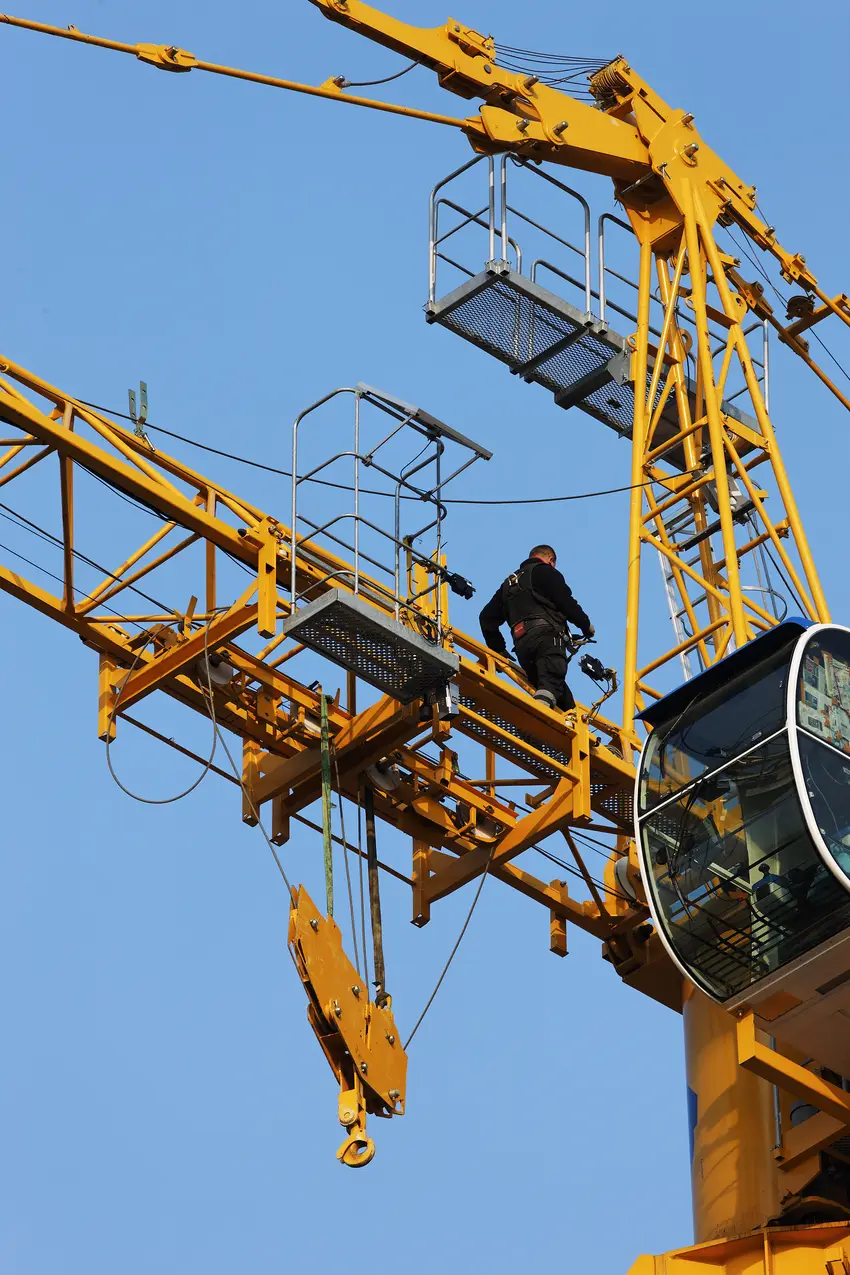
Riggers are the safety experts who set up and operate specialized equipment to move incredibly heavy objects in construction sites, factories, ships, and even movie sets. They use cables, pulleys, cranes, and other tools to carefully guide massive loads through tight spaces while keeping everyone safe. This job requires strong problem-solving skills, attention to detail, and the ability to work as part of a team to coordinate complex lifting operations. Many riggers learn through apprenticeships or technical programs that combine hands-on training with safety certification.
Did you know?
Riggers must obtain OSHA-compliant certifications and undergo regular safety training to meet strict American workplace safety standards.
At a glance
Typical average pay
$64,000 Avg/yr
Growth
Stable
Top skill
Operation and Control
Things to consider
Physical Demands and Work Environment
The occupation requires excellent physical fitness and the ability to work in challenging outdoor conditions, often at significant heights.
Industry Specialization Opportunities
Riggers can specialize in high-paying sectors like entertainment rigging, construction, or maritime operations, each offering different career advancement paths.
Key responsibilities
Attach pulleys and blocks to fixed overhead structures, such as beams, ceilings, and gin pole booms, using bolts and clamps.
Load machines onto trucks to prepare for transportation.
Clean and dress machine surfaces and component parts.
Tilt, dip, and turn suspended loads to maneuver over, under, or around obstacles, using multi-point suspension techniques.
Signal or verbally direct workers engaged in hoisting and moving loads to ensure safety of workers and materials.