
Rolling Machine Operators

Overview

Rolling machine operators work with powerful machines that shape and flatten metal and plastic materials into specific forms and thicknesses. You'll read blueprints and technical drawings, then set up and operate precision equipment to bend, roll, and reshape materials according to exact specifications. The job involves monitoring computer controls, adjusting machine settings, and inspecting finished products to ensure they meet quality standards. This hands-on career combines technical skills with problem-solving as you work in modern manufacturing facilities that often use automated systems and digital monitoring tools.
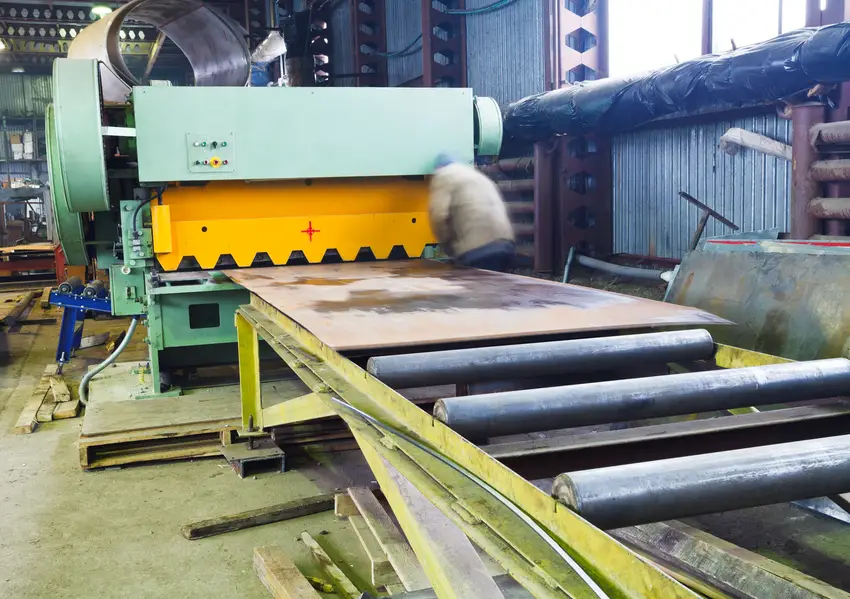
Rolling Machine Operators

Did you know?

This occupation requires strict adherence to OSHA safety protocols and involves physically demanding work with heavy machinery, requiring good physical condition and safety awareness.

At a Glance

Median Wage

$49,215.64 Avg/yr

Growth

Stable

Top Skill

Coordination

Key Responsibilities

  • Thread or feed sheets or rods through rolling mechanisms, or start and control mechanisms that automatically feed steel into rollers.
  • Calculate draft space and roll speed for each mill stand to plan rolling sequences and specified dimensions and tempers.
  • Set distance points between rolls, guides, meters, and stops, according to specifications.
  • Start operation of rolling and milling machines to flatten, temper, form, and reduce sheet metal sections and to produce steel strips.
  • Record mill production on schedule sheets.
  • Disassemble sizing mills removed from rolling lines, and sort and store parts.
  • Fill oil cups, adjust valves, and observe gauges to control flow of metal coolants and lubricants onto workpieces.
  • Examine, inspect, and measure raw materials and finished products to verify conformance to specifications.
  • Select rolls, dies, roll stands, and chucks from data charts to form specified contours and to fabricate products.
  • Remove scratches and polish roll surfaces, using polishing stones and electric buffers.
  • Activate shears and grinders to trim workpieces.
  • Manipulate controls and observe dial indicators to monitor, adjust, and regulate speeds of machine mechanisms.
  • Adjust and correct machine set-ups to reduce thicknesses, reshape products, and eliminate product defects.
  • Signal and assist other workers to remove and position equipment, fill hoppers, and feed materials into machines.
  • Position, align, and secure arbors, spindles, coils, mandrels, dies, and slitting knives.
  • Direct and train other workers to change rolls, operate mill equipment, remove coils and cobbles, and band and load material.
  • Install equipment such as guides, guards, gears, cooling equipment, and rolls, using hand tools.
  • Read rolling orders, blueprints, and mill schedules to determine setup specifications, work sequences, product dimensions, and installation procedures.
  • Monitor machine cycles and mill operation to detect jamming and to ensure that products conform to specifications.

Career Considerations

Safety and Physical Demands

This occupation requires strict adherence to OSHA safety protocols and involves physically demanding work with heavy machinery, requiring good physical condition and safety awareness.

Technical Skills and Certification

Workers need mechanical aptitude, blueprint reading skills, and may benefit from vocational training or apprenticeships to advance in American manufacturing facilities.

Industry Outlook and Automation Impact

Employment in this field faces challenges from automation and overseas manufacturing, making adaptability and continuous skill development essential for job security.

Want to dig deeper?

Talk to blinky to learn more.

Start chatting
BETA
New York

25 Kent Ave, Suite 401
Brooklyn, NY
11249


North Carolina

204 N Person
Street. Raleigh, NC
27601

Australia

Level 4/80
Wentworth Ave,
Surry Hills,
Sydney, 2010