Roofers
Overview
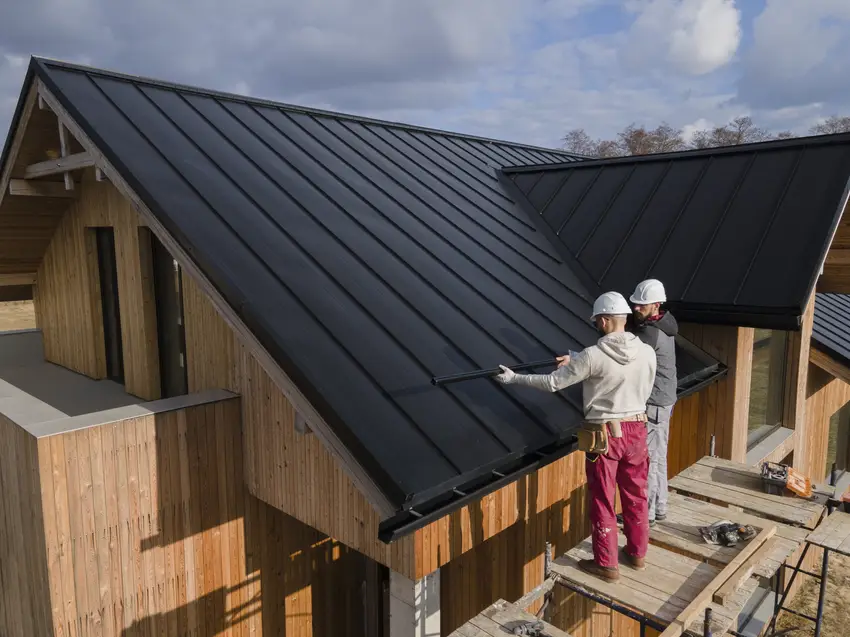
Roofers protect buildings by installing, repairing, and replacing roofs using materials like shingles, metal, and asphalt. They inspect damaged roofs, measure spaces, remove old materials, and install new weatherproof systems including insulation and ventilation. This hands-on career requires physical skills, attention to detail, and knowledge of construction tools and safety equipment. Many roofers work in teams, collaborate with other construction professionals, and can start with on-the-job training or vocational programs.
Did you know?
Roofing is one of the most dangerous occupations in America, requiring excellent physical fitness and strict adherence to safety protocols to prevent falls and injuries.
At a Glance
Median Wage
$52,438.04 Avg/yr
Growth
Fast Growing
Top Skill
Reading Comprehension
Key Responsibilities
- Remove snow, water, or debris from roofs prior to applying roofing materials.
- Spray roofs, sidings, or walls to bind, seal, insulate, or soundproof sections of structures, using spray guns, air compressors, or heaters.
- Punch holes in slate, tile, terra cotta, or wooden shingles, using punches and hammers.
- Install skylights on roofs to increase natural light inside structures or to reduce energy costs.
- Apply alternate layers of hot asphalt or tar and roofing paper to roofs.
- Glaze top layers to make a smooth finish or embed gravel in the bitumen for rough surfaces.
- Apply modular soil- and plant-containing grids over existing roof membranes to create green roofs.
- Install, repair, or replace single-ply roofing systems, using waterproof sheet materials such as modified plastics, elastomeric, or other asphaltic compositions.
- Attach solar panels to existing roofs, according to specifications and without damaging roofing materials or the structural integrity of buildings.
- Apply plastic coatings, membranes, fiberglass, or felt over sloped roofs before applying shingles.
- Apply reflective roof coatings, such as special paints or single-ply roofing sheets, to existing roofs to reduce solar heat absorption.
- Cement or nail flashing strips of metal or shingle over joints to make them watertight.
- Cover roofs or exterior walls of structures with slate, asphalt, aluminum, wood, gravel, gypsum, or related materials, using brushes, knives, punches, hammers, or other tools.
- Apply gravel or pebbles over top layers of roofs, using rakes or stiff-bristled brooms.
- Mop or pour hot asphalt or tar onto roof bases.
- Smooth rough spots to prepare surfaces for waterproofing, using hammers, chisels, or rubbing bricks.
- Install layers of vegetation-based green roofs, including protective membranes, drainage, aeration, water retention and filter layers, soil substrates, irrigation materials, and plants.
- Install partially overlapping layers of material over roof insulation surfaces, using chalk lines, gauges on shingling hatchets, or lines on shingles.
- Inspect problem roofs to determine the best repair procedures.
- Set up scaffolding to provide safe access to roofs.
- Attach roofing paper to roofs in overlapping strips to form bases for other materials.
- Install attic ventilation systems, such as turbine vents, gable or ridge vents, or conventional or solar-powered exhaust fans.
- Cut felt, shingles, or strips of flashing to fit angles formed by walls, vents, or intersecting roof surfaces.
- Install vapor barriers or layers of insulation on flat roofs.
- Cover exposed nailheads with roofing cement or caulking to prevent water leakage or rust.
- Estimate materials and labor required to complete roofing jobs.
- Waterproof or damp-proof walls, floors, roofs, foundations, or basements by painting or spraying surfaces with waterproof coatings or by attaching waterproofing membranes to surfaces.
Career Considerations
Safety and Physical Demands
Roofing is one of the most dangerous occupations in America, requiring excellent physical fitness and strict adherence to safety protocols to prevent falls and injuries.
Weather Dependency
Work schedules and income can be highly unpredictable due to weather conditions, with seasonal fluctuations affecting job availability and earnings throughout the year.
Licensing and Certification Requirements
Most states require roofers to obtain specific licenses or certifications, and staying current with building codes and safety regulations is essential for legal compliance and career advancement.