Security and Fire Alarm Systems Installers
Security and fire alarm systems installers set up, repair, and maintain the electronic systems that keep buildings and people safe from fires and break-ins. You'll work with cutting-edge technology like resistance meters and oscilloscopes to test circuits, install wiring and equipment, and troubleshoot problems when systems aren't working properly. This hands-on career combines technical skills with customer service, as you'll visit different locations to install new systems, explain how equipment works to customers, and keep detailed records of your work. Many installers learn through vocational training or apprenticeships, and the job offers variety since you'll work in homes, offices, and various commercial buildings.
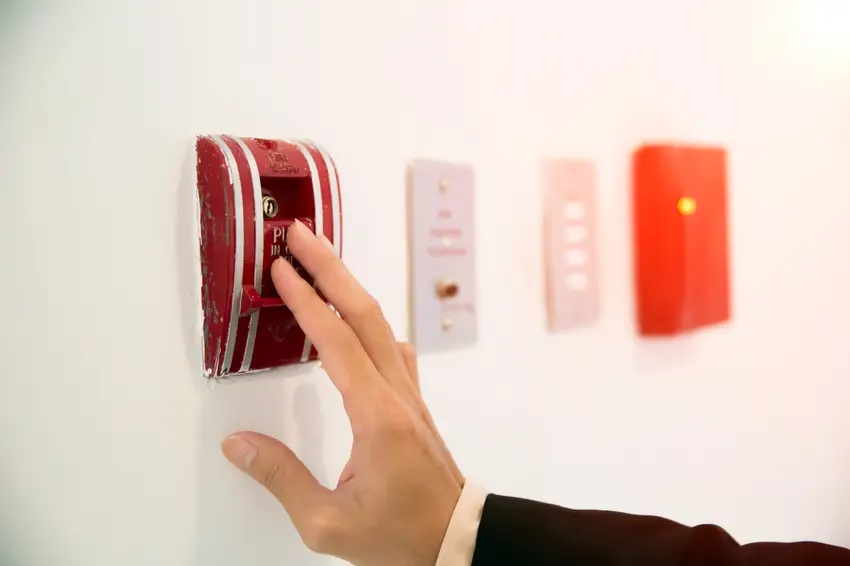
Did you know?
Most states require security system technicians to obtain specific licenses or certifications, with requirements varying significantly across different jurisdictions.
At a glance
Typical average pay
$57,900 Avg/yr
Growth
Fast growing
Top skill
Speaking
Things to consider
Continuous Technology Training
The rapid evolution of security technology, including IP-based systems and smart home integration, requires ongoing education to stay current with industry standards.
Physical Work Environment
The role involves significant physical demands including climbing ladders, crawling through tight spaces, and working in various weather conditions at different job sites.
Key responsibilities
Order replacement parts.
Test and repair circuits and sensors, following wiring and system specifications.
Install, maintain, or repair security systems, alarm devices, or related equipment, following blueprints of electrical layouts and building plans.
Demonstrate systems for customers and explain details, such as the causes and consequences of false alarms.
Examine systems to locate problems, such as loose connections or broken insulation.