
Service Unit Operators in Oil and Gas Wells

Overview

Service Unit Operators in oil and gas wells use powerful truck-mounted machines and advanced tools to fix problems deep underground so oil and gas can flow safely and efficiently. They inspect wells that are clogged or damaged, choose the right “fishing” tools or methods to pull out stuck pipes or equipment, and may use technologies like coiled tubing, horizontal drilling, or hydraulic fracturing to improve production. They also lead crews at the well site, install safety and pressure-control devices on wellheads, monitor instruments that show fluid levels and obstruction depths, and carefully document all work for safety records and billing.
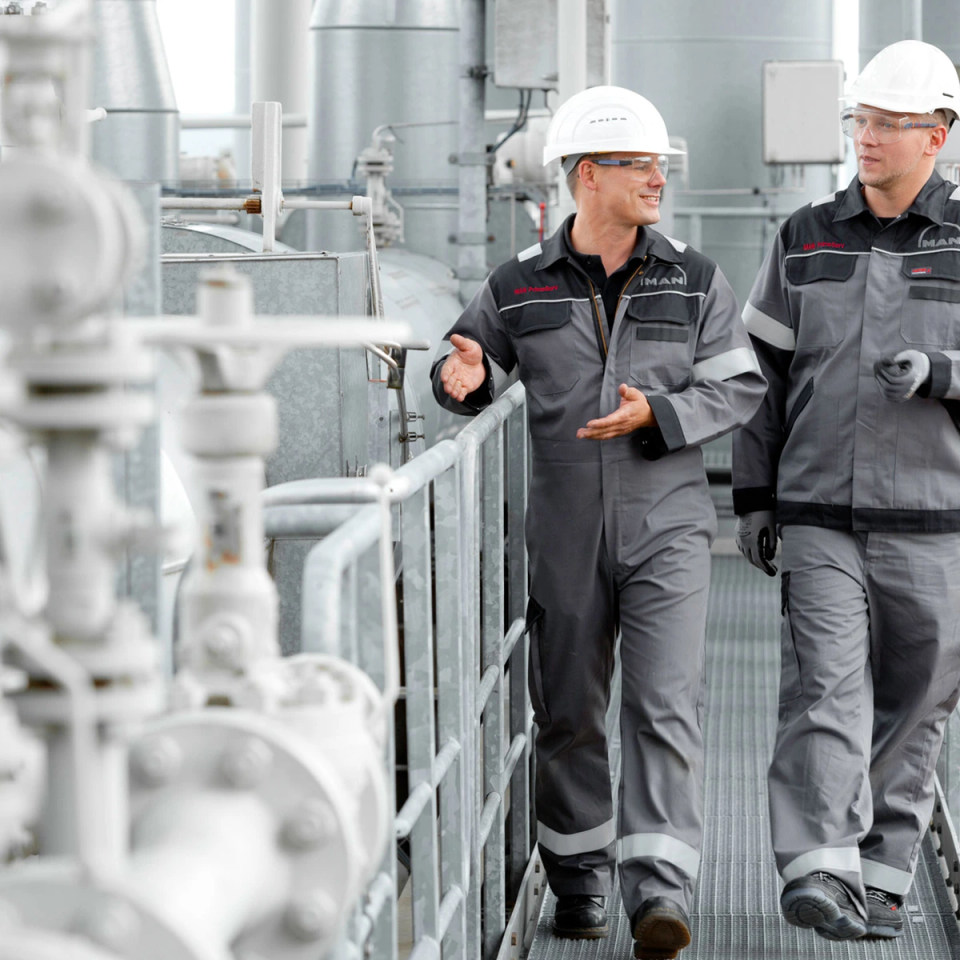
Service Unit Operators in Oil and Gas Wells

Did you know?

This occupation involves working with heavy machinery and hazardous materials in potentially dangerous environments, requiring strict adherence to safety protocols and physical fitness.

At a Glance

Median Wage

$57,255.19 Avg/yr

Growth

Stable

Top Skill

Service Orientation

Key Responsibilities

  • Examine unserviceable wells to determine actions to be taken to improve well conditions.
  • Operate controls that raise derricks or level rigs.
  • Insert detection instruments into wells with obstructions.
  • Confer with others to gather information regarding pipe or tool sizes or borehole conditions in wells.
  • Drive truck-mounted units to well sites.
  • Select fishing methods or tools for removing obstacles such as liners, broken casing, screens, or drill pipe.
  • Close and seal wells no longer in use.
  • Install pressure-control devices onto wellheads.
  • Prepare reports of services rendered, tools used, or time required, for billing purposes.
  • Monitor sound wave-generating or detecting mechanisms to determine well fluid levels.
  • Interpret instrument readings to ascertain the depth of obstruction.
  • Perforate well casings or sidewalls of boreholes with explosive charges.
  • Thread cables through derrick pulleys, using hand tools.
  • Apply green technologies or techniques, such as the use of coiled tubing, slim-hole drilling, horizontal drilling, hydraulic fracturing, or gas lift systems.
  • Listen to engines, rotary chains, or other equipment to detect faulty operations or unusual well conditions.
  • Operate pumps that circulate water, oil, or other fluids through wells to remove sand or other materials obstructing the free flow of oil.
  • Maintain and perform safety inspections on equipment and tools.
  • Direct drilling crews performing activities such as assembling and connecting pipe, applying weights to drill pipes, or drilling around lodged obstacles.
  • Operate specialized equipment to remove obstructions by backing off or severing pipes by chemical or explosive action.

Career Considerations

Safety and Physical Demands

This occupation involves working with heavy machinery and hazardous materials in potentially dangerous environments, requiring strict adherence to safety protocols and physical fitness.

Geographic Mobility Requirements

Service unit operators often need to relocate or travel extensively to remote oil and gas fields across different states, impacting work-life balance and family considerations.

Industry Volatility and Job Security

Employment in oil and gas is subject to significant economic cycles and commodity price fluctuations, leading to periods of high demand followed by potential layoffs during downturns.

Want to dig deeper?

Talk to blinky to learn more.

Start chatting
BETA
New York

25 Kent Ave, Suite 401
Brooklyn, NY
11249


North Carolina

204 N Person
Street. Raleigh, NC
27601

Australia

Level 4/80
Wentworth Ave,
Surry Hills,
Sydney, 2010