Sewing Machine Operators
Overview
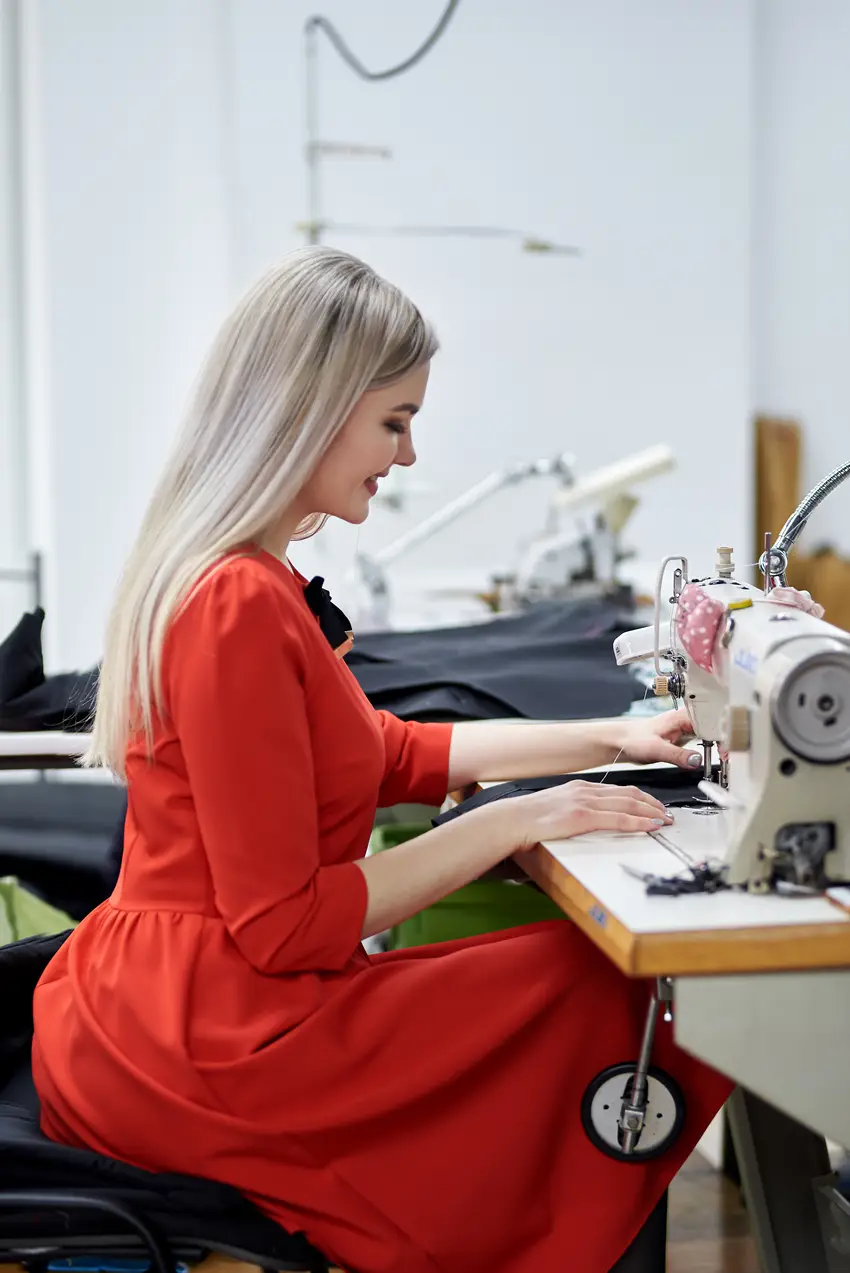
Sewing Machine Operators work with specialized machines to stitch together clothing and other fabric products in manufacturing facilities. They guide materials through high-speed sewing machines, monitor for quality issues like broken threads or stitching problems, and inspect finished pieces to ensure they meet standards. This job requires attention to detail, hand-eye coordination, and the ability to work with computerized equipment in modern factories. Many operators collaborate in teams and can advance to supervisory roles or specialize in complex garment construction.
Did you know?
Sewing machine operators face repetitive motion injuries and must work in seated positions for extended periods, requiring good physical stamina and attention to ergonomic practices.
At a Glance
Median Wage
$36,198.20 Avg/yr
Growth
Stable
Top Skill
Coordination
Key Responsibilities
- Perform equipment maintenance tasks such as replacing needles, sanding rough areas of needles, or cleaning and oiling sewing machines.
- Position and mark patterns on materials to prepare for sewing.
- Guide garments or garment parts under machine needles and presser feet to sew parts together.
- Record quantities of materials processed.
- Cut materials according to specifications, using blades, scissors, or electric knives.
- Remove holding devices and finished items from machines.
- Cut excess material or thread from finished products.
- Draw markings or pin appliques on fabric to obtain variations in design.
- Start and operate or tend machines, such as single or double needle serging and flat-bed felling machines, to automatically join, reinforce, or decorate material or articles.
- Select supplies such as fasteners and thread, according to job requirements.
- Attach buttons, hooks, zippers, fasteners, or other accessories to fabric, using feeding hoppers or clamp holders.
- Repair or alter items by adding replacement parts or missing stitches.
- Fold or stretch edges or lengths of items while sewing to facilitate forming specified sections.
- Tape or twist together thread or cord to repair breaks.
- Place spools of thread, cord, or other materials on spindles, insert bobbins, and thread ends through machine guides and components.
- Mount attachments, such as needles, cutting blades, or pattern plates, and adjust machine guides according to specifications.
- Position material or articles in clamps, templates, or hoop frames prior to automatic operation of machines.
- Turn knobs, screws, and dials to adjust settings of machines, according to garment styles and equipment performance.
- Perform specialized or automatic sewing machine functions, such as buttonhole making or tacking.
- Examine and measure finished articles to verify conformance to standards, using rulers.
- Baste edges of material to align and temporarily secure parts for final assembly.
- Match cloth pieces in correct sequences prior to sewing them, and verify that dye lots and patterns match.
- Inspect garments, and examine repair tags and markings on garments to locate defects or damage, and mark errors as necessary.
- Attach tape, trim, appliques, or elastic to specified garments or garment parts, according to item specifications.
- Position items under needles, using marks on machines, clamps, templates, or cloth as guides.
- Monitor machine operation to detect problems such as defective stitching, breaks in thread, or machine malfunctions.
Career Considerations
Physical Demands and Workplace Ergonomics
Sewing machine operators face repetitive motion injuries and must work in seated positions for extended periods, requiring good physical stamina and attention to ergonomic practices.
Industry Automation and Job Market Decline
The American textile and apparel manufacturing sector continues to shrink due to automation and overseas competition, leading to fewer available positions and job security concerns.
Geographic Concentration in Specific Regions
Most sewing machine operator jobs in the US are concentrated in the Southeast and specific metropolitan areas, potentially requiring relocation for better employment opportunities.