Ship Captains
Overview
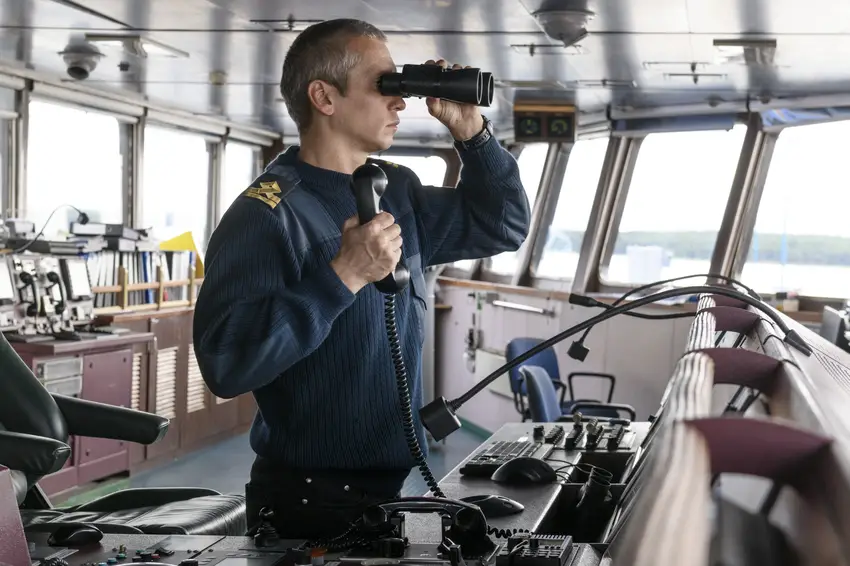
Ship captains operate large vessels that transport cargo and passengers across oceans, rivers, and lakes. They lead crews, navigate using GPS and advanced maritime technology, and ensure everyone's safety while managing complex loading operations. This career combines leadership skills with technical knowledge of navigation systems and maritime law. Many captains start with maritime academy training or work their way up through deck officer positions.
Did you know?
Ship captains must obtain and maintain complex federal licensing through the US Coast Guard, requiring extensive training, sea time, and regular renewals.
At a Glance
Median Wage
$79,562.89 Avg/yr
Growth
Stable
Top Skill
Technology Design
Key Responsibilities
- Direct courses and speeds of ships, based on specialized knowledge of local winds, weather, water depths, tides, currents, and hazards.
- Inspect vessels to ensure efficient and safe operation of vessels and equipment and conformance to regulations.
- Signal passing vessels, using whistles, flashing lights, flags, or radios.
- Serve as a vessel's docking master upon arrival at a port or at a berth.
- Stand watches on vessels during specified periods while vessels are under way.
- Supervise crews in cleaning or maintaining decks, superstructures, or bridges.
- Interview and hire crew members.
- Read gauges to verify sufficient levels of hydraulic fluid, air pressure, or oxygen.
- Maintain records of daily activities, personnel reports, ship positions and movements, ports of call, weather and sea conditions, pollution control efforts, or cargo or passenger status.
- Signal crew members or deckhands to rig tow lines, open or close gates or ramps, or pull guard chains across entries.
- Learn to operate new technology systems and procedures through instruction, simulators, or models.
- Advise ships' masters on harbor rules and customs procedures.
- Consult maps, charts, weather reports, or navigation equipment to determine and direct ship movements.
- Calculate sightings of land, using electronic sounding devices and following contour lines on charts.
- Arrange for ships to be fueled, restocked with supplies, or repaired.
- Maintain boats or equipment on board, such as engines, winches, navigational systems, fire extinguishers, or life preservers.
- Provide assistance in maritime rescue operations.
- Report to appropriate authorities any violations of federal or state pilotage laws.
- Assign watches or living quarters to crew members.
- Measure depths of water, using depth-measuring equipment.
- Tow and maneuver barges or signal tugboats to tow barges to destinations.
- Conduct safety drills such as man overboard or fire drills.
- Direct or coordinate crew members or workers performing activities such as loading or unloading cargo, steering vessels, operating engines, or operating, maintaining, or repairing ship equipment.
- Dock or undock vessels, sometimes maneuvering through narrow spaces, such as locks.
- Perform various marine duties, such as checking for oil spills or other pollutants around ports or harbors or patrolling beaches.
- Observe loading or unloading of cargo or equipment to ensure that handling and storage are performed according to specifications.
- Operate ship-to-shore radios to exchange information needed for ship operations.
- Steer and operate vessels, using radios, depth finders, radars, lights, buoys, or lighthouses.
- Prevent ships under navigational control from engaging in unsafe operations.
- Purchase supplies or equipment.
Career Considerations
US Coast Guard Licensing Requirements
Ship captains must obtain and maintain complex federal licensing through the US Coast Guard, requiring extensive training, sea time, and regular renewals.
Extended Time Away from Home
Maritime careers typically involve months-long voyages away from family and shore-based social connections, significantly impacting work-life balance.
Career Advancement and Salary Potential
Advancement from deck officer to captain requires years of sea experience and additional certifications, but offers substantial earning potential with experienced captains earning six-figure salaries.