Skilled Trades Helpers
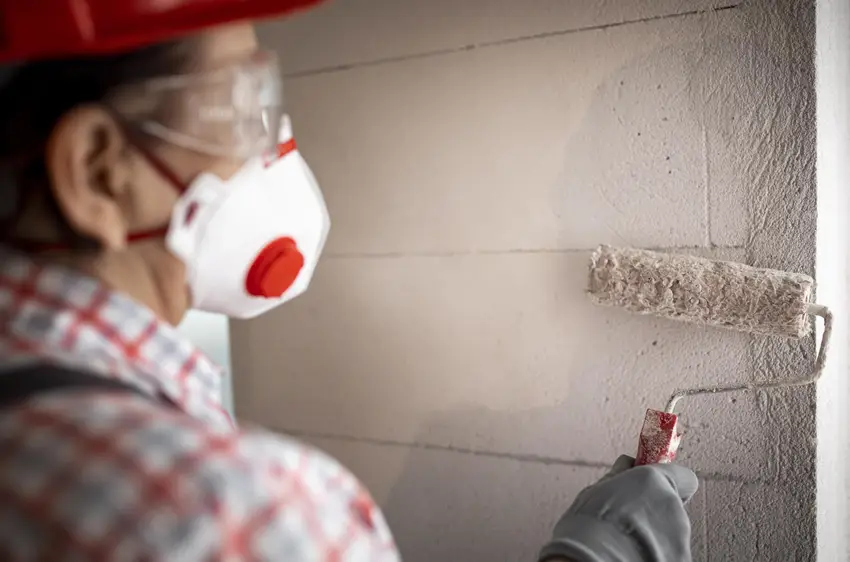
Skilled trades helpers work alongside skilled painters, plasterers, and other craftworkers to support building and renovation projects. You'll prepare work sites by cleaning debris, set up scaffolding and equipment, and assist with various tasks like loading materials and operating tools. This hands-on job teaches valuable construction skills while working as part of a collaborative team. Many skilled trades helpers use modern safety equipment and digital tools to track project progress and communicate with supervisors.
Did you know?
This occupation requires significant physical stamina, the ability to work in various weather conditions, and strict adherence to OSHA safety protocols to prevent workplace injuries.
At a glance
Typical average pay
$38,700 Avg/yr
Growth
Stable
Things to consider
Apprenticeship and Skill Development Opportunities
Entry-level helpers can advance to skilled tradesperson positions through formal apprenticeship programs or on-the-job training, leading to higher wages and job security.
Seasonal Employment Patterns
Work availability may fluctuate based on weather conditions and construction cycles, requiring financial planning for potential periods of reduced income during winter months.
Key responsibilities
Place articles to be stripped into stripping tanks.
Perform support duties to assist painters, paperhangers, plasterers, or masons.
Fill cracks or breaks in surfaces of plaster articles or areas with putty or epoxy compounds.
Erect scaffolding.
Smooth surfaces of articles to be painted, using sanding and buffing tools and equipment.