Skincare Specialists
Skincare specialists, also called estheticians, help people achieve healthy, glowing skin through professional treatments and personalized advice. They evaluate clients' skin conditions, perform cleansing treatments, remove unwanted hair using advanced laser technology, and teach proper skincare routines. These professionals work in spas, salons, or dermatology offices, collaborating with doctors when needed and staying updated on the latest skincare products and techniques. The job combines science, artistry, and people skills to help clients feel confident about their appearance.
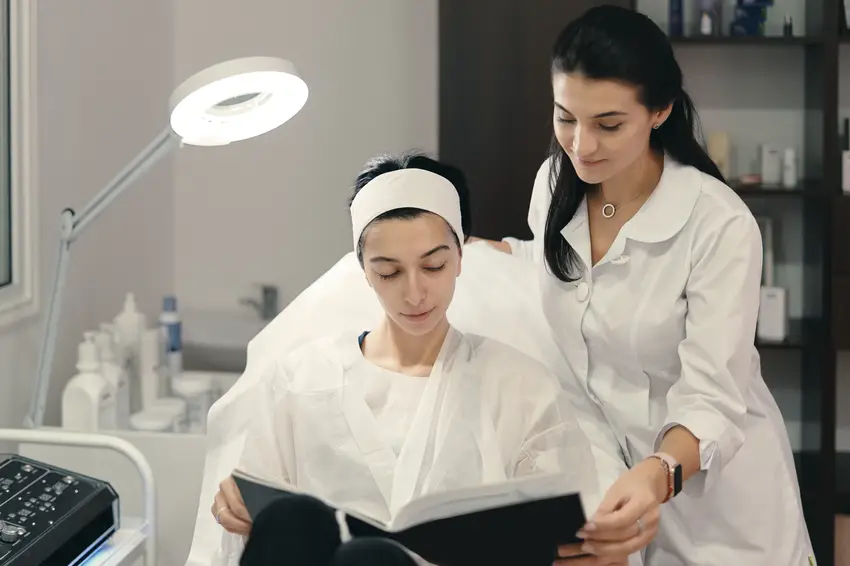
Did you know?
Many states require esthetician licenses or specific certifications to provide skincare consultations, so understanding local regulations is essential for legal practice.
At a glance
Typical average pay
$43,400 Avg/yr
Growth
Fast growing
Top skill
Speaking
Things to consider
Client Relationship Building
Success depends heavily on establishing trust and rapport with clients, as skincare is a personal and ongoing commitment requiring consistent follow-up.
Continuous Product and Trend Education
The skincare industry evolves rapidly with new ingredients and technologies, requiring ongoing education to provide current and effective recommendations.
Key responsibilities
Tint eyelashes and eyebrows.
Apply chemical peels to reduce fine lines and age spots.
Collaborate with plastic surgeons and dermatologists to provide patients with preoperative and postoperative skin care.
Keep records of client needs and preferences and the services provided.
Treat the facial skin to maintain and improve its appearance, using specialized techniques and products, such as peels and masks.