Sound Engineering Technicians
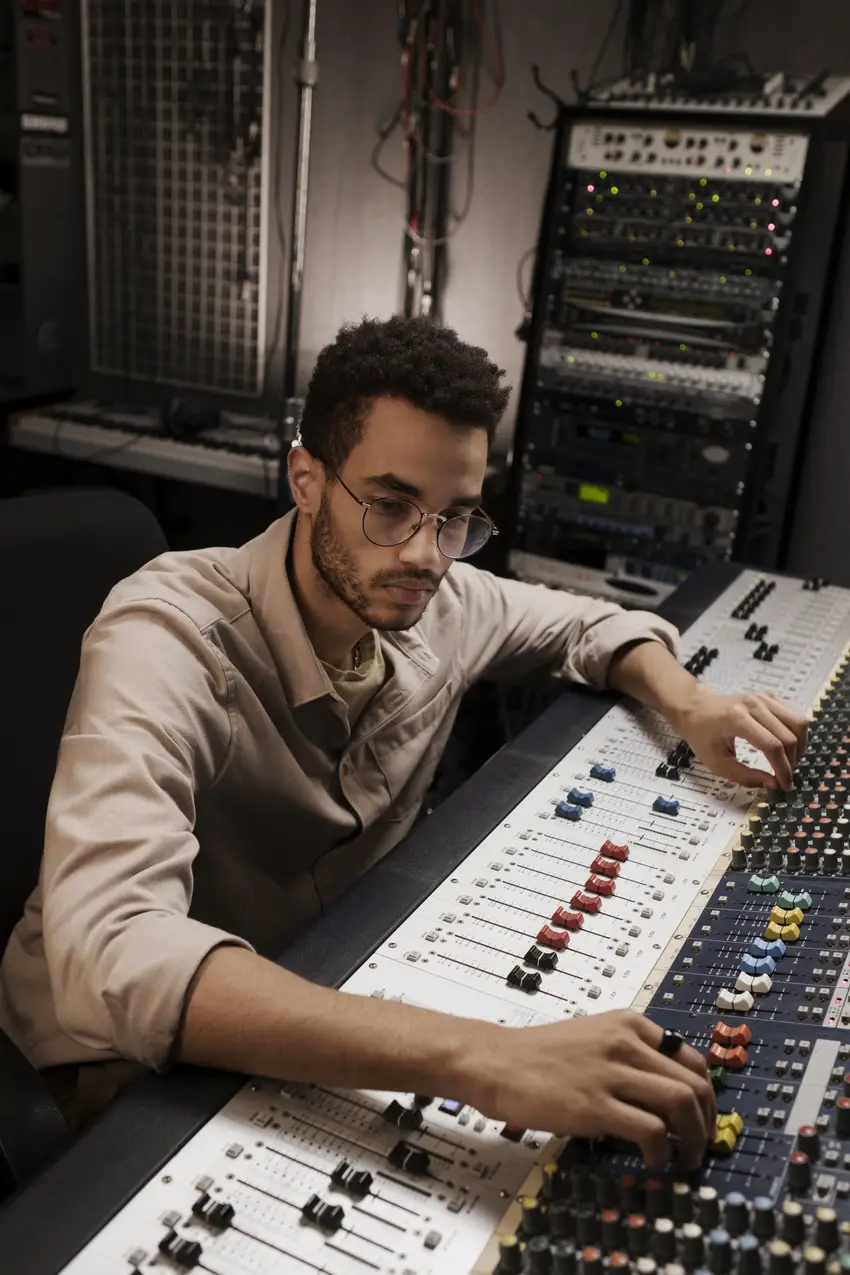
Sound engineering technicians are the tech wizards behind your favorite movies, TV shows, concerts, and recordings. They set up and operate all the audio, video, and lighting equipment that makes entertainment come to life, from converting old recordings to digital formats using computer software to synchronizing dialogue with action in films. These professionals work in exciting environments like concert venues, movie sets, and recording studios, using cutting-edge digital technology and equipment. The job requires strong technical skills and attention to detail, with opportunities to work on live events and collaborate with creative teams in the entertainment industry.
Did you know?
Sound engineering technicians must stay current with rapidly evolving digital audio technology and software platforms commonly used in American studios and venues.
At a glance
Typical average pay
$64,000 Avg/yr
Growth
Stable
Top skill
Active Listening
Things to consider
Networking and Freelance Work
Success often depends on building strong professional relationships since many positions are project-based or freelance opportunities rather than traditional full-time employment.
Geographic Market Concentration
The highest-paying opportunities are typically concentrated in major entertainment hubs like Los Angeles, Nashville, New York City, and Atlanta.
Key responsibilities
Create musical instrument digital interface programs for music projects, commercials, or film postproduction.
Separate instruments, vocals, and other sounds, and combine sounds during the mixing or postproduction stage.
Confer with producers, performers, and others to determine and achieve the desired sound for a production, such as a musical recording or a film.
Record speech, music, and other sounds on recording media, using recording equipment.
Mix and edit voices, music, and taped sound effects for live performances and for prerecorded events, using sound mixing boards.