Special Effects Artists and Animators
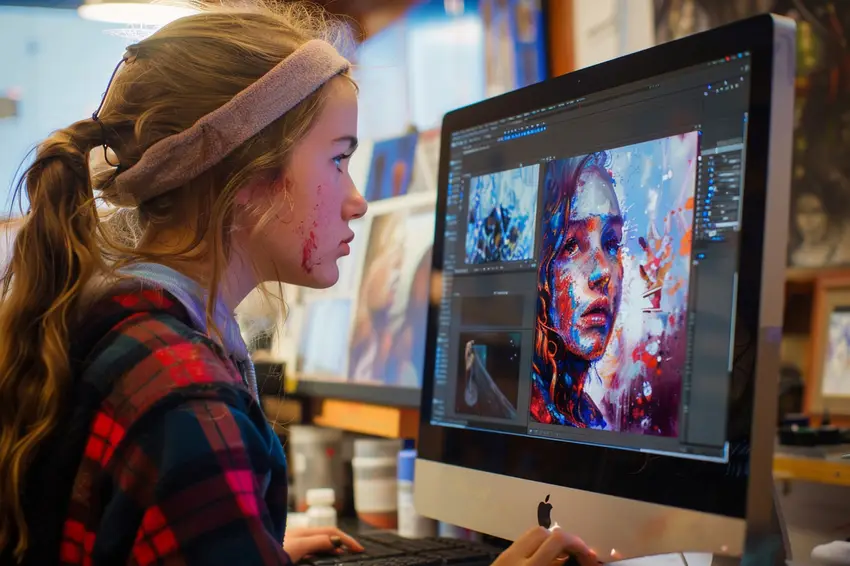
Special Effects Artists and Animators bring imagination to life by creating stunning visual effects and animations for movies, TV shows, video games, and other media using advanced computer software. They work in collaborative teams with directors, game designers, and other artists to research, design, and create realistic 2D and 3D graphics that captivate audiences. The job involves using cutting-edge digital tools to craft everything from explosive action sequences to magical creatures, constantly editing and refining work based on creative feedback. Many professionals in this field combine artistic talent with technical skills, often pursuing degrees in animation, computer graphics, or digital arts.
Did you know?
Special effects artists must constantly update their skills with new software and technologies as the industry rapidly evolves with advancing digital tools and techniques.
At a glance
Typical average pay
$76,600 Avg/yr
Growth
Stable
Top skill
Active Listening
Things to consider
Geographic Concentration
Most opportunities are concentrated in major entertainment hubs like Los Angeles, New York, and Atlanta, often requiring relocation for career advancement.
Portfolio and Networking Importance
Success heavily depends on building a strong demo reel and maintaining industry connections, as many positions are filled through referrals and showcased work quality.
Key responsibilities
Implement and maintain configuration control systems.
Create pen-and-paper images to be scanned, edited, colored, textured, or animated by computer.
Convert real objects to animated objects through modeling, using techniques such as optical scanning.
Use models to simulate the behavior of animated objects in the finished sequence.
Design complex graphics and animation, using independent judgment, creativity, and computer equipment.