Stationary Engineers and Boiler Operators
Overview
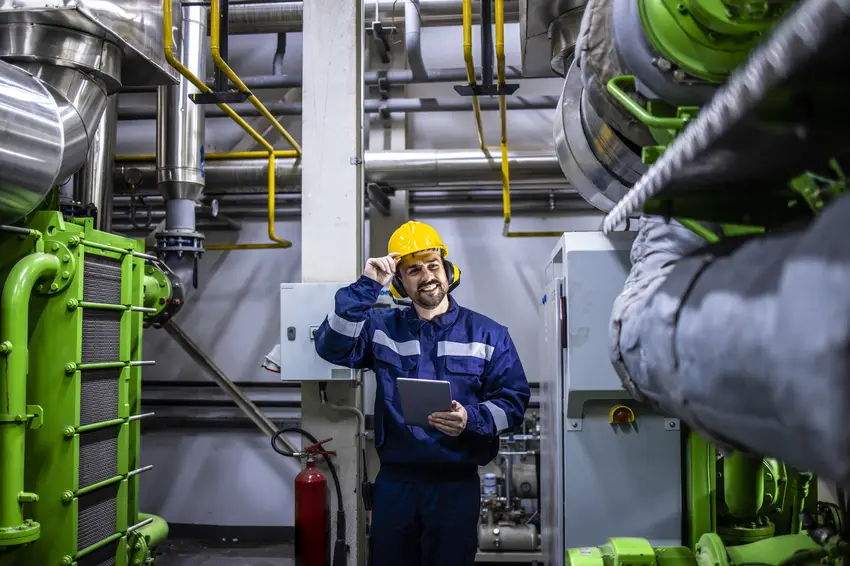
Stationary engineers and boiler operators are the behind-the-scenes heroes who keep buildings running by controlling engines, boilers, and mechanical systems that provide heat, electricity, and other utilities. They monitor digital gauges and computer systems, adjust valves and controls to maintain proper water and fuel levels, and conduct regular safety inspections to ensure everything operates efficiently. This hands-on career combines technical skills with problem-solving, often requiring vocational training or an associate degree in engineering technology. Many professionals in this field work in modern facilities with advanced automated systems and enjoy stable employment in essential infrastructure roles.
Did you know?
Most states require specific certifications for HVAC, electrical, or plumbing work, with ongoing education needed to maintain credentials.
At a Glance
Median Wage
$70,608 Avg/yr
Growth
Stable
Top Skill
Operations Monitoring
Key Responsibilities
- Investigate and report on accidents.
- Check the air quality of ventilation systems and make adjustments to ensure compliance with mandated safety codes.
- Perform or arrange for repairs, such as complete overhauls, replacement of defective valves, gaskets, or bearings, or fabrication of new parts.
- Install burners and auxiliary equipment, using hand tools.
- Contact equipment manufacturers or appropriate specialists when necessary to resolve equipment problems.
- Analyze problems and take appropriate action to ensure continuous and reliable operation of equipment and systems.
- Develop operation, safety, and maintenance procedures or assist in their development.
- Monitor and inspect equipment, computer terminals, switches, valves, gauges, alarms, safety devices, and meters to detect leaks or malfunctions and to ensure that equipment is operating efficiently and safely.
- Weigh, measure, and record fuel used.
- Operate mechanical hoppers and provide assistance in their adjustment and repair.
- Receive instructions from steam engineers regarding steam plant and air compressor operations.
- Provide assistance to plumbers in repairing or replacing water, sewer, or waste lines, and in daily maintenance activities.
- Switch from automatic to manual controls and isolate equipment mechanically and electrically to allow for safe inspection and repair work.
- Operate or tend stationary engines, boilers, and auxiliary equipment, such as pumps, compressors, or air-conditioning equipment, to supply and maintain steam or heat for buildings, marine vessels, or pneumatic tools.
- Supervise the work of assistant stationary engineers, turbine operators, boiler tenders, or air conditioning and refrigeration operators and mechanics.
- Monitor boiler water, chemical, and fuel levels, and make adjustments to maintain required levels.
- Maintain daily logs of operation, maintenance, and safety activities, including test results, instrument readings, and details of equipment malfunctions and maintenance work.
- Ignite fuel in burners, using torches or flames.
- Fire coal furnaces by hand or with stokers and gas- or oil-fed boilers, using automatic gas feeds or oil pumps.
- Test boiler water quality or arrange for testing and take necessary corrective action, such as adding chemicals to prevent corrosion and harmful deposits.
- Activate valves to maintain required amounts of water in boilers, to adjust supplies of combustion air, and to control the flow of fuel into burners.
- Observe and interpret readings on gauges, meters, and charts registering various aspects of boiler operation to ensure that boilers are operating properly.
- Adjust controls and/or valves on equipment to provide power, and to regulate and set operations of system or industrial processes.
- Test electrical systems to determine voltages, using voltage meters.
- Clean and lubricate boilers and auxiliary equipment and make minor adjustments as needed, using hand tools.
Career Considerations
Certification and Licensing Requirements
Most states require specific certifications for HVAC, electrical, or plumbing work, with ongoing education needed to maintain credentials.
Technology Integration and Smart Building Systems
The field is rapidly evolving with IoT sensors, automated systems, and energy management software requiring continuous learning of new technologies.
Career Advancement Opportunities
Progression to facilities manager, building engineer, or specialized technician roles typically requires additional training and experience in project management.