Stone Cutters and Carvers in Manufacturing
Stone cutters and carvers in manufacturing turn rough stone blocks into precise building pieces and detailed artwork for things like monuments, memorials, and architectural decorations. They study sketches, blueprints, and clay or plaster models, then mark designs on stone and use chisels, mallets, pneumatic tools, and sandblasting equipment to cut, shape, and carve exact patterns, letters, and figures. They constantly measure, check depths, and refine surfaces by touch and with special rubbing and dressing tools so the final stonework matches strict design and safety specifications.
Did you know?
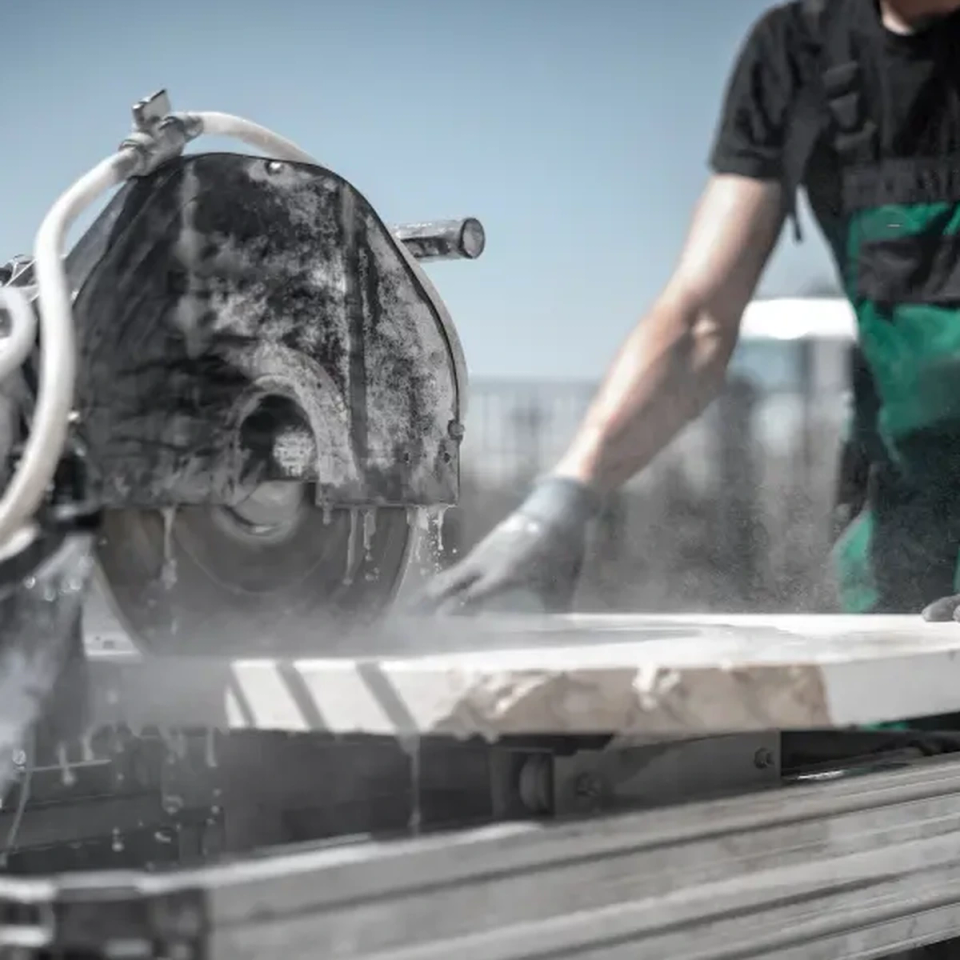
This occupation involves heavy lifting, prolonged standing, and exposure to dust and noise, requiring strict adherence to OSHA safety standards and use of protective equipment.
At a glance
Typical average pay
$45,500 Avg/yr
Growth
Fast growing
Things to consider
Specialized Skills and Training
Workers typically need vocational training or apprenticeships to master stone cutting techniques, tool operation, and blueprint reading skills valued in American manufacturing.
Market Demand Variability
Employment opportunities fluctuate with construction industry cycles and face competition from imported stone products and automated cutting technologies.
Key responsibilities
Move fingers over surfaces of carvings to ensure smoothness of finish.
Lay out designs or dimensions from sketches or blueprints on stone surfaces, freehand or by transferring them from tracing paper, using scribes or chalk and measuring instruments.
Carve designs or figures in full or bas relief on stone, employing knowledge of stone carving techniques and sense of artistry to produce carvings consistent with designers' plans.
Dress stone surfaces, using bushhammers.
Shape, trim, or touch up roughed-out designs with appropriate tools to finish carvings.