Subway and Streetcar Operators
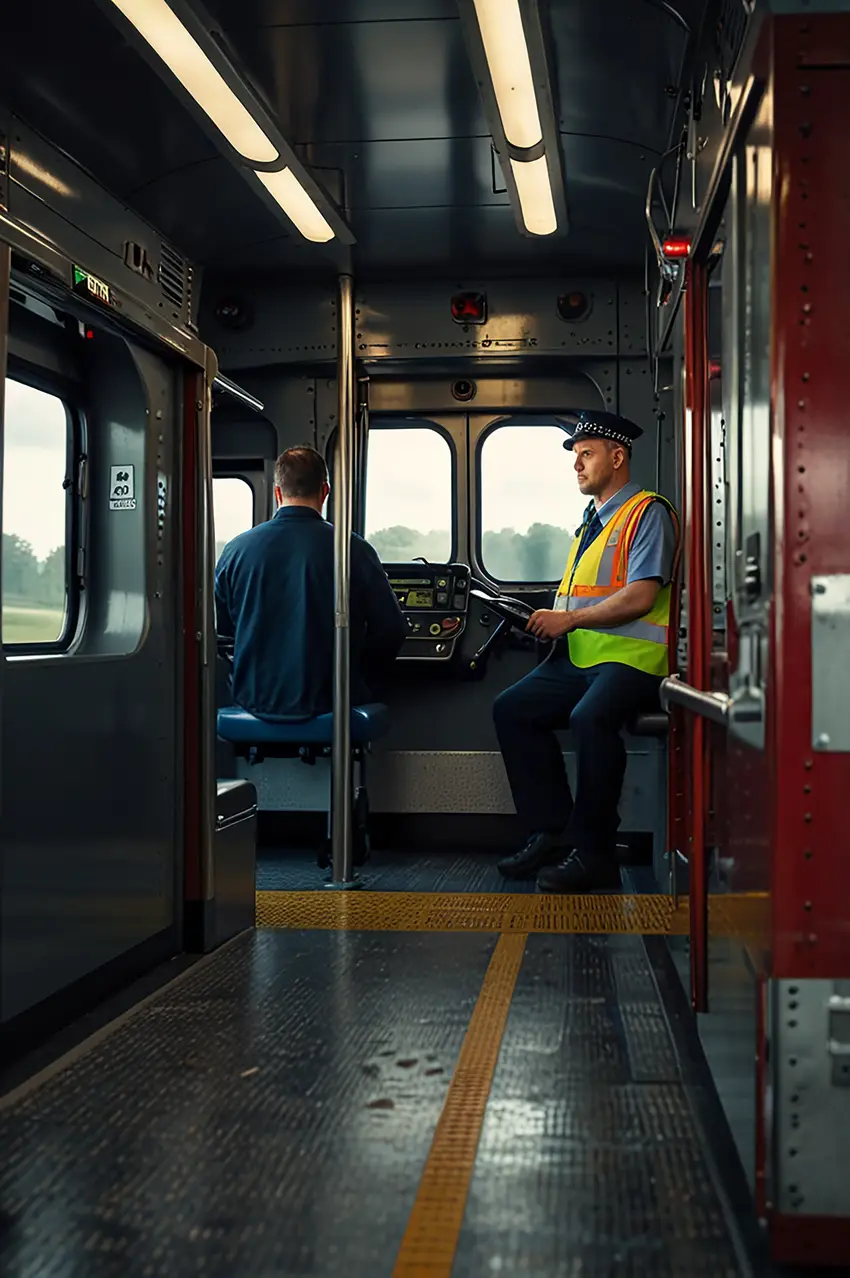
Subway and streetcar operators drive electric trains and streetcars that carry thousands of passengers every day through cities. They use advanced control systems to safely operate vehicles, monitor traffic signals and safety lights, and communicate with dispatchers using radio systems. These operators also serve as the main point of contact for passengers, making announcements, collecting fares, providing route information, and leading emergency evacuations when needed. The job requires strong multitasking abilities, attention to detail, and excellent customer service skills, with most operators receiving on-the-job training from transit agencies.
Did you know?
Train operators must obtain FRA certification and complete extensive safety training programs mandated by federal regulations.
At a glance
Typical average pay
$71,200 Avg/yr
Growth
Stable
Top skill
Operations Monitoring
Things to consider
Irregular Work Schedules
The position typically involves shift work, weekends, holidays, and being on-call, which can significantly impact work-life balance.
Industry Stability and Automation
While freight rail remains essential to American commerce, technological advances and automation may affect long-term job prospects in passenger rail operations.
Key responsibilities
Attend meetings on driver and passenger safety to learn ways in which job performance might be affected.
Report delays, mechanical problems, and emergencies to supervisors or dispatchers, using radios.
Complete reports, including shift summaries and incident or accident reports.
Make announcements to passengers, such as notifications of upcoming stops or schedule delays.
Direct emergency evacuation procedures.