Surgical Technologists
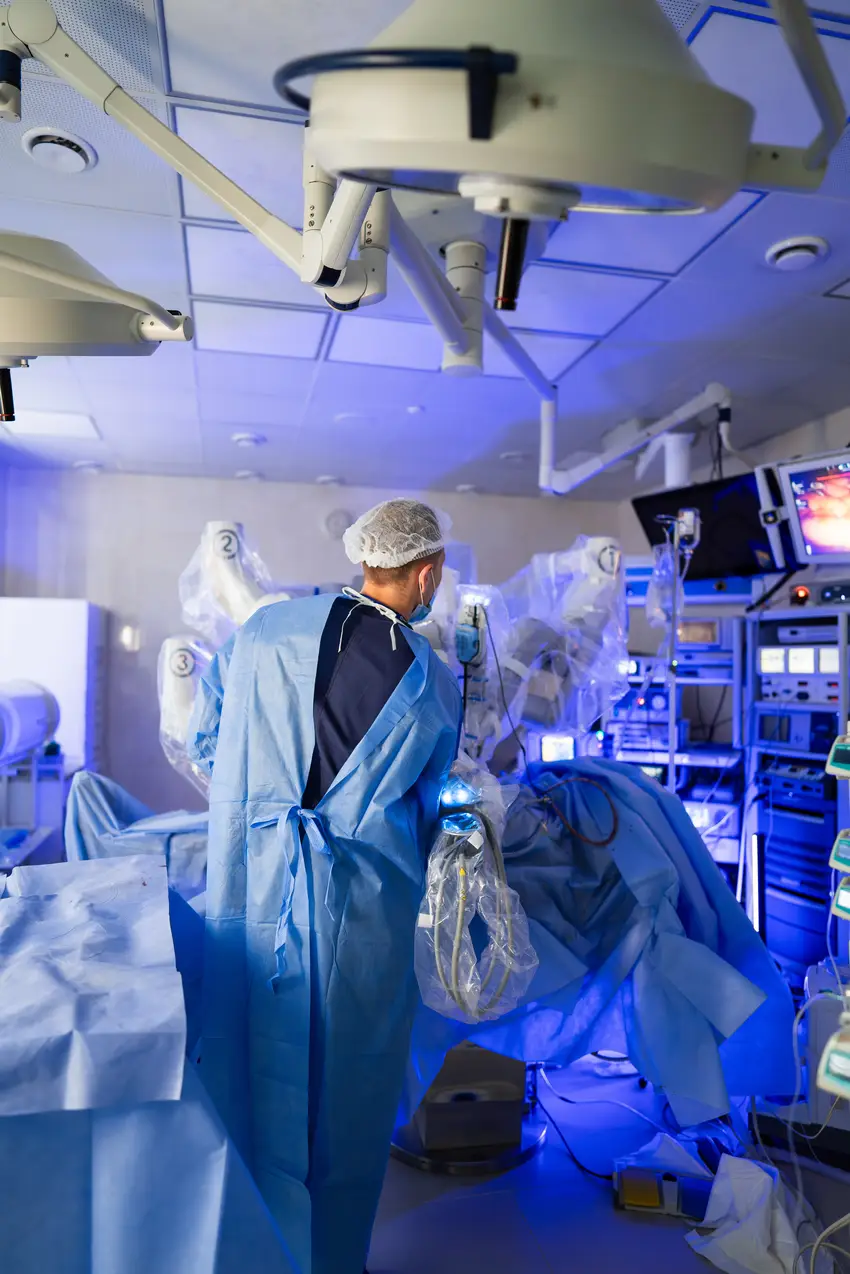
Surgical technologists are the behind-the-scenes heroes who make surgeries possible by preparing operating rooms and ensuring everything runs smoothly. They sterilize equipment, set up surgical instruments, help prepare patients for surgery, and assist surgeons by handing them the right tools at the right moment. This job requires attention to detail, the ability to work under pressure, and strong teamwork skills as you collaborate closely with surgeons, nurses, and other medical staff. Most surgical technologists complete a certificate or associate degree program and work in hospitals, outpatient surgery centers, or specialty clinics.
Did you know?
Most states require completion of an accredited surgical technology program and certification through organizations like NBSTSA, with ongoing continuing education to maintain credentials.
At a glance
Typical average pay
$63,500 Avg/yr
Growth
Fast growing
Top skill
Monitoring
Things to consider
Physical and Emotional Demands
The role involves long periods of standing, working in high-stress surgical environments, and maintaining sterile conditions while assisting with life-critical procedures.
Strong Job Growth Prospects
The Bureau of Labor Statistics projects faster-than-average job growth for surgical technologists due to an aging population and increased demand for surgical procedures in American healthcare.
Key responsibilities
Provide technical assistance to surgeons, surgical nurses, or anesthesiologists.
Maintain supply of fluids, such as plasma, saline, blood, or glucose, for use during operations.
Clean and restock operating room, gathering and placing equipment and supplies and arranging instruments according to instructions, such as a preference card.
Scrub arms and hands and assist the surgical team to scrub and put on gloves, masks, and surgical clothing.
Prepare dressings or bandages and apply or assist with their application following surgery.