Tank Car, Truck, and Ship Loaders
Tank car, truck, and ship loaders move massive amounts of materials like chemicals, coal, and grain between different types of transportation vehicles using specialized equipment and computer systems. You'll operate pumps, conveyors, and loading equipment while working as part of a team to ensure products flow safely and efficiently. This job requires strong attention to detail for recording data, checking weights, and testing for leaks to maintain safety standards. Many loaders work in industrial facilities where they coordinate with other workers and use both manual skills and modern technology to handle millions of tons of cargo each year.
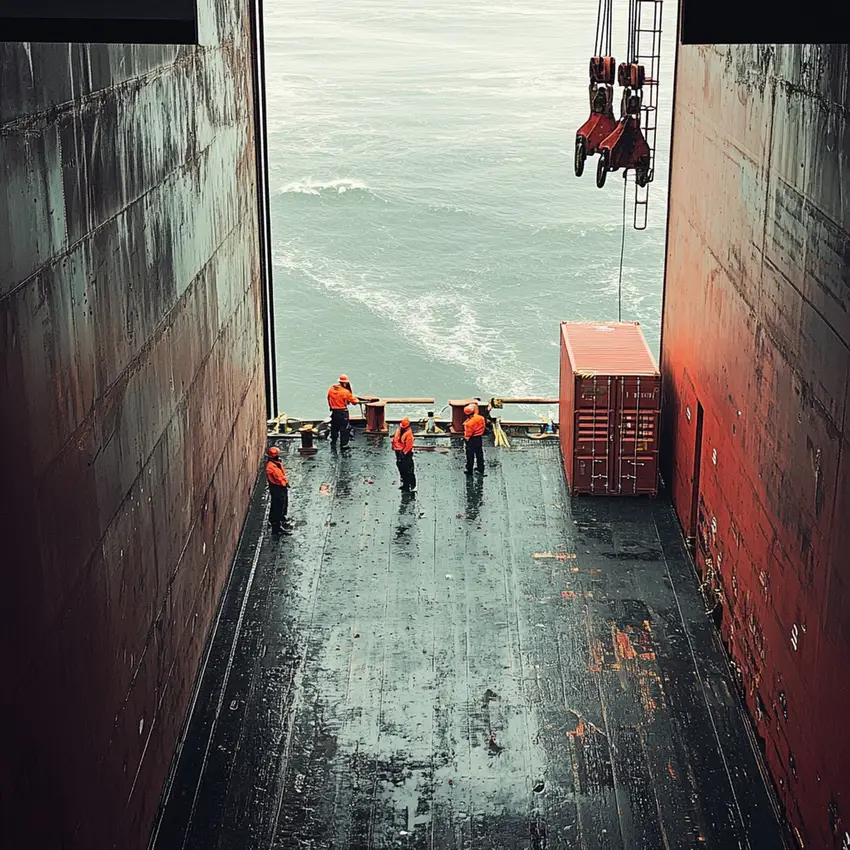
Did you know?
Workers must complete extensive safety training and maintain certifications to comply with OSHA and DOT regulations when handling hazardous materials and operating loading equipment.
At a glance
Typical average pay
$57,000 Avg/yr
Growth
Fast growing
Top skill
Operations Monitoring
Things to consider
Physical Demands and Working Conditions
The job requires significant physical strength and stamina, with work often performed outdoors in various weather conditions and potentially hazardous environments.
Economic Sensitivity and Job Stability
Employment opportunities are closely tied to manufacturing, shipping, and logistics sectors, making positions vulnerable to economic downturns and industry fluctuations.
Key responsibilities
Observe positions of cars passing loading spouts, and swing spouts into the correct positions at the appropriate times.
Operate ship loading and unloading equipment, conveyors, hoists, and other specialized material handling equipment such as railroad tank car unloading equipment.
Copy and attach load specifications to loaded tanks.
Lower gauge rods into tanks or read meters to verify contents, temperatures, and volumes of liquid loads.
Monitor product movement to and from storage tanks, coordinating activities with other workers to ensure constant product flow.