Television, Video, and Film Camera Operators
Overview
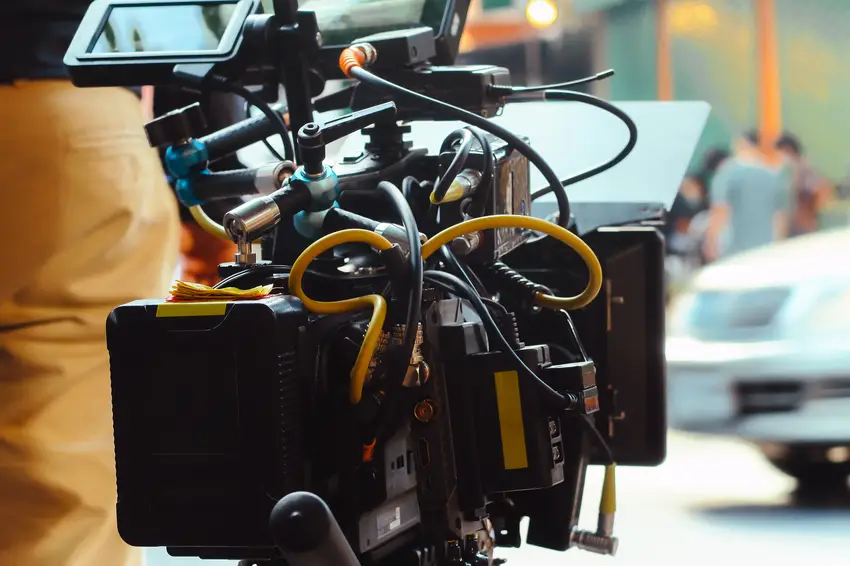
Camera operators capture all the visual content you see on TV shows, movies, commercials, and streaming platforms by operating professional cameras and equipment. They work closely with directors and technical teams to set up shots, adjust lighting and camera settings, and ensure every scene looks perfect. Using advanced digital cameras, editing software, and live broadcasting technology, they bring stories to life through creative camera work. Many camera operators start with film school or hands-on training and often work in collaborative, fast-paced environments that can include both studio work and on-location filming.
Did you know?
Most high-paying positions are concentrated in major entertainment hubs like Los Angeles, New York City, and Atlanta, requiring potential relocation or extensive travel.
At a Glance
Median Wage
$58,109.57 Avg/yr
Growth
Stable
Top Skill
Speaking
Key Responsibilities
- Set up and perform live shots for broadcast.
- Adjust positions and controls of cameras, printers, and related equipment to change focus, exposure, and lighting.
- Test, clean, maintain, and repair broadcast equipment, including testing microphones, to ensure proper working condition.
- Operate zoom lenses, changing images according to specifications and rehearsal instructions.
- Instruct camera operators regarding camera setups, angles, distances, movement, and variables and cues for starting and stopping filming.
- Confer with directors, sound and lighting technicians, electricians, and other crew members to discuss assignments and determine filming sequences, desired effects, camera movements, and lighting requirements.
- Write new scripts for broadcasts.
- Set up cameras, optical printers, and related equipment to produce photographs and special effects.
- Edit video for broadcast productions, including non-linear editing.
- Read charts and compute ratios to determine variables such as lighting, shutter angles, filter factors, and camera distances.
- Read and analyze work orders and specifications to determine locations of subject material, work procedures, sequences of operations, and machine setups.
- Set up and operate electric news gathering (ENG) microwave vehicles to gather and edit raw footage on location to send to television affiliates for broadcast.
- View films to resolve problems of exposure control, subject and camera movement, changes in subject distance, and related variables.
- Use cameras in any of several different camera mounts, such as stationary, track-mounted, or crane-mounted.
- Assemble studio sets and select and arrange cameras, film stock, audio, or lighting equipment to be used during filming.
- Stay current with new technologies in the field by reading trade magazines.
- Compose and frame each shot, applying the technical aspects of light, lenses, film, filters, and camera settings to achieve the effects sought by directors.
- Operate television or motion picture cameras to record scenes for television broadcasts, advertising, or motion pictures.
- Observe sets or locations for potential problems and to determine filming and lighting requirements.
- Direct studio productions.
- Design graphics for studio productions.
Career Considerations
Geographic Concentration of Opportunities
Most high-paying positions are concentrated in major entertainment hubs like Los Angeles, New York City, and Atlanta, requiring potential relocation or extensive travel.
Rapid Technological Evolution
The field requires continuous learning and adaptation to new camera technologies, digital formats, and production techniques to remain competitive.
Irregular Work Schedules and Project-Based Employment
Many positions involve freelance work with long hours, weekend shoots, and periods of unemployment between projects, making financial planning challenging.