
Textile Spinning Machine Operators

Overview

Textile spinning machine operators run specialized machines that wind, twist, and combine different fibers like cotton, wool, or synthetic materials to create threads and yarns. You'll thread materials through complex machinery, monitor operations for quality, and make adjustments to ensure products meet exact specifications. This hands-on role involves working with precision equipment and requires attention to detail as you inspect materials and troubleshoot any machine issues. Many operators work in modern manufacturing facilities that emphasize teamwork and continuous learning of new textile technologies.
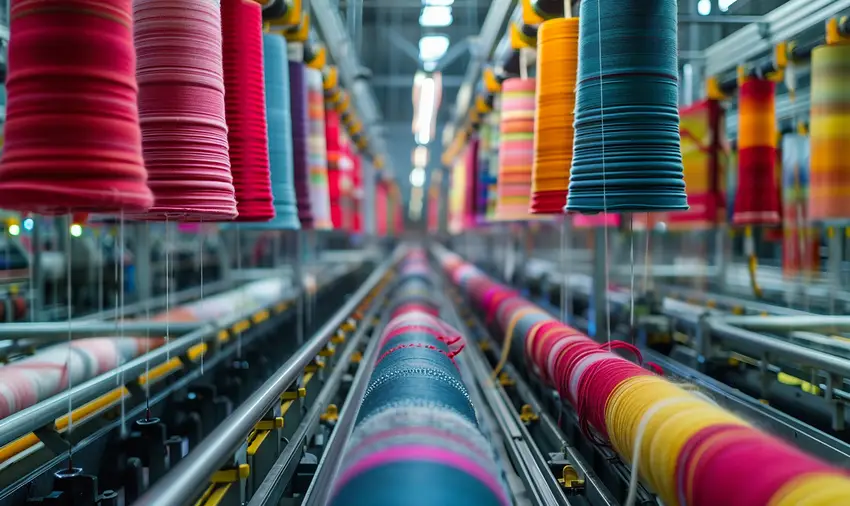
Textile Spinning Machine Operators

Did you know?

The American textile manufacturing industry has significantly declined due to overseas competition, resulting in fewer available positions and potential plant closures.

At a Glance

Median Wage

$37,776.36 Avg/yr

Growth

Stable

Top Skill

Writing

Key Responsibilities

  • Study guides, samples, charts, and specification sheets, or confer with supervisors or engineering staff to determine setup requirements.
  • Replace depleted supply packages with full packages.
  • Start machines, monitor operation, and make adjustments as needed.
  • Tend machines that twist together two or more strands of yarn or insert additional twists into single strands of yarn to increase strength, smoothness, or uniformity of yarn.
  • Clean, oil, and lubricate machines, using air hoses, cleaning solutions, rags, oilcans, and grease guns.
  • Thread yarn, thread, or fabric through guides, needles, and rollers of machines.
  • Measure bobbins periodically, using gauges, and turn screws to adjust tension if bobbins are not of specified size.
  • Notify supervisors or mechanics of equipment malfunctions.
  • Remove spindles from machines and bobbins from spindles.
  • Tend machines with multiple winding units that wind thread onto shuttle bobbins for use on sewing machines or other kinds of bobbins for sole-stitching, knitting, or weaving machinery.
  • Stop machines when specified amount of products has been produced.
  • Inspect machinery to determine whether repairs are needed.
  • Record production data such as numbers and types of bobbins wound.
  • Inspect products to verify that they meet specifications and to determine whether machine adjustment is needed.
  • Observe bobbins as they are winding and cut threads to remove loaded bobbins, using knives.
  • Install, level, and align machine components such as gears, chains, guides, dies, cutters, or needles to set up machinery for operation.
  • Observe operations to detect defects, malfunctions, or supply shortages.
  • Repair or replace worn or defective parts or components, using hand tools.
  • Operate machines for test runs to verify adjustments and to obtain product samples.
  • Unwind lengths of yarn, thread, or twine from spools and wind onto bobbins.
  • Place bobbins on spindles and insert spindles into bobbin-winding machines.
  • Adjust machine settings such as speed or tension to produce products that meet specifications.
  • Tend spinning frames that draw out and twist roving or sliver into yarn.

Career Considerations

Limited Job Market

The American textile manufacturing industry has significantly declined due to overseas competition, resulting in fewer available positions and potential plant closures.

Physical Demands and Safety

This role requires standing for long periods, operating heavy machinery, and following strict safety protocols to prevent workplace injuries in industrial environments.

Technical Skills Development

Success requires learning to operate computerized textile equipment and staying current with technological advances to remain competitive in the evolving manufacturing landscape.

Want to dig deeper?

Talk to blinky to learn more.

Start chatting
BETA
New York

25 Kent Ave, Suite 401
Brooklyn, NY
11249


North Carolina

204 N Person
Street. Raleigh, NC
27601

Australia

Level 4/80
Wentworth Ave,
Surry Hills,
Sydney, 2010