Theatrical Makeup Artists
Overview
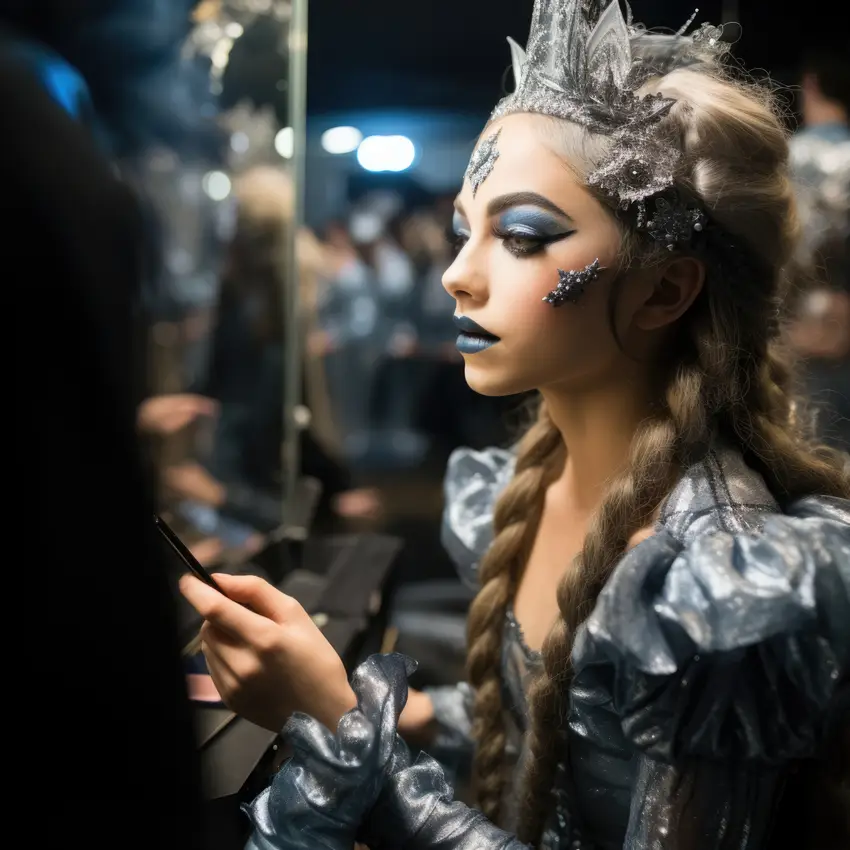
Theatrical makeup artists transform actors into their characters by applying specialized makeup for plays, movies, and TV shows. They analyze scripts to understand how each character should look in different scenes, then use professional makeup techniques to create everything from natural looks to fantasy creatures. Using digital color-matching tools and traditional makeup skills, they work closely with directors and costume designers to bring stories to life. Many start with cosmetology training or theater arts programs and often work in collaborative, creative environments.
Did you know?
Many US states require makeup artists to obtain cosmetology licenses or specific certifications, with requirements varying significantly by state.
At a Glance
Median Wage
$93,130 Avg/yr
Growth
Fast Growing
Top Skill
Operations Monitoring
Key Responsibilities
- Examine sketches, photographs, and plaster models to obtain desired character image depiction.
- Assess performers' skin type to ensure that makeup will not cause break-outs or skin irritations.
- Create character drawings or models, based upon independent research, to augment period production files.
- Establish budgets, and work within budgetary limits.
- Duplicate work precisely to replicate characters' appearances on a daily basis.
- Confer with stage or motion picture officials and performers to determine desired effects.
- Demonstrate products to clients, and provide instruction in makeup application.
- Select desired makeup shades from stock, or mix oil, grease, and coloring to achieve specific color effects.
- Provide performers with makeup removal assistance after performances have been completed.
- Cleanse and tone the skin to prepare it for makeup application.
- Evaluate environmental characteristics, such as venue size and lighting plans, to determine makeup requirements.
- Alter or maintain makeup during productions as necessary to compensate for lighting changes or to achieve continuity of effect.
- Study production information, such as character descriptions, period settings, and situations, to determine makeup requirements.
- Clean supplies such as makeup brushes.
- Advise hairdressers on the hairstyles required for character parts.
- Write makeup sheets and take photos to document specific looks and the products used to achieve the looks.
- Apply makeup to enhance or alter the appearance of people appearing in productions such as movies.
- Analyze a script, noting events that affect each character's appearance, so that plans can be made for each scene.
- Design rubber or plastic prostheses that can be used to change performers' appearances.
- Attach prostheses to performers and apply makeup to create special features or effects, such as scars, aging, or illness.
- Requisition or acquire needed materials for special effects, including wigs, beards, and special cosmetics.
- Wash and reset wigs.
Career Considerations
Licensing and State Regulations
Many US states require makeup artists to obtain cosmetology licenses or specific certifications, with requirements varying significantly by state.
Competitive Market and Networking
The American beauty industry is highly competitive, requiring strong networking skills and portfolio development to secure clients in major markets like Los Angeles and New York.
Diverse Career Pathways
The US market offers varied opportunities from bridal and special event makeup to film/TV, fashion, and social media content creation.