Tool and Die Makers
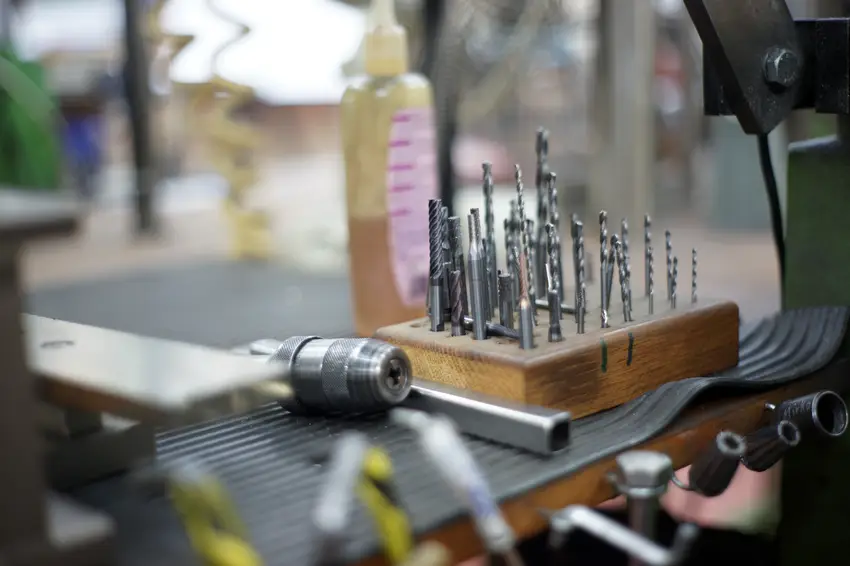
Tool and die makers create the precision metal parts and tools that help manufacture everything from car parts to smartphone components. They use high-tech computer-controlled machines like lathes and milling machines, along with traditional hand tools, to shape metal with incredible accuracy. These skilled craftspeople read blueprints, run quality tests, and make adjustments to ensure every part meets exact specifications. It's a hands-on career that combines technical skills with problem-solving, often in collaborative manufacturing environments where precision and attention to detail are essential.
Did you know?
Most tool and die makers in the US complete a 4-year apprenticeship program or technical school training, often requiring strong math and mechanical skills.
At a glance
Typical average pay
$63,500 Avg/yr
Growth
Stable
Top skill
Operation and Control
Things to consider
Manufacturing Industry Demand
Employment opportunities are closely tied to US manufacturing activity, with demand varying by region and economic cycles affecting automotive, aerospace, and other manufacturing sectors.
Competitive Compensation Potential
Tool and die makers typically earn above-average wages in the US, with experienced professionals often commanding salaries of $50,000-$80,000+ annually depending on location and specialization.
Key responsibilities
Inspect finished dies for smoothness, contour conformity, and defects.
Smooth and polish flat and contoured surfaces of parts or tools, using scrapers, abrasive stones, files, emery cloths, or power grinders.
Study blueprints, sketches, models, or specifications to plan sequences of operations for fabricating tools, dies, or assemblies.
Cut, shape, and trim blanks or blocks to specified lengths or shapes, using power saws, power shears, rules, and hand tools.
Verify dimensions, alignments, and clearances of finished parts for conformance to specifications, using measuring instruments such as calipers, gauge blocks, micrometers, or dial indicators.