Tool Grinders, Filers, and Sharpeners
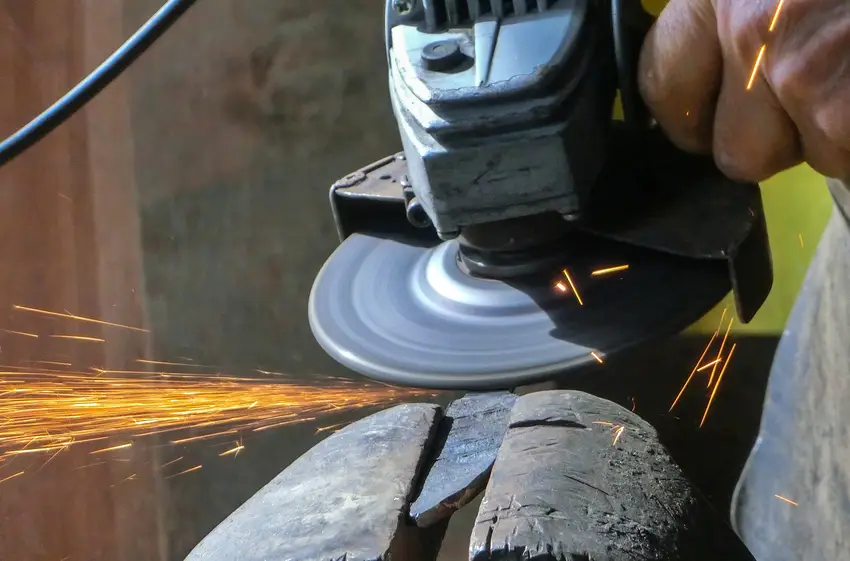
Tool grinders work with precision machines and hand tools to sharpen, smooth, and polish metal parts like cutting tools and machine components. You'll operate specialized grinding equipment, carefully measure workpieces to ensure they meet exact specifications, and perform quality inspections using digital measuring tools. This hands-on job combines technical skills with attention to detail, and many professionals work in modern manufacturing facilities that use computer-controlled machinery alongside traditional techniques. The role requires mechanical aptitude and can be learned through vocational training or apprenticeships.
Did you know?
Most tool sharpening specialists in America operate as independent contractors or small business owners, requiring strong customer service and business management skills alongside technical expertise.
At a glance
Typical average pay
$48,900 Avg/yr
Growth
Stable
Top skill
Operations Monitoring
Things to consider
Specialized Skill Development
Success requires mastering various sharpening techniques for different tool types and materials, often learned through hands-on experience and continuous practice with evolving tool technologies.
Competition from Modern Alternatives
Traditional sharpening services face competition from disposable tools and DIY sharpening systems, making it essential to emphasize quality, convenience, and specialized expertise to maintain market relevance.
Key responsibilities
Monitor machine operations to determine whether adjustments are necessary, stopping machines when problems occur.
Remove finished workpieces from machines and place them in boxes or on racks, setting aside pieces that are defective.
Remove and replace worn or broken machine parts, using hand tools.
Inspect dies to detect defects, assess wear, and verify specifications, using micrometers, steel gauge pins, and loupes.
Select and mount grinding wheels on machines, according to specifications, using hand tools and applying knowledge of abrasives and grinding procedures.