
Traffic Technicians

Overview

Traffic technicians are the data detectives behind smooth traffic flow in your city. They spend time in the field measuring how fast cars move, counting vehicles, and studying traffic patterns to figure out where problems occur. Using computer software and drafting tools, they create detailed reports and design solutions like new traffic signals or speed limits that help reduce delays and accidents. They work closely with traffic engineers and often interact with community members to address traffic concerns and explain new traffic control measures.
Traffic Technicians

Did you know?

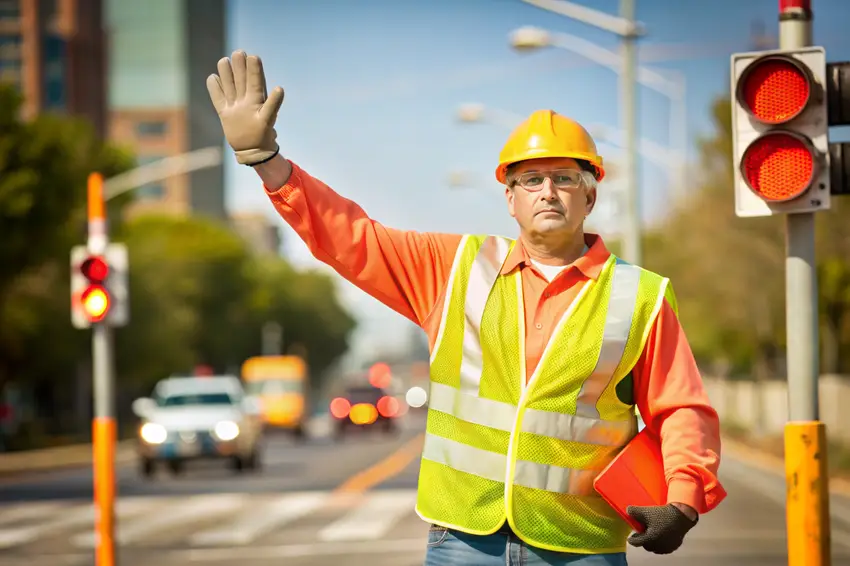
Traffic technicians must work in hazardous roadside environments requiring strict adherence to safety protocols and physical stamina for outdoor work in all weather conditions.

At a Glance

Median Wage

$56,872.29 Avg/yr

Growth

Fast Growing

Top Skill

Time Management

Key Responsibilities

  • Develop plans or long-range strategies for providing adequate parking space.
  • Monitor street or utility projects for compliance to traffic control permit conditions.
  • Visit development or work sites to determine projects' effect on traffic and the adequacy of traffic control and safety plans or to suggest traffic control measures.
  • Gather and compile data from hand count sheets, machine count tapes, or radar speed checks and code data for computer input.
  • Compute time settings for traffic signals or speed restrictions, using standard formulas.
  • Study factors affecting traffic conditions, such as lighting or sign and marking visibility, to assess their effectiveness.
  • Maintain or make minor adjustments or field repairs to equipment used in surveys, including the replacement of parts on traffic data gathering devices.
  • Prepare work orders for repair, maintenance, or changes in traffic systems.
  • Lay out pavement markings for striping crews.
  • Prepare graphs, charts, diagrams, or other aids to illustrate observations or conclusions.
  • Operate counters and record data to assess the volume, type, and movement of vehicular or pedestrian traffic at specified times.
  • Study traffic delays by noting times of delays, the numbers of vehicles affected, and vehicle speed through the delay area.
  • Measure and record the speed of vehicular traffic, using electrical timing devices or radar equipment.
  • Place and secure automatic counters, using power tools, and retrieve counters after counting periods end.
  • Establish procedures for street closures or for repair or construction projects.
  • Review traffic control or barricade plans to issue permits for parades or other special events or for construction work that affects rights of way, providing assistance with plan preparation or revision, as necessary.
  • Plan, design, and improve components of traffic control systems to accommodate current or projected traffic and to increase usability and efficiency.
  • Prepare drawings of proposed signal installations or other control devices, using drafting instruments or computer-automated drafting equipment.
  • Provide technical supervision regarding traffic control devices to other traffic technicians or laborers.
  • Time stoplights or other delays, using stopwatches.
  • Provide traffic information, such as road conditions, to the public.
  • Analyze data related to traffic flow, accident rates, or proposed development to determine the most efficient methods to expedite traffic flow.
  • Interact with the public to answer traffic-related questions, respond to complaints or requests, or discuss traffic control ordinances, plans, policies, or procedures.

Career Considerations

Safety and Physical Demands

Traffic technicians must work in hazardous roadside environments requiring strict adherence to safety protocols and physical stamina for outdoor work in all weather conditions.

Technical Certification Requirements

The role increasingly requires specialized training and certifications in electronic systems, traffic signal technology, and emerging smart traffic management systems.

Stable Employment Outlook

Job security is generally strong due to America's ongoing infrastructure maintenance needs and the expansion of traffic control systems in growing urban areas.

Want to dig deeper?

Talk to blinky to learn more.

Start chatting
BETA
New York

25 Kent Ave, Suite 401
Brooklyn, NY
11249


North Carolina

204 N Person
Street. Raleigh, NC
27601

Australia

Level 4/80
Wentworth Ave,
Surry Hills,
Sydney, 2010