Transportation Electronics Technicians
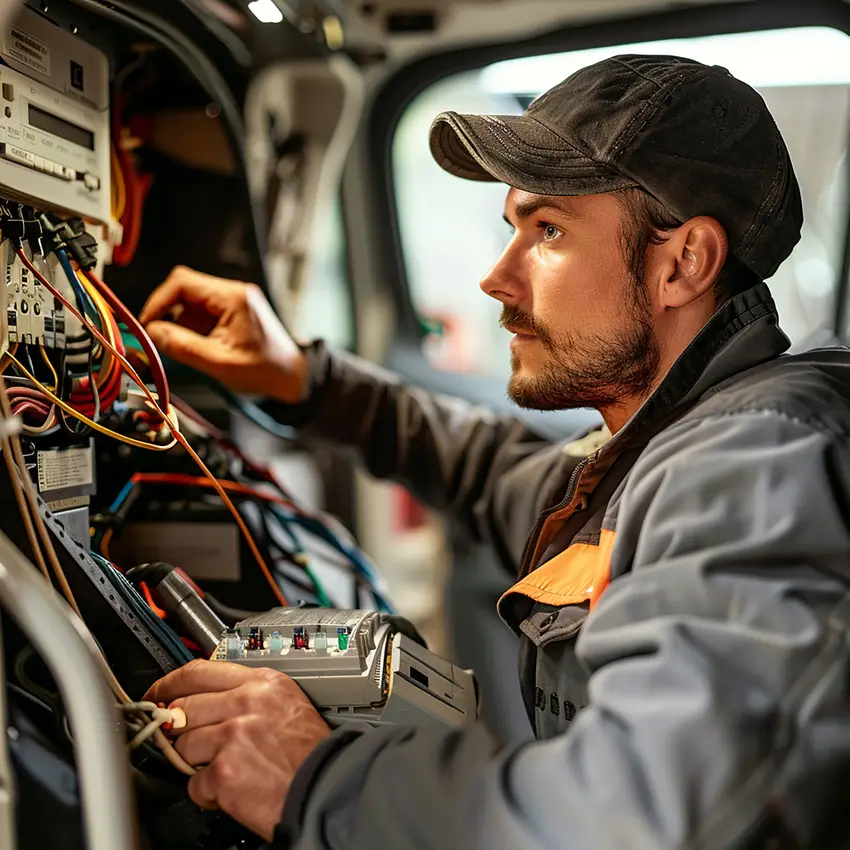
Transportation electronics technicians install, repair, and maintain electronic systems on trains, boats, and other vehicles, including communication equipment, navigation systems, and security devices. They diagnose problems using specialized diagnostic tools, replace faulty components, and test systems to ensure everything works properly. This hands-on career combines technical problem-solving skills with knowledge of cutting-edge electronics, and technicians often work in diverse environments from repair shops to vehicle maintenance facilities. The role requires attention to detail for keeping repair records and strong communication skills when working with customers to understand equipment issues.
Did you know?
Many positions require specialized certifications such as FAA licensing for aircraft systems or FRA certification for railroad equipment, which involve rigorous training and testing processes.
At a glance
Typical average pay
$74,700 Avg/yr
Growth
Fast growing
Top skill
Critical Thinking
Things to consider
Safety and Regulatory Compliance
Workers must adhere to strict federal safety regulations and industry standards due to the critical nature of transportation systems and potential public safety implications.
Technological Advancement and Continuous Learning
The field requires ongoing education to keep pace with rapidly evolving technologies including electric vehicle systems, automated transportation, and advanced diagnostic equipment.
Key responsibilities
Measure, cut, and install frameworks and conduit to support and connect wiring, control panels, and junction boxes, using hand tools.
Adjust, repair, or replace defective wiring and relays in ignition, lighting, air-conditioning, and safety control systems, using electrician's tools.
Cut openings and drill holes for fixtures, outlet boxes, and fuse holders, using electric drills and routers.
Confer with customers to determine the nature of malfunctions.
Repair or rebuild equipment such as starters, generators, distributors, or door controls, using electrician's tools.