Transportation Inspectors
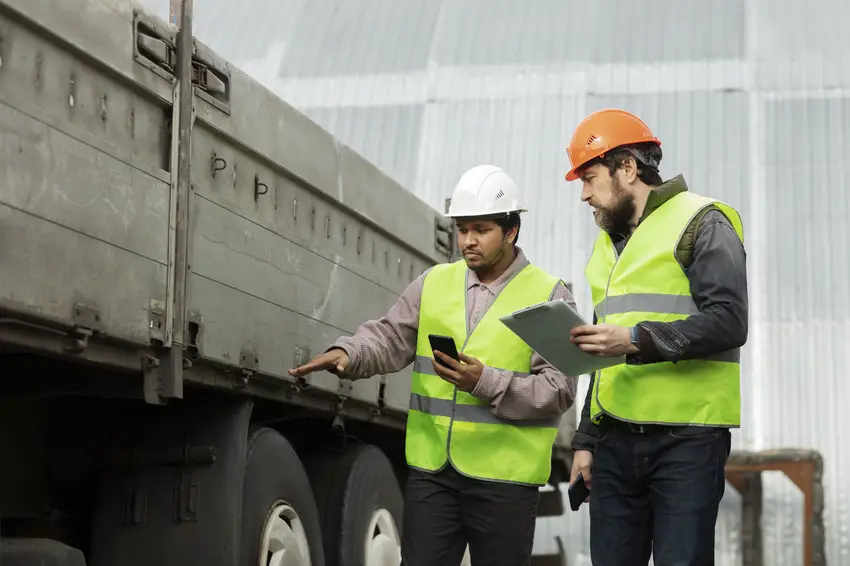
Transportation inspectors make sure trains, trucks, and other vehicles are safe for moving people and cargo. They check equipment for problems, investigate accidents, monitor how well employees are doing their jobs, and write detailed reports about their findings. Using digital inspection tools and safety databases, they work closely with transportation teams to prevent accidents and keep schedules on track. This career requires strong attention to detail and often involves travel to different transportation hubs and facilities.
Did you know?
Most transportation inspector positions require specific federal certifications from agencies like the FAA, DOT, or FRA, which involve rigorous training and ongoing education requirements.
At a glance
Typical average pay
$82,600 Avg/yr
Growth
Stable
Top skill
Critical Thinking
Things to consider
Government Employment Trade-offs
Many inspector roles are government positions offering excellent job security and benefits, but may involve bureaucratic processes and slower career advancement compared to private sector alternatives.
Diverse Specialization Opportunities
The American transportation system offers specialization paths across aviation, maritime, rail, trucking, and public transit sectors, each with distinct regulatory frameworks and career trajectories.
Key responsibilities
Post warning signs on vehicles containing explosives or flammable or radioactive materials.
Measure vessels' holds and depths of fuel and water in tanks, using sounding lines and tape measures.
Recommend remedial procedures to correct any violations found during inspections.
Notify workers of any special treatment required for shipments.
Measure heights and widths of loads to ensure they will pass over bridges or through tunnels on scheduled routes.