Tree Trimmers and Pruners
Overview
Tree trimmers and pruners work outdoors to keep trees healthy and safe by climbing up high to cut away dead or overgrown branches that could interfere with power lines, roads, or buildings. They use specialized climbing gear, chainsaws, and rigging equipment to safely remove branches while inspecting trees for diseases or pest problems. This hands-on career involves training others, transplanting trees, and using cables and braces to support tree structures. Many professionals in this field learn through apprenticeships or vocational programs and enjoy working in teams across different outdoor locations.
Did you know?
Tree care specialists face significant physical challenges and safety hazards including working at heights, operating heavy machinery, and exposure to weather conditions that require excellent physical fitness and strict adherence to safety protocols.
At a Glance
Median Wage
$51,011.22 Avg/yr
Growth
Stable
Top Skill
Judgment and Decision Making
Key Responsibilities
- Plan and develop budgets for tree work, and estimate the monetary value of trees.
- Transplant and remove trees and shrubs, and prepare trees for moving.
- Climb trees, using climbing hooks and belts, or climb ladders to gain access to work areas.
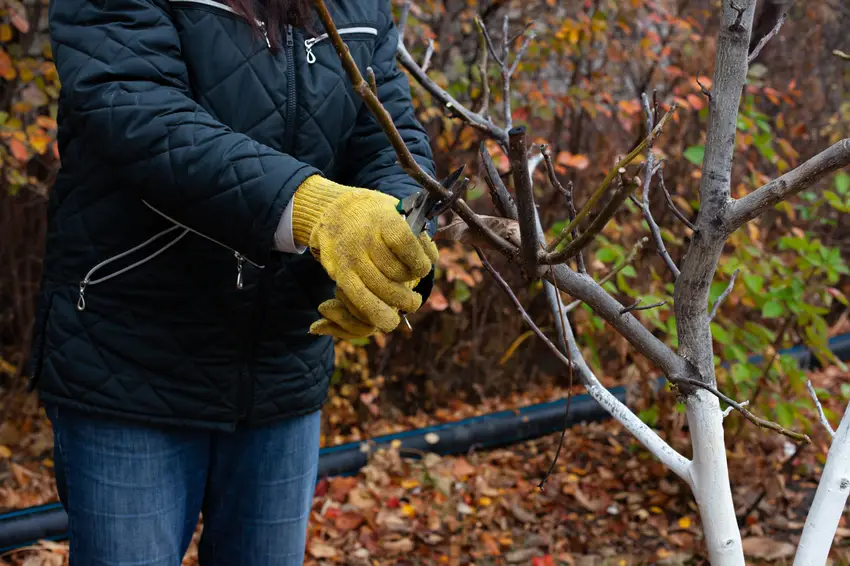
- Cut away dead and excess branches from trees, or clear branches around power lines, using climbing equipment or buckets of extended truck booms, or chainsaws, hooks, handsaws, shears, and clippers.
- Apply tar or other protective substances to cut surfaces or seal surfaces and to protect them from fungi and insects.
- Split logs or wooden blocks into bolts, pickets, posts, or stakes, using hand tools such as ax wedges, sledgehammers, and mallets.
- Spray trees to treat diseased or unhealthy trees, including mixing chemicals and calibrating spray equipment.
- Prune, cut down, fertilize, and spray trees as directed by tree surgeons.
- Clear sites, streets, and grounds of woody and herbaceous materials, such as tree stumps and fallen trees and limbs.
- Collect debris and refuse from tree trimming and removal operations into piles, using shovels, rakes, or other tools.
- Operate boom trucks, loaders, stump chippers, brush chippers, tractors, power saws, trucks, sprayers, and other equipment and tools.
- Remove broken limbs from wires, using hooked extension poles.
- Water, root-feed, and fertilize trees.
- Clean, sharpen, and lubricate tools and equipment.
- Inspect trees to determine if they have diseases or pest problems.
- Supervise others engaged in tree trimming work and train lower-level employees.
- Trim, top, and reshape trees to achieve attractive shapes or to remove low-hanging branches.
- Cable, brace, tie, bolt, stake, and guy trees and branches to provide support.
- Operate shredding and chipping equipment, and feed limbs and brush into the machines.
- Trim jagged stumps, using saws or pruning shears.
- Scrape decayed matter from cavities in trees and fill holes with cement to promote healing and to prevent further deterioration.
- Load debris and refuse onto trucks and haul it away for disposal.
- Hoist tools and equipment to tree trimmers, and lower branches with ropes or block and tackle.
- Provide information to the public regarding trees, such as advice on tree care.
Career Considerations
Physical Demands and Safety Risks
Tree care specialists face significant physical challenges and safety hazards including working at heights, operating heavy machinery, and exposure to weather conditions that require excellent physical fitness and strict adherence to safety protocols.
Seasonal Employment Patterns
Work availability often fluctuates seasonally with peak demand during spring and summer months, requiring financial planning for potential reduced income during winter periods in many regions.
Professional Certification Requirements
Obtaining ISA (International Society of Arboriculture) certification and meeting state licensing requirements can significantly enhance job prospects and earning potential in the competitive American tree care market.