Upholsterers
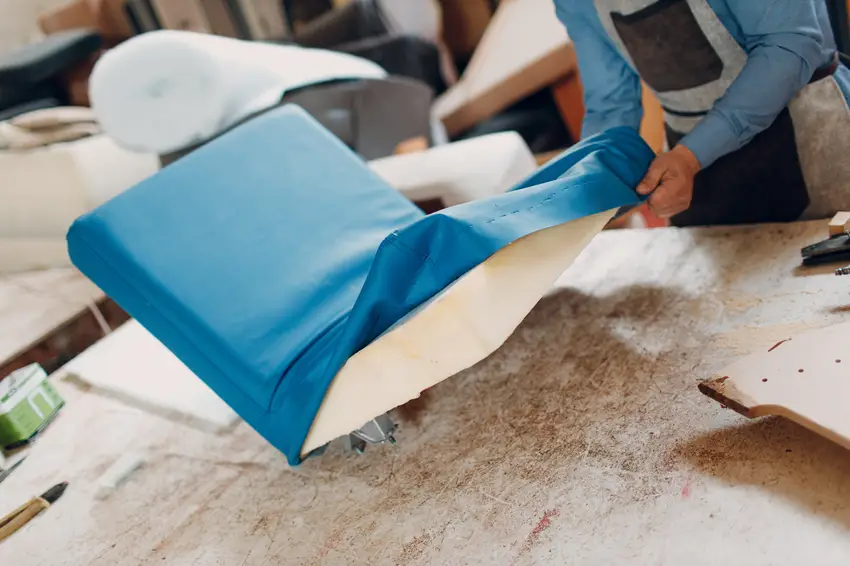
Upholsterers bring furniture and vehicle interiors to life by creating, repairing, and replacing fabric coverings and padding. They work with their hands using both traditional tools and modern power equipment to remove old materials, cut new fabrics following patterns, and carefully install everything from foam padding to decorative trim. This skilled trade combines creativity with technical precision, as upholsterers must understand different materials, read blueprints, and often create custom pieces that match clients' specific needs. Many upholsterers today work in collaborative shop environments or even start their own businesses, blending traditional craftsmanship with contemporary design trends.
Did you know?
Upholstery work involves repetitive motions, heavy lifting, and exposure to chemicals and dust, requiring attention to ergonomics and safety practices.
At a glance
Typical average pay
$44,700 Avg/yr
Growth
Stable
Top skill
Critical Thinking
Things to consider
Market Competition and Specialization
While mass-produced furniture creates competition, opportunities exist in custom upholstery, antique restoration, and high-end residential or commercial markets.
Skill Development and Training
Success requires developing both technical craftsmanship skills and business acumen, often through apprenticeships, vocational programs, or on-the-job training.
Key responsibilities
Read work orders, and apply knowledge and experience with materials to determine types and amounts of materials required to cover workpieces.
Attach fasteners, grommets, buttons, buckles, ornamental trim, and other accessories to covers or frames, using hand tools.
Draw cutting lines on material following patterns, templates, sketches, or blueprints, using chalk, pencils, paint, or other methods.
Sew rips or tears in material, or create tufting, using needles and thread.
Pick up and deliver furniture.