
Veterinarians

Overview

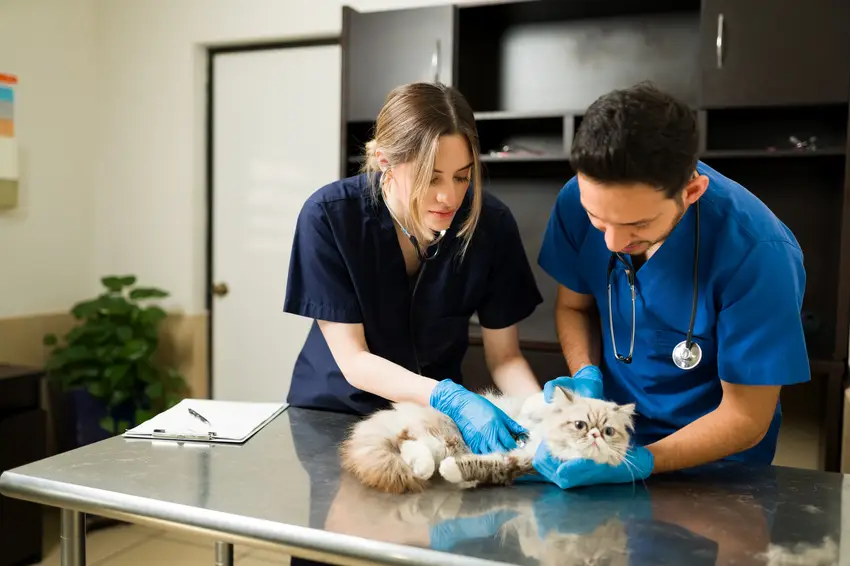
Veterinarians are animal doctors who keep pets, farm animals, and wildlife healthy by diagnosing illnesses, performing surgeries, and treating injuries. They use modern medical equipment like digital x-ray machines and ultrasound devices to examine animals, prescribe medications, and give vaccinations to prevent diseases. This career requires strong science skills, compassion for animals, and excellent communication to work with pet owners and other veterinary team members. Most veterinarians complete a 4-year veterinary degree after college and can work in private clinics, animal hospitals, research facilities, or even zoos.
Veterinarians

Did you know?

Veterinary school admission is highly competitive in the US, requiring a bachelor's degree, specific prerequisites, and typically 4 years of doctoral study.

At a Glance

Median Wage

$118,465.42 Avg/yr

Growth

Fast Growing

Top Skill

Instructing

Key Responsibilities

  • Determine the effects of drug therapies, antibiotics, or new surgical techniques by testing them on animals.
  • Collect body tissue, feces, blood, urine, or other body fluids for examination and analysis.
  • Inoculate animals against various diseases, such as rabies or distemper.
  • Direct the overall operations of animal hospitals, clinics, or mobile services to farms.
  • Attend lectures, conferences, or continuing education courses.
  • Provide care to a wide range of animals or specialize in a particular species, such as horses or exotic birds.
  • Treat sick or injured animals by prescribing medication, setting bones, dressing wounds, or performing surgery.
  • Examine animals to detect and determine the nature of diseases or injuries.
  • Operate diagnostic equipment, such as radiographic or ultrasound equipment, and interpret the resulting images.
  • Euthanize animals.
  • Advise animal owners regarding sanitary measures, feeding, general care, medical conditions, or treatment options.
  • Perform administrative or business management tasks, such as scheduling appointments, accepting payments from clients, budgeting, or maintaining business records.
  • Conduct postmortem studies and analyses to determine the causes of animals' deaths.
  • Inspect and test horses, sheep, poultry, or other animals to detect the presence of communicable diseases.
  • Research diseases to which animals could be susceptible.
  • Counsel clients about the deaths of their pets or about euthanasia decisions for their pets.
  • Establish or conduct quarantine or testing procedures that prevent the spread of diseases to other animals or to humans and that comply with applicable government regulations.
  • Plan or execute animal nutrition or reproduction programs.
  • Train or supervise workers who handle or care for animals.
  • Educate the public about diseases that can be spread from animals to humans.
  • Specialize in a particular type of treatment, such as dentistry, pathology, nutrition, surgery, microbiology, or internal medicine.

Career Considerations

Rigorous Educational Requirements

Veterinary school admission is highly competitive in the US, requiring a bachelor's degree, specific prerequisites, and typically 4 years of doctoral study.

Emotional Resilience

Veterinarians must cope with animal suffering, difficult client conversations, and performing euthanasia, which can lead to high stress and burnout rates.

Financial Planning

High veterinary school debt (often exceeding $150,000) combined with variable starting salaries requires careful financial management early in career.

Want to dig deeper?

Talk to blinky to learn more.

Start chatting
BETA
New York

25 Kent Ave, Suite 401
Brooklyn, NY
11249


North Carolina

204 N Person
Street. Raleigh, NC
27601

Australia

Level 4/80
Wentworth Ave,
Surry Hills,
Sydney, 2010