Veterinary Assistants
Overview
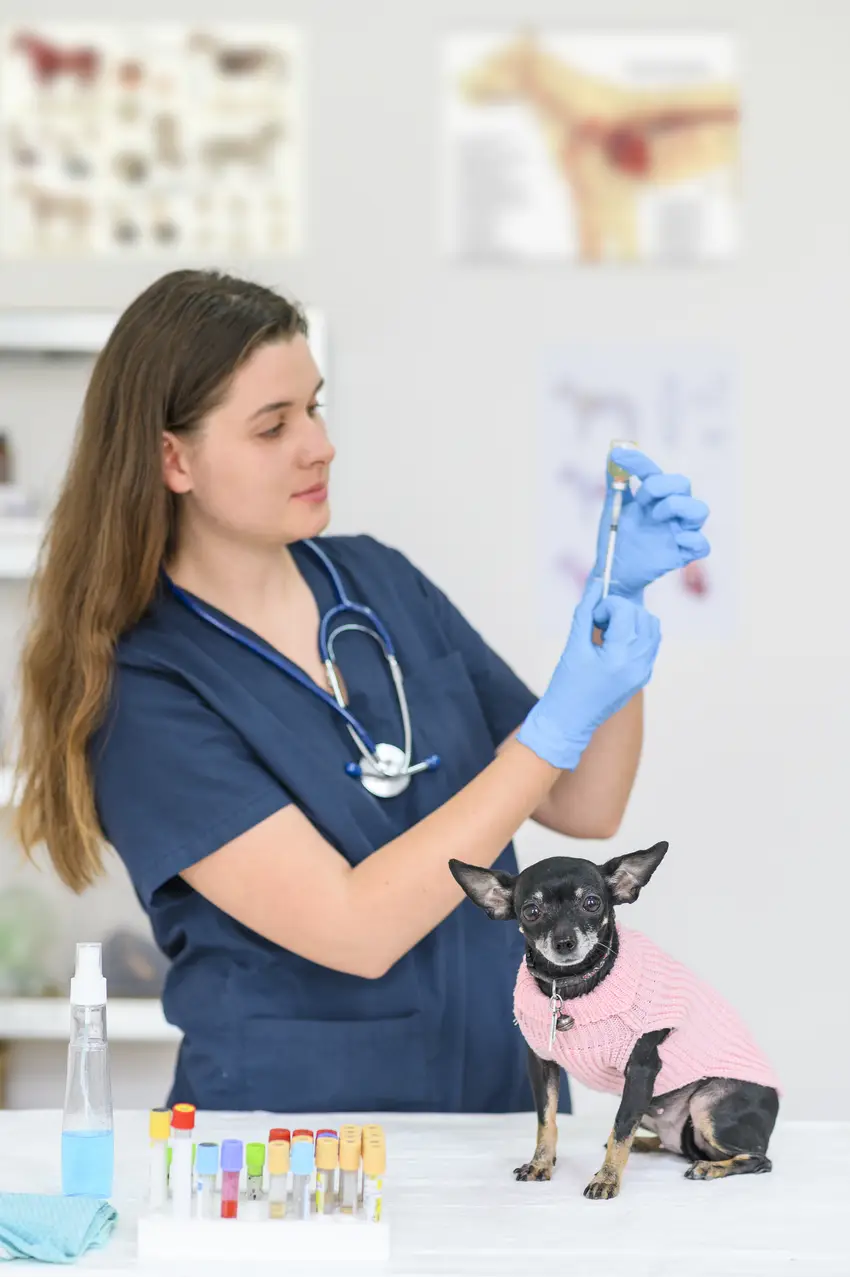
Veterinary assistants work alongside veterinarians to care for animals in clinics, hospitals, and research facilities. You'll feed, bathe, and exercise animals while also helping with medical procedures like administering medications, collecting samples, and assisting during surgeries. The job involves using modern veterinary equipment and technology to monitor animal health and maintain clean, safe environments. Many veterinary assistants start with a high school diploma and complete on-the-job training or certificate programs, often working in collaborative teams that value compassion and attention to detail.
Did you know?
Many states require completion of accredited veterinary assistant programs or on-the-job training with certification, which varies significantly across different states.
At a Glance
Median Wage
$36,893.14 Avg/yr
Growth
Fast Growing
Top Skill
Instructing
Key Responsibilities
- Hold or restrain animals during veterinary procedures.
- Examine animals to detect behavioral changes or clinical symptoms that could indicate illness or injury.
- Provide emergency first aid to sick or injured animals.
- Perform enemas, catheterizations, ear flushes, intravenous feedings, or gavages.
- Clean and maintain kennels, animal holding areas, examination or operating rooms, or animal loading or unloading facilities to control the spread of disease.
- Administer anesthetics during surgery and monitor the effects on animals.
- Perform office reception duties, such as scheduling appointments or helping customers.
- Groom, trim, or clip animals' coats.
- Assist veterinarians in examining animals to determine the nature of illnesses or injuries.
- Write reports, maintain research information, or perform clerical duties.
- Record information relating to animal genealogy, feeding schedules, appearance, behavior, or breeding.
- Fill medication prescriptions.
- Educate or advise clients on animal health care, nutrition, or behavior problems.
- Perform hygiene-related duties, such as clipping animals' claws or cleaning and polishing teeth.
- Prepare feed for animals according to specific instructions, such as diet lists or schedules.
- Clean, maintain, and sterilize instruments or equipment.
- Perform accounting duties, such as bookkeeping, billing customers for services, or maintaining inventories.
- Dust, spray, or bathe animals to control insect pests.
- Sell pet food or supplies to customers.
- Prepare surgical equipment and pass instruments or materials to veterinarians during surgical procedures.
- Monitor animals recovering from surgery and notify veterinarians of any unusual changes or symptoms.
- Provide assistance with euthanasia of animals or disposal of corpses.
- Administer medication, immunizations, or blood plasma to animals as prescribed by veterinarians.
- Prepare examination or treatment rooms by stocking them with appropriate supplies.
- Exercise animals or provide them with companionship.
- Collect laboratory specimens, such as blood, urine, or feces, for testing.
- Perform routine laboratory tests or diagnostic tests, such as taking or developing x-rays.
- Place orders to restock inventory of hospital or laboratory supplies.
Career Considerations
State Certification Requirements
Many states require completion of accredited veterinary assistant programs or on-the-job training with certification, which varies significantly across different states.
Emotional Resilience
The role requires strong emotional stability to handle animal suffering, euthanasia procedures, and dealing with distressed pet owners on a regular basis.
Career Advancement Opportunities
While entry-level positions offer modest salaries ($25,000-$35,000), there are clear pathways to veterinary technician roles or specialized animal care positions with higher earning potential.