
Wastewater Technicians

Overview

Wastewater technicians keep our communities clean and healthy by maintaining and repairing sewer systems and septic tanks. They use high-tech equipment like power rodders and water jets to clear blockages, fix underground pipes, and ensure waste systems work properly. This hands-on job requires technical training and problem-solving skills, with technicians working as part of a team using digital communication tools and specialized machinery. It's essential work that offers stable employment and opportunities to learn valuable technical skills.
Wastewater Technicians

Did you know?

This role involves working in confined spaces with exposure to hazardous gases and materials, requiring strict adherence to OSHA safety protocols and physical fitness.

At a Glance

Median Wage

$48,692.86 Avg/yr

Growth

Fast Growing

Top Skill

Complex Problem Solving

Key Responsibilities

  • Cover repaired pipes with dirt, and pack backfilled excavations, using air and gasoline tampers.
  • Prepare and keep records of actions taken, including maintenance and repair work.
  • Update sewer maps and manhole charts.
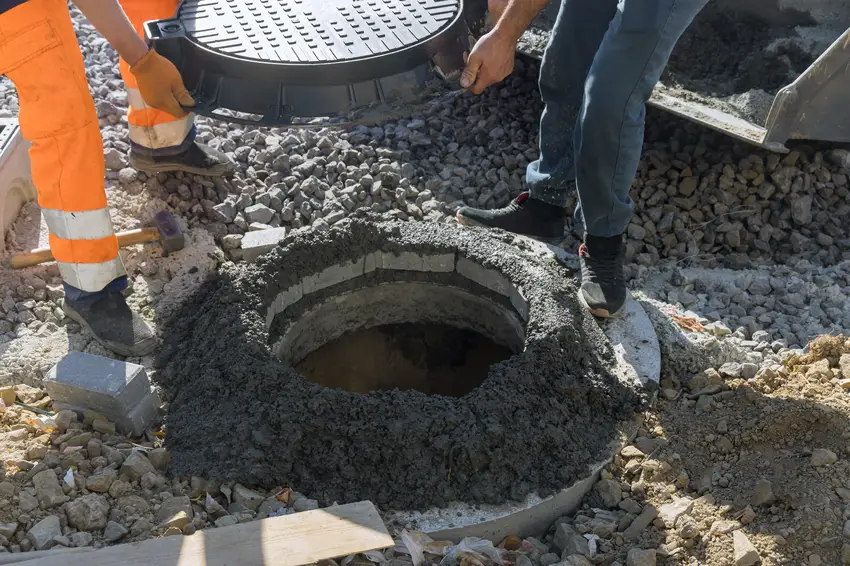
  • Inspect manholes to locate sewer line stoppages.
  • Dig out sewer lines manually, using shovels.
  • Drive trucks to transport crews, materials, and equipment.
  • Install rotary knives on flexible cables mounted on machine reels, according to the diameters of pipes to be cleaned.
  • Locate problems, using specially designed equipment, and mark where digging must occur to reach damaged tanks or pipes.
  • Start machines to feed revolving cables or rods into openings, stopping machines and changing knives to conform to pipe sizes.
  • Clean and repair septic tanks, sewer lines, or related structures such as manholes, culverts, and catch basins.
  • Rotate cleaning rods manually, using turning pins.
  • Withdraw cables from pipes and examine them for evidence of mud, roots, grease, and other deposits indicating broken or clogged sewer lines.
  • Ensure that repaired sewer line joints are tightly sealed before backfilling begins.
  • Clean and disinfect domestic basements and other areas flooded by sewer stoppages.
  • Operate sewer cleaning equipment, including power rodders, high-velocity water jets, sewer flushers, bucket machines, wayne balls, and vac-alls.
  • Communicate with supervisors and other workers, using equipment such as wireless phones, pagers, or radio telephones.
  • Break asphalt and other pavement so that pipes can be accessed, using airhammers, picks, and shovels.
  • Requisition or order tools and equipment.
  • Tap mainline sewers to install sewer saddles.
  • Service, adjust, and make minor repairs to equipment, machines, and attachments.
  • Measure excavation sites, using plumbers' snakes, tapelines, or lengths of cutting heads within sewers, and mark areas for digging.
  • Cut damaged sections of pipe with cutters, remove broken sections from ditches, and replace pipe sections, using pipe sleeves.

Career Considerations

Safety and Physical Demands

This role involves working in confined spaces with exposure to hazardous gases and materials, requiring strict adherence to OSHA safety protocols and physical fitness.

Certification and Training Requirements

Most American municipalities require completion of wastewater treatment certification programs and ongoing training to meet state and federal regulatory standards.

Public Sector Job Security

Employment is typically through municipal governments offering stable employment with comprehensive benefits packages, though advancement may be limited by civil service structures.

Want to dig deeper?

Talk to blinky to learn more.

Start chatting
BETA
New York

25 Kent Ave, Suite 401
Brooklyn, NY
11249


North Carolina

204 N Person
Street. Raleigh, NC
27601

Australia

Level 4/80
Wentworth Ave,
Surry Hills,
Sydney, 2010