Watch and Clock Repairers
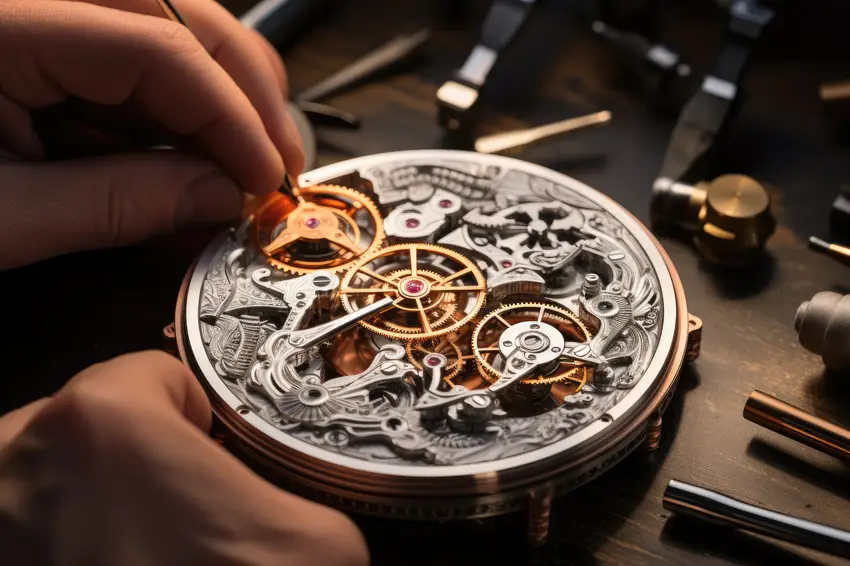
Watch and clock repairers fix and maintain all types of timepieces, from vintage grandfather clocks to modern smartwatches. They use precision tools like ultrasonic cleaning machines, electronic testing equipment, and small lathes to disassemble, clean, repair, and reassemble delicate mechanisms. This job requires excellent hand-eye coordination, attention to detail, and problem-solving skills as you diagnose issues, estimate repair costs, and sometimes fabricate custom parts. Many repairers work in small shops or as independent craftspeople, combining traditional craftsmanship with modern technology.
Did you know?
Most American employers require completion of formal watchmaking programs or apprenticeships, as this field demands precise technical skills that are typically acquired through specialized education rather than on-the-job training.
At a glance
Typical average pay
$61,100 Avg/yr
Growth
Stable
Top skill
Repairing
Things to consider
Niche Market Demand
The American watch repair market is divided between high-end luxury timepiece servicing and mass market repairs, with career prospects often depending on specialization in either traditional mechanical or modern digital watch technologies.
Technology Adaptation
Modern American watch technicians must adapt to servicing both traditional mechanical timepieces and increasingly popular smartwatches, requiring continuous learning to stay current with evolving technology.
Key responsibilities
Demagnetize mechanisms, using demagnetizing machines.
Fabricate parts for watches and clocks, using small lathes and other machines.
Disassemble timepieces and inspect them for defective, worn, misaligned, or rusty parts, using loupes.
Test timepiece accuracy and performance, using meters and other electronic instruments.
Repair or replace broken, damaged, or worn parts on timepieces, using lathes, drill presses, and hand tools.