
Water and Wastewater Engineers

Overview

Water and Wastewater Engineers design and manage systems that bring clean drinking water to homes and businesses and safely remove and treat dirty water and sewage. They use tools like hydraulic modeling software, 3D simulation programs, and computer-aided design (CAD) to plan treatment plants, pumping stations, pipelines, and flood-control structures such as dams and storm drains. They also lead teams, review project plans for safety and environmental impact, and make cost and design decisions that help protect communities from pollution and flooding.
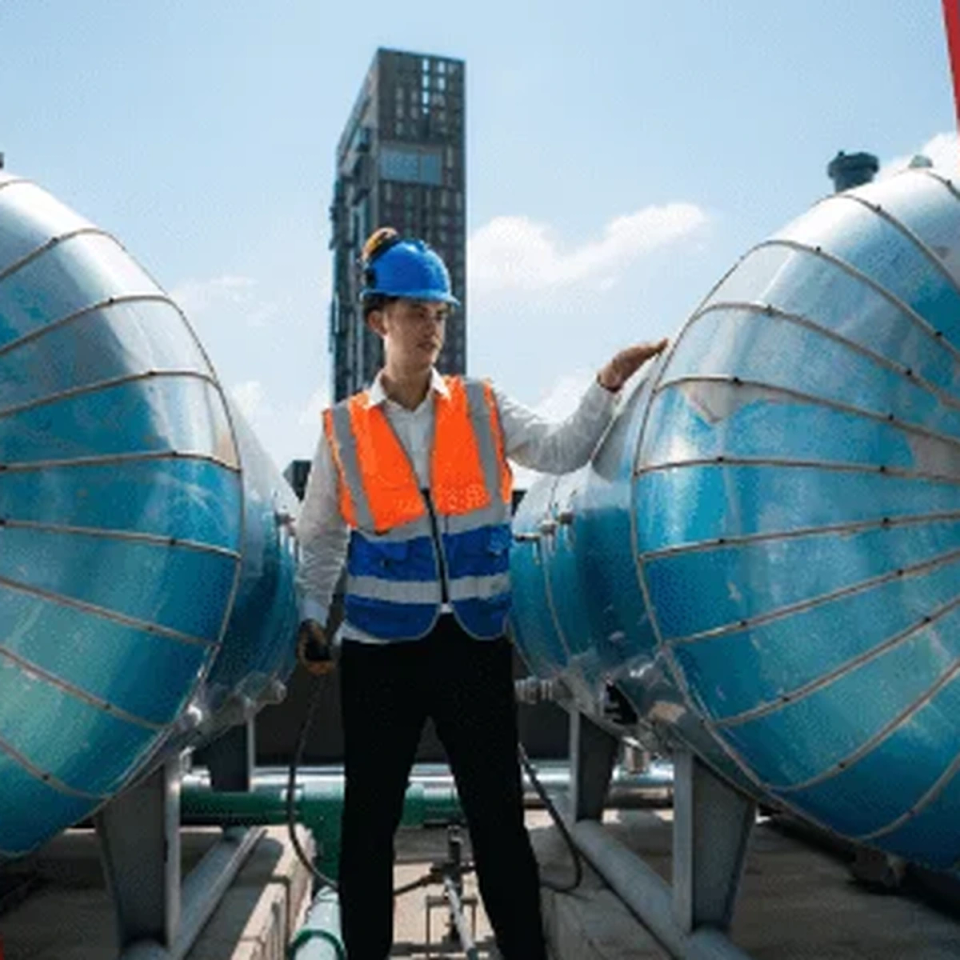
Water and Wastewater Engineers

Did you know?

Obtaining a Professional Engineer (PE) license is essential for career advancement and the ability to approve engineering plans and take legal responsibility for projects.

At a Glance

Growth

Stable

Top Skill

Technology Design

Key Responsibilities

  • Design domestic or industrial water or wastewater treatment plants, including advanced facilities with sequencing batch reactors (SBR), membranes, lift stations, headworks, surge overflow basins, ultraviolet disinfection systems, aerobic digesters, sludge lagoons, or control buildings.
  • Conduct feasibility studies for the construction of facilities, such as water supply systems, runoff collection networks, water and wastewater treatment plants, or wastewater collection systems.
  • Perform mathematical modeling of underground or surface water resources, such as floodplains, ocean coastlines, streams, rivers, or wetlands.
  • Gather and analyze water use data to forecast water demand.
  • Provide technical direction or supervision to junior engineers, engineering or computer-aided design (CAD) technicians, or other technical personnel.
  • Design pumping systems, pumping stations, pipelines, force mains, or sewers for the collection of wastewater.
  • Design water runoff collection networks, water supply channels, or water supply system networks.
  • Analyze the efficiency of water delivery structures, such as dams, tainter gates, canals, pipes, penstocks, or cofferdams.
  • Provide technical support on water resource or treatment issues to government agencies.
  • Review and critique proposals, plans, or designs related to water or wastewater treatment systems.
  • Design sludge treatment plants.
  • Analyze and recommend chemical, biological, or other wastewater treatment methods to prepare water for industrial or domestic use.
  • Identify design alternatives for the development of new water resources.
  • Design water or wastewater lift stations, including water wells.
  • Design or select equipment for use in wastewater processing to ensure compliance with government standards.
  • Analyze and recommend sludge treatment or disposal methods.
  • Conduct water quality studies to identify and characterize water pollutant sources.
  • Conduct environmental impact studies related to water and wastewater collection, treatment, or distribution.
  • Oversee the construction of decentralized or on-site wastewater treatment systems, including reclaimed water facilities.
  • Develop plans for new water resources or water efficiency programs.
  • Perform hydrological analyses, using three-dimensional simulation software, to model the movement of water or forecast the dispersion of chemical pollutants in the water supply.
  • Design water storage tanks or other water storage facilities.
  • Write technical reports or publications related to water resources development or water use efficiency.
  • Evaluate the operation and maintenance of water or wastewater systems to identify ways to improve their efficiency.
  • Design water distribution systems for potable or non-potable water.
  • Analyze storm water or floodplain drainage systems to control erosion, stabilize river banks, repair channel streams, or design bridges.
  • Conduct cost-benefit analyses for the construction of water supply systems, runoff collection networks, water and wastewater treatment plants, or wastewater collection systems.
  • Perform hydraulic analyses of water supply systems or water distribution networks to model flow characteristics, test for pressure losses, or to identify opportunities to mitigate risks and improve operational efficiency.

Career Considerations

Professional Engineering License Requirements

Obtaining a Professional Engineer (PE) license is essential for career advancement and the ability to approve engineering plans and take legal responsibility for projects.

Environmental Regulatory Compliance

Staying current with EPA regulations and state-specific water quality standards is crucial as non-compliance can result in significant legal and financial consequences.

Aging Infrastructure Opportunities

The widespread need to modernize America's aging water and wastewater systems creates substantial job opportunities but requires expertise in both legacy and modern technologies.

Want to dig deeper?

Talk to blinky to learn more.

Start chatting
BETA
New York

25 Kent Ave, Suite 401
Brooklyn, NY
11249


North Carolina

204 N Person
Street. Raleigh, NC
27601

Australia

Level 4/80
Wentworth Ave,
Surry Hills,
Sydney, 2010