Water Resource Specialists
Overview
Water Resource Specialists plan and manage how communities use, protect, and clean their water supplies, from drinking water to rivers and wetlands. They analyze data from tools like water quality sensors, lab tests, and GIS mapping software to track water use, pollution sources, and flood risks, then design strategies and rules to keep water safe and available. In leadership roles, they guide teams, advise government agencies, and help make big decisions about projects such as stormwater systems, flood control structures, and watershed restoration plans.
Did you know?
Water resource specialists often need to relocate to areas with specific water challenges, such as drought-prone western states or flood-prone regions.
At a Glance
Growth
Stable
Top Skill
Management of Material Resources
Key Responsibilities
- Monitor water use, demand, or quality in a particular geographic area.
- Develop strategies for watershed operations to meet water supply and conservation goals or to ensure regulatory compliance with clean water laws or regulations.
- Conduct technical studies for water resources on topics such as pollutants and water treatment options.
- Recommend new or revised policies, procedures, or regulations to support water resource or conservation goals.
- Develop or implement standardized water monitoring and assessment methods.
- Write proposals, project reports, informational brochures, or other documents on wastewater purification, water supply and demand, or other water resource subjects.
- Compile water resource data, using geographic information systems (GIS) or global position systems (GPS) software.
- Identify methods for distributing purified wastewater into rivers, streams, or oceans.
- Analyze storm water systems to identify opportunities for water resource improvements.
- Identify and characterize specific causes or sources of water pollution.
- Perform hydrologic, hydraulic, or water quality modeling.
- Review or evaluate designs for water detention facilities, storm drains, flood control facilities, or other hydraulic structures.
- Conduct, or oversee the conduct of, investigations on matters such as water storage, wastewater discharge, pollutants, permits, or other compliance and regulatory issues.
- Present water resource proposals to government, public interest groups, or community groups.
- Develop plans to protect watershed health or rehabilitate watersheds.
- Supervise teams of workers who capture water from wells and rivers.
- Provide technical expertise to assist communities in the development or implementation of storm water monitoring or other water programs.
- Conduct cost-benefit studies for watershed improvement projects or water management alternatives.
- Compile and maintain documentation on the health of a body of water.
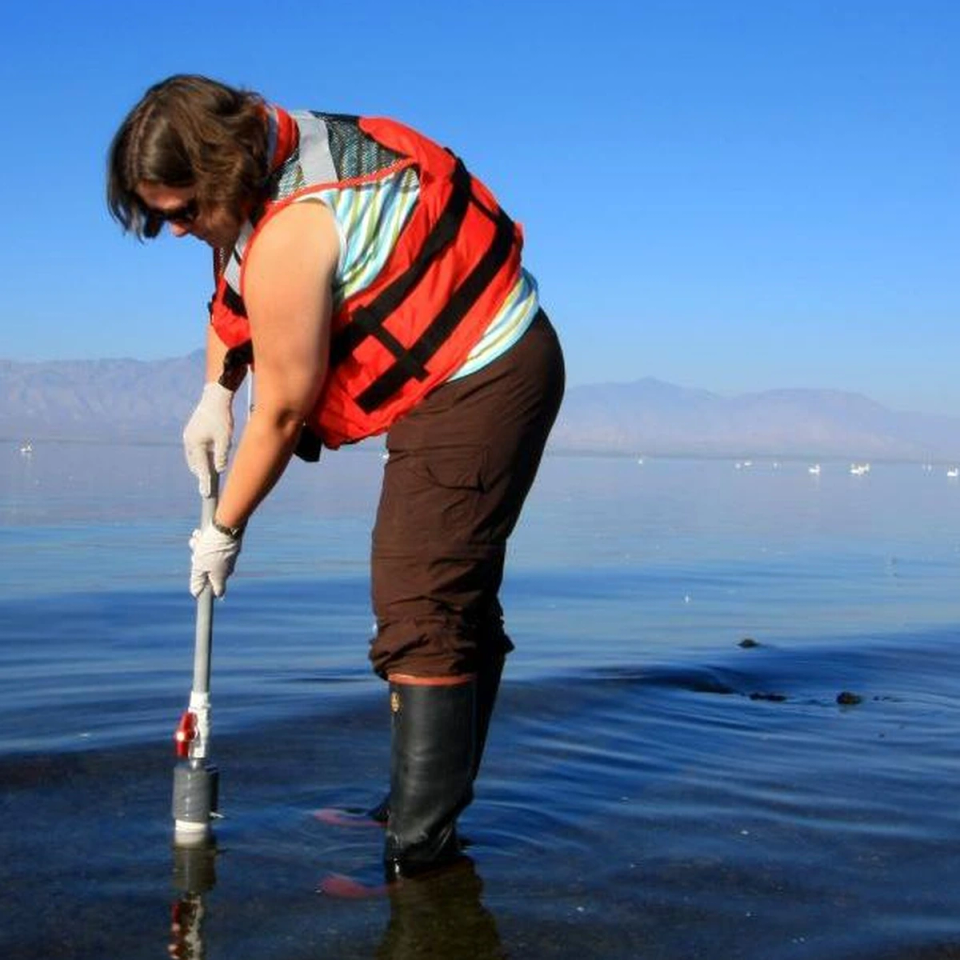
- Conduct, or oversee the conduct of, chemical, physical, and biological water quality monitoring or sampling to ensure compliance with water quality standards.
- Negotiate for water rights with communities or water facilities to meet water supply demands.
Career Considerations
Geographic Mobility Requirements
Water resource specialists often need to relocate to areas with specific water challenges, such as drought-prone western states or flood-prone regions.
Educational and Certification Requirements
Most positions require a bachelor's degree in environmental science, hydrology, or related field, with many employers preferring professional engineering licenses or certifications.
Growing Market Demand
The field is experiencing increased demand due to aging water infrastructure, climate change impacts, and stricter environmental regulations across the United States.