
Weatherization Installers and Technicians

Overview

Weatherization Installers and Technicians make homes use less energy by sealing up places where air escapes and improving heating and cooling systems. They inspect houses with tools like blower door machines and furnace efficiency analyzers, then decide which upgrades will save the most energy, such as adding attic insulation, wrapping ducts and pipes, and installing storm windows or door sweeps. They also prepare cost estimates, explain energy-saving options to homeowners, and make sure their work follows building codes and energy regulations.
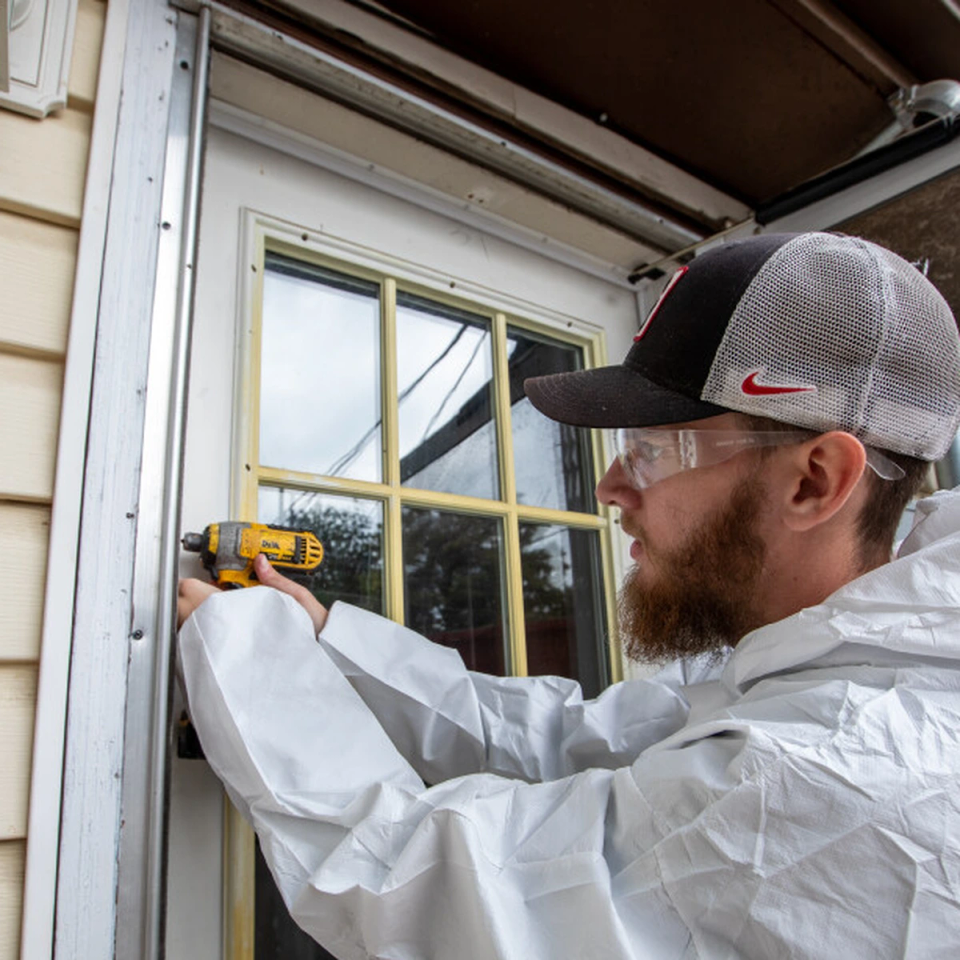
Weatherization Installers and Technicians

Did you know?

Most states require completion of weatherization training programs and certification through organizations like the Building Performance Institute (BPI) or Residential Energy Services Network (RESNET).

At a Glance

Growth

Stable

Top Skill

Science

Key Responsibilities

  • Apply spackling, compounding, or other materials to repair holes in walls.
  • Install storm windows or storm doors and verify proper fit.
  • Make minor repairs using basic hand or power tools and materials, such as glass, lumber, and drywall.
  • Prepare and apply weather-stripping, glazing, caulking, or door sweeps to reduce energy losses.
  • Prepare or assist in the preparation of bids, contracts, or written reports related to weatherization work.
  • Test combustible appliances, such as gas appliances.
  • Contact residents or building owners to schedule appointments.
  • Inspect buildings to identify required weatherization measures, including repair work, modification, or replacement.
  • Apply insulation materials, such as loose, blanket, board, and foam insulation to attics, crawl spaces, basements, or walls.
  • Explain recommendations, policies, procedures, requirements, or other related information to residents or building owners.
  • Test and diagnose air flow systems, using furnace efficiency analysis equipment.
  • Clean and maintain tools and equipment.
  • Wrap air ducts and water lines with insulating materials, such as duct wrap and pipe insulation.
  • Maintain activity logs, financial transaction logs, or other records of weatherization work performed.
  • Prepare cost estimates or specifications for rehabilitation or weatherization services.
  • Install and seal air ducts, combustion air openings, or ventilation openings to improve heating and cooling efficiency.
  • Wrap water heaters with water heater blankets.
  • Explain energy conservation measures, such as the use of low flow showerheads and energy-efficient lighting.
  • Recommend weatherization techniques to clients in accordance with needs and applicable energy regulations, codes, policies, or statutes.
  • Determine amount of air leakage in buildings, using a blower door machine.

Career Considerations

Certification and Training Requirements

Most states require completion of weatherization training programs and certification through organizations like the Building Performance Institute (BPI) or Residential Energy Services Network (RESNET).

Physical Job Demands

The role involves physically demanding work including crawling in tight spaces, working in attics and basements, and handling heavy materials in various weather conditions.

Growing Market Opportunities

Federal investments through the Infrastructure Investment and Jobs Act and state energy efficiency programs are driving significant job growth and career advancement opportunities in this field.

Want to dig deeper?

Talk to blinky to learn more.

Start chatting
BETA
New York

25 Kent Ave, Suite 401
Brooklyn, NY
11249


North Carolina

204 N Person
Street. Raleigh, NC
27601

Australia

Level 4/80
Wentworth Ave,
Surry Hills,
Sydney, 2010