
Welders

Overview

Welders use specialized equipment to join metal parts together, creating everything from building frameworks to automotive components. They read detailed blueprints, calculate precise measurements, and use both hand-held and computer-controlled welding tools to fuse metals according to exact specifications. This hands-on career requires strong attention to detail, problem-solving skills, and often involves working on exciting projects in industries like aerospace, construction, and manufacturing. Many welders start with vocational training or apprenticeships and can specialize in different welding techniques using advanced technology.
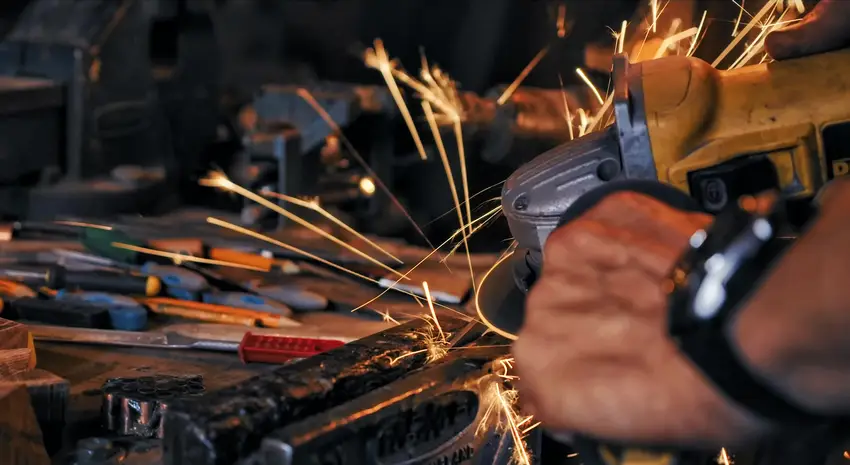
Welders

Did you know?

Metal fabrication requires significant physical strength, stamina, and strict adherence to safety protocols due to exposure to heavy machinery, hot metals, and potentially hazardous materials.

At a Glance

Median Wage

$54,689.02 Avg/yr

Growth

Stable

Top Skill

Science

Key Responsibilities

  • Examine workpieces for defects and measure workpieces with straightedges or templates to ensure conformance with specifications.
  • Weld components in flat, vertical, or overhead positions.
  • Use fire suppression methods in industrial emergencies.
  • Guide and direct flames or electrodes on or across workpieces to straighten, bend, melt, or build up metal.
  • Prepare all material surfaces to be welded, ensuring that there is no loose or thick scale, slag, rust, moisture, grease, or other foreign matter.
  • Melt and apply solder to fill holes, indentations, or seams of fabricated metal products, using soldering equipment.
  • Clean or degrease parts, using wire brushes, portable grinders, or chemical baths.
  • Determine required equipment and welding methods, applying knowledge of metallurgy, geometry, and welding techniques.
  • Connect and turn regulator valves to activate and adjust gas flow and pressure so that desired flames are obtained.
  • Select and install torches, torch tips, filler rods, and flux, according to welding chart specifications or types and thicknesses of metals.
  • Grind, cut, buff, or bend edges of workpieces to be joined to ensure snug fit, using power grinders and hand tools.
  • Hammer out bulges or bends in metal workpieces.
  • Weld separately or in combination, using aluminum, stainless steel, cast iron, and other alloys.
  • Analyze engineering drawings, blueprints, specifications, sketches, work orders, and material safety data sheets to plan layout, assembly, and operations.
  • Preheat workpieces prior to welding or bending, using torches or heating furnaces.
  • Monitor the fitting, burning, and welding processes to avoid overheating of parts or warping, shrinking, distortion, or expansion of material.
  • Align and clamp workpieces together, using rules, squares, or hand tools, or position items in fixtures, jigs, or vises.
  • Set up and use ladders and scaffolding as necessary to complete work.
  • Chip or grind off excess weld, slag, or spatter, using hand scrapers or power chippers, portable grinders, or arc-cutting equipment.
  • Operate metal shaping, straightening, and bending machines, such as brakes and shears.
  • Mark or tag material with proper job number, piece marks, and other identifying marks as required.
  • Melt and apply solder along adjoining edges of workpieces to solder joints, using soldering irons, gas torches, or electric-ultrasonic equipment.
  • Repair products by dismantling, straightening, reshaping, and reassembling parts, using cutting torches, straightening presses, and hand tools.
  • Detect faulty operation of equipment or defective materials and notify supervisors.
  • Operate safety equipment and use safe work habits.
  • Ignite torches or start power supplies and strike arcs by touching electrodes to metals being welded, completing electrical circuits.
  • Develop templates and models for welding projects, using mathematical calculations based on blueprint information.
  • Recognize, set up, and operate hand and power tools common to the welding trade, such as shielded metal arc and gas metal arc welding equipment.
  • Check grooves, angles, or gap allowances, using micrometers, calipers, and precision measuring instruments.
  • Position and secure workpieces, using hoists, cranes, wire, and banding machines or hand tools.

Career Considerations

Physical Demands and Safety Requirements

Metal fabrication requires significant physical strength, stamina, and strict adherence to safety protocols due to exposure to heavy machinery, hot metals, and potentially hazardous materials.

Technical Training and Certification

Most American employers prefer candidates with formal training through vocational schools, community colleges, or apprenticeship programs, often requiring welding certifications.

Industry Demand and Job Stability

The field offers steady employment opportunities in the US manufacturing sector, with particular demand in construction, automotive, and aerospace industries.

Want to dig deeper?

Talk to blinky to learn more.

Start chatting
BETA
New York

25 Kent Ave, Suite 401
Brooklyn, NY
11249


North Carolina

204 N Person
Street. Raleigh, NC
27601

Australia

Level 4/80
Wentworth Ave,
Surry Hills,
Sydney, 2010