Wellhead Pumping Operators
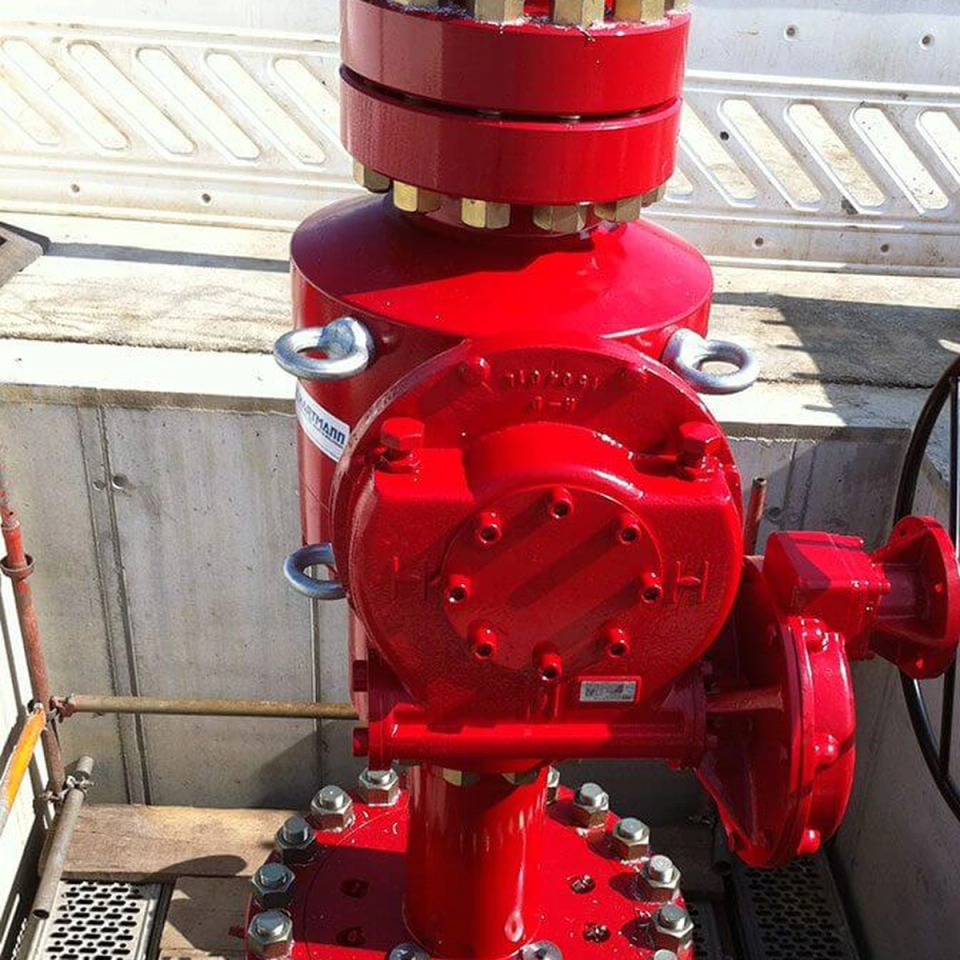
Wellhead Pumping Operators run powerful pumps and control systems that move oil and natural gas from underground wells to storage tanks and pipelines. They set up and connect pipes, hoses, and wellhead equipment, then watch gauges, control panels, and digital sensors to keep pressure, flow rate, and fluid mixtures within safe limits. They also troubleshoot leaks, repair meters and valves, mix specialized chemicals or cement for well jobs, and may lead small crews to carry out safe and efficient pumping operations according to a production schedule.
Did you know?
Wellhead pumpers work in challenging outdoor conditions with exposure to hazardous chemicals and heavy machinery, requiring strong physical fitness and strict adherence to safety protocols.
At a glance
Typical average pay
$61,600 Avg/yr
Growth
Stable
Top skill
Operations Monitoring
Things to consider
Industry Economic Volatility
Employment in this field is heavily influenced by fluctuating oil and gas prices, leading to potential job instability during market downturns.
Regulatory Compliance Requirements
Workers must maintain current knowledge of federal and state environmental and safety regulations, often requiring ongoing training and certification.
Key responsibilities
Repair gas and oil meters and gauges.
Monitor control panels during pumping operations to ensure that materials are being pumped at the correct pressure, density, rate, and concentration.
Change water filters.
Perform routine maintenance on vehicles and equipment.
Mix acids, chemicals, or dry cement as required for a specific job.