
Wholesale and Retail Merchandise Buyers

Overview

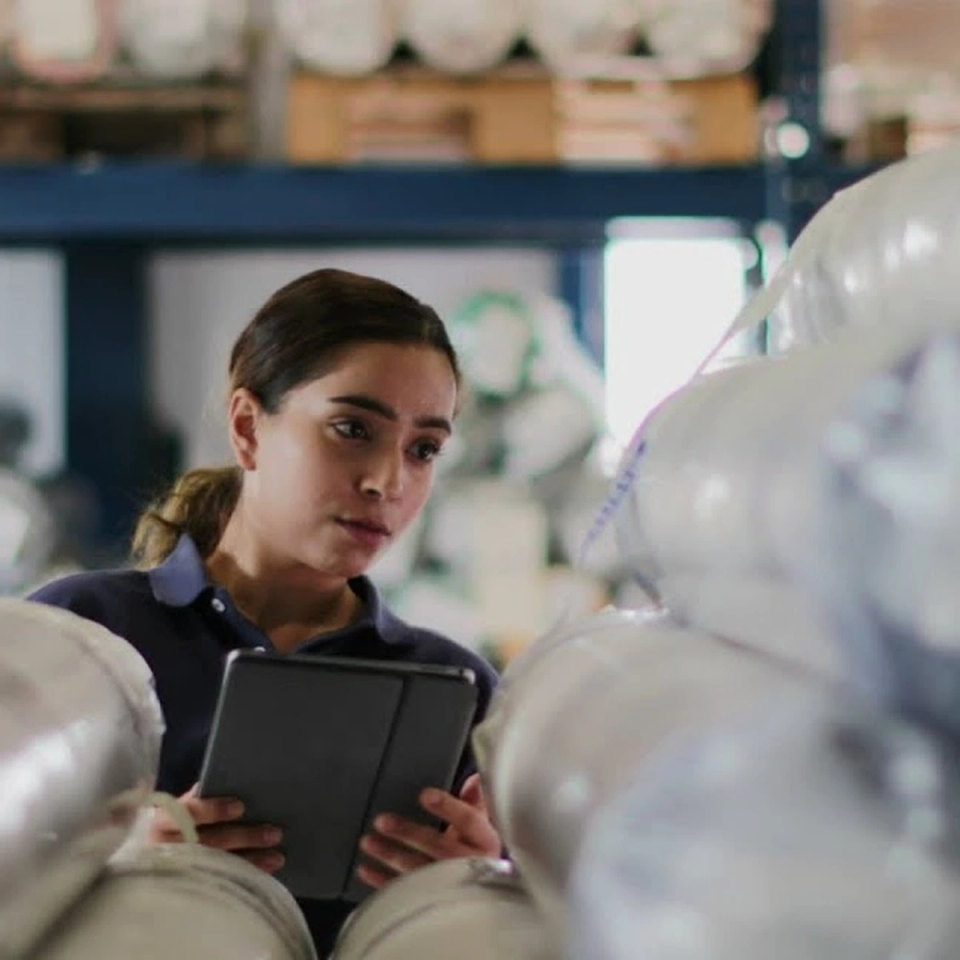
Wholesale and Retail Merchandise Buyers decide which products stores will sell, from sneakers and video games to eco-friendly cleaning supplies. They study sales data, customer trends, competitor ads, and product quality to choose items that will sell well and fit the store’s budget and brand. They negotiate prices and shipping with suppliers, plan when to launch new products or “green” items, and work with marketing and store managers to set prices, schedule ads, and train staff on new merchandise.
Wholesale and Retail Merchandise Buyers

Did you know?

Modern American buyers must master inventory management systems, predictive analytics, and market research tools to make data-driven purchasing decisions in competitive retail environments.

At a Glance

Growth

Stable

Top Skill

Operations Analysis

Key Responsibilities

  • Determine which products should be featured in advertising, the advertising medium to be used, or when the ads should be run.
  • Analyze environmental aspects of competing merchandise when making buying decisions.
  • Monitor consumer preferences or environmental trends to determine the best way to introduce new green products.
  • Monitor competitors' sales activities by following their advertisements in newspapers or other media.
  • Collaborate with vendors to obtain or develop desired products.
  • Develop strategies to advertise green products or merchandise to consumers.
  • Train or supervise sales or clerical staff.
  • Examine, select, order, or purchase merchandise consistent with quality, quantity, specification requirements, or other factors, such as environmental soundness.
  • Negotiate prices, discount terms, or transportation arrangements with suppliers.
  • Consult with store or merchandise managers about budgets or goods to be purchased.
  • Obtain information about customer needs or preferences by conferring with sales or purchasing personnel.
  • Inspect merchandise or products to determine quality, value, or yield.
  • Identify opportunities to buy green commodities, such as alternative energy, water, or carbon-neutral products for resale to consumers.
  • Conduct sales meetings to introduce new merchandise.
  • Buy merchandise or commodities for resale to wholesale or retail consumers.
  • Provide clerks with information to print on price tags, such as price, mark-ups or mark-downs, manufacturer number, season code, or style number.
  • Monitor and analyze sales records, trends, or economic conditions to anticipate consumer buying patterns, company sales, and needed inventory.
  • Authorize payment of invoices or return of merchandise.
  • Recommend mark-up rates, mark-down rates, or merchandise selling prices.
  • Compare transportation options to determine the most energy-efficient options.

Career Considerations

Technology and Data Analytics Proficiency

Modern American buyers must master inventory management systems, predictive analytics, and market research tools to make data-driven purchasing decisions in competitive retail environments.

Supply Chain Resilience and Diversification

Post-pandemic American markets require buyers to develop multiple supplier relationships and contingency plans to mitigate disruptions and ensure consistent product availability.

E-commerce and Omnichannel Integration

American buyers must understand both traditional retail and online marketplace dynamics to effectively purchase products that perform well across multiple sales channels.

Want to dig deeper?

Talk to blinky to learn more.

Start chatting
BETA
New York

25 Kent Ave, Suite 401
Brooklyn, NY
11249


North Carolina

204 N Person
Street. Raleigh, NC
27601

Australia

Level 4/80
Wentworth Ave,
Surry Hills,
Sydney, 2010