Wood Patternmakers
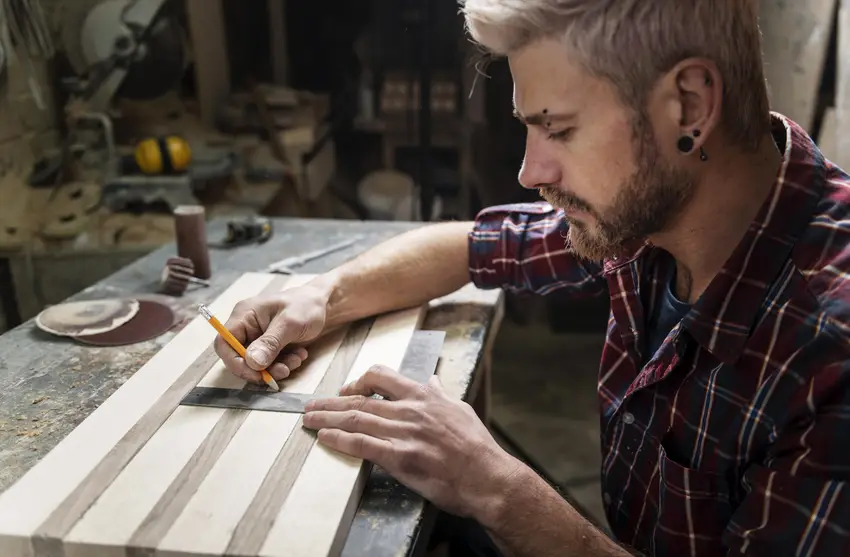
Wood patternmakers create precise wooden templates called patterns that are used to make molds for casting metal parts. You'll work with both traditional woodworking tools and modern CNC machines, adjusting settings, following blueprints, and ensuring each pattern meets exact specifications. This job combines hands-on craftsmanship with technical skills, requiring attention to detail and the ability to read technical drawings. Many patternmakers learn through apprenticeships or vocational training programs that teach both woodworking and machining skills.
Did you know?
Wood patternmakers typically need formal apprenticeships or vocational training programs to develop the precise woodworking and manufacturing skills required for this specialized trade.
At a glance
Typical average pay
$48,900 Avg/yr
Growth
Stable
Top skill
Reading Comprehension
Things to consider
Limited Job Market Opportunities
Employment opportunities are concentrated in specific manufacturing regions and foundries, with overall declining demand due to automation and overseas manufacturing competition.
Technology Integration Skills
Modern patternmakers must combine traditional woodworking craftsmanship with computer-aided design (CAD) software and CNC machining knowledge to remain competitive in today's manufacturing environment.
Key responsibilities
Correct patterns to compensate for defects in castings.
Maintain pattern records for reference.
Construct wooden models, templates, full scale mock-ups, jigs, or molds for shaping parts of products.
Inventory equipment and supplies, ordering parts and tools as necessary.
Trim, smooth, and shape surfaces, and plane, shave, file, scrape, and sand models to attain specified shapes, using hand tools.