Wood Sawing Machine Operator
Wood sawing machine operators set up and run specialized machines that cut wood into precise shapes and sizes for furniture, construction, and other products. You'll inspect wood quality, measure pieces for accuracy, guide materials through cutting processes, and maintain sharp blades and equipment. This hands-on job combines technical skills with attention to detail, and many operators learn through on-the-job training or vocational programs. Modern sawing operations often use computer-controlled machines and laser guides for incredible precision.
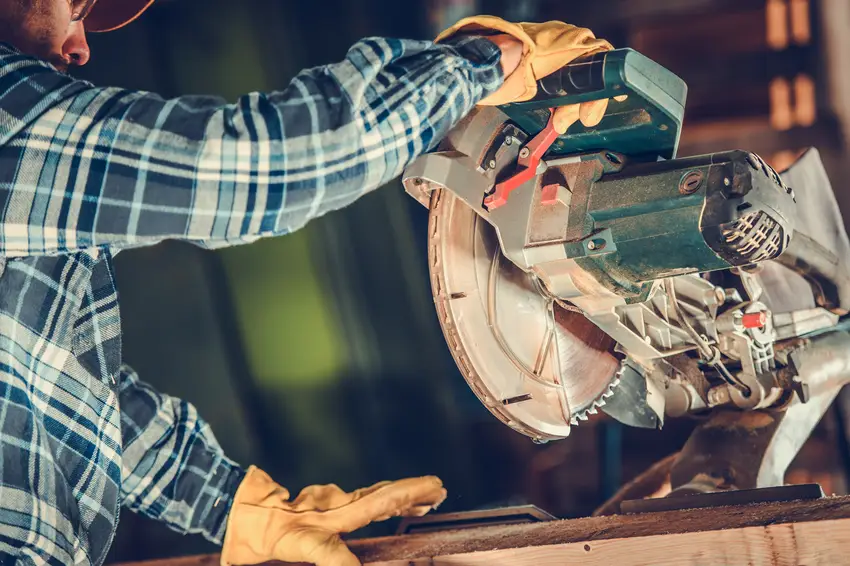
Did you know?
Workers must complete comprehensive safety training and adhere to strict OSHA regulations due to the high-risk nature of operating heavy sawing machinery and exposure to wood dust.
At a glance
Typical average pay
$41,300 Avg/yr
Growth
Stable
Top skill
Operations Monitoring
Things to consider
Technical Skills Development
Advancing in this field requires developing expertise in machine setup, maintenance, and potentially computer-controlled equipment through vocational training or apprenticeship programs.
Geographic Job Concentration
Employment opportunities are primarily concentrated in regions with strong lumber and wood manufacturing industries, particularly in the Pacific Northwest, Southeast, and Great Lakes states.
Key responsibilities
Trim lumber to straighten rough edges or remove defects, using circular saws.
Examine logs or lumber to plan the best cuts.
Select saw blades, types or grades of stock, or cutting procedures to be used, according to work orders or supervisors' instructions.
Adjust bolts, clamps, stops, guides, or table angles or heights, using hand tools.
Examine blueprints, drawings, work orders, or patterns to determine equipment set-up or selection details, procedures to be used, or dimensions of final products.