Zoologists and Wildlife Biologists
Zoologists and wildlife biologists study animals in their natural habitats and in captivity to understand how they behave, reproduce, and interact with their environment. They use modern technology like GPS tracking, camera traps, and genetic analysis tools to collect data on animal populations and study how human activities affect wildlife. This career involves both exciting fieldwork in diverse ecosystems and laboratory research, requiring strong skills in biology, data analysis, and conservation science. Many professionals in this field collaborate with government agencies, conservation organizations, and research institutions to develop programs that protect endangered species and manage wildlife populations.
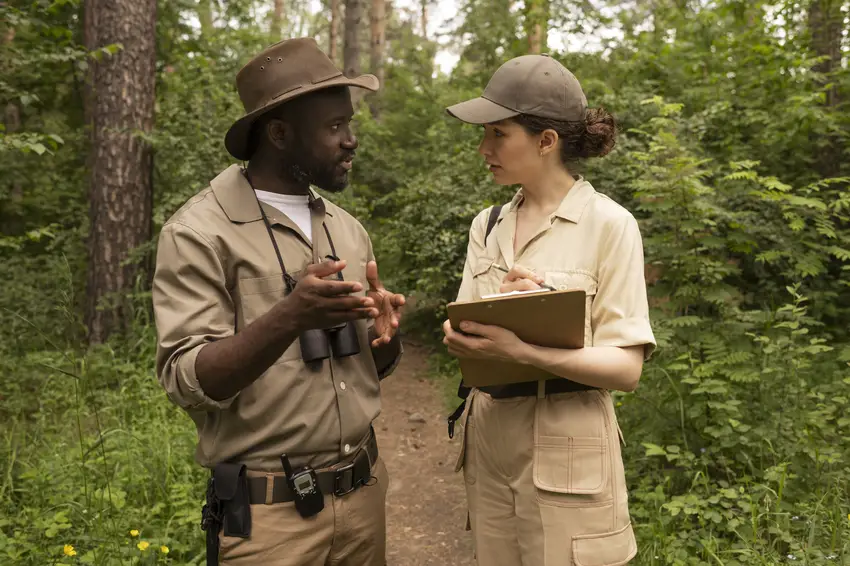
Did you know?
Most positions require a bachelor's degree in biology, ecology, environmental science, or related field, with many employers preferring advanced degrees and specialized certifications in wildlife management.
At a glance
Typical average pay
$71,200 Avg/yr
Growth
Stable
Top skill
Critical Thinking
Things to consider
Funding Dependency and Job Security
Career stability often depends on government budgets, grant funding, and non-profit donations, making positions vulnerable to political changes and economic fluctuations.
Geographic Mobility and Remote Work Locations
The role frequently requires working in remote wilderness areas, national parks, or research stations, often necessitating relocation and extended periods away from urban centers.
Key responsibilities
Develop, or make recommendations on, management systems and plans for wildlife populations and habitat, consulting with stakeholders and the public at large to explore options.
Perform administrative duties, such as fundraising, public relations, budgeting, and supervision of zoo staff.
Study characteristics of animals, such as origin, interrelationships, classification, life histories, diseases, development, genetics, and distribution.
Inform and respond to public regarding wildlife and conservation issues, such as plant identification, hunting ordinances, and nuisance wildlife.
Check for, and ensure compliance with, environmental laws, and notify law enforcement when violations are identified.